
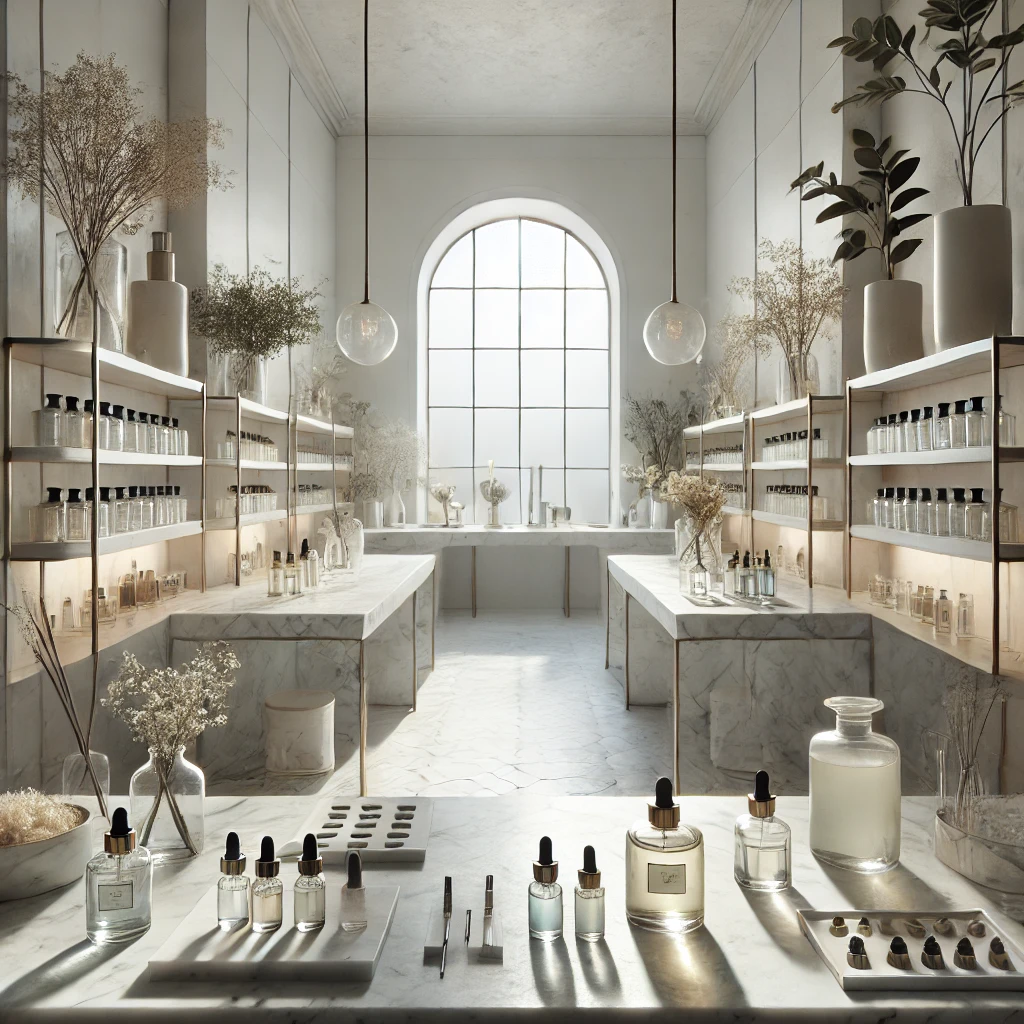
In a world saturated with mass-produced fragrances, the concept of the perfume atelier stands apart—quiet, intimate, refined, and deeply artistic. A perfume atelier is more than just a workspace for scent creation; it is a sanctuary where craftsmanship, emotion, memory, and mastery converge. Rooted in centuries-old traditions, yet brimming with modern innovation, ateliers represent the purest form of perfumery—where scents are not just sold but sculpted.
As niche fragrances continue to rise in popularity and consumers seek individuality, perfume ateliers are experiencing a rebirth. Their bespoke approach, artisanal processes, and dedication to authenticity make them a cornerstone of luxury fragrance culture. This article dives into what a perfume atelier truly is, how it operates, why it matters, and what it means for the future of fragrance.
What Is a Perfume Atelier?
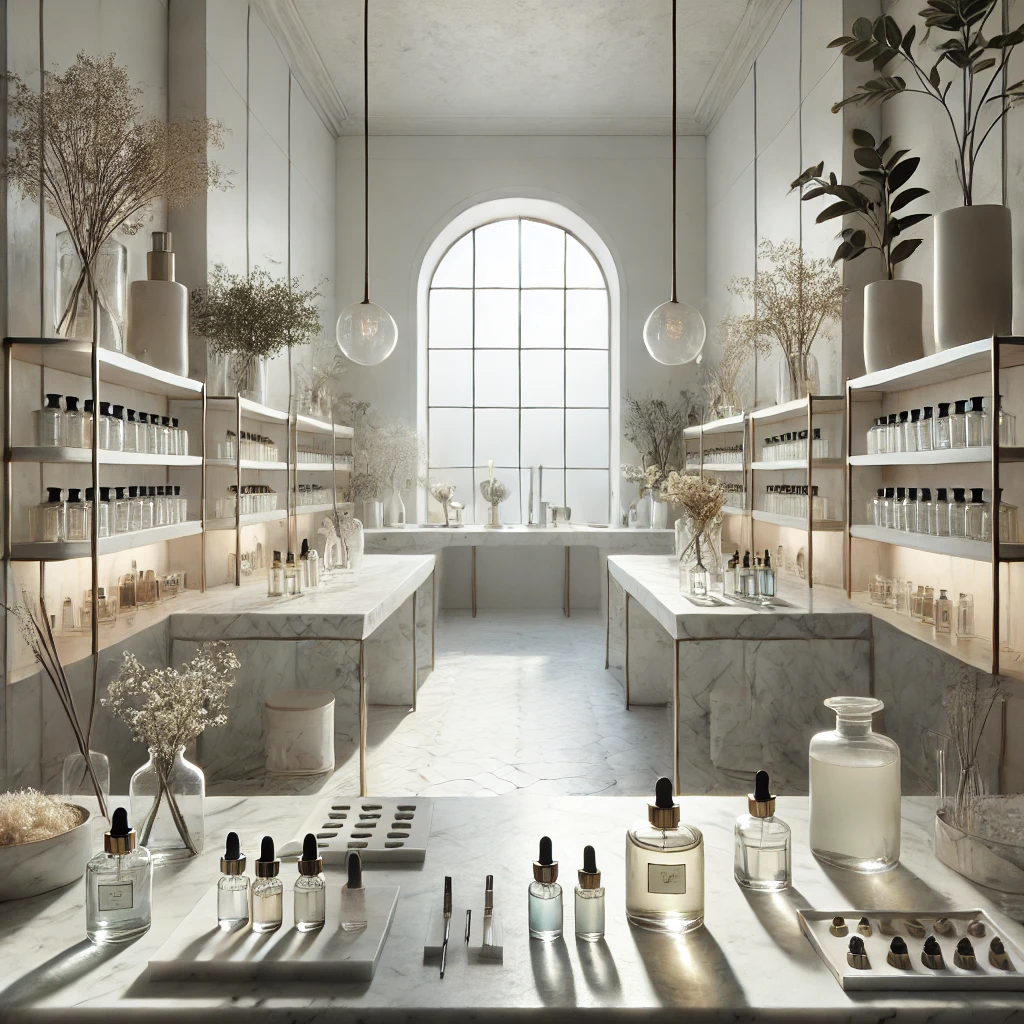
A perfume atelier is a creative studio or workshop where perfumers—often called noses—design, blend, refine, and craft fragrances from raw materials. Unlike large manufacturing facilities, an atelier is often small, specialized, and focused on quality rather than quantity. It may be run by a single master perfumer or a small team dedicated to the art of scent creation.
Key features of a perfume atelier include:
- Artisanal production methods
- Curated raw ingredients
- A strong creative philosophy
- Emphasis on unique, customized, or limited-edition fragrances
- Scent experimentation and olfactory research
Ateliers often produce bespoke perfumes, micro-batches, artistic blends, and signature fragrances that reflect the identity of the creator or the client.
The Heart of the Atelier: The Perfumer’s Craft
At the center of any atelier lies its perfumer—a highly trained artisan with a refined sense of smell and deep understanding of aromatic chemistry. Becoming a perfume artisan can take years, even decades, due to the complexity of learning thousands of raw materials and understanding how they interact.
Within the atelier, the perfumer works like:
- An artist, blending notes like colors on a canvas
- A chemist, analyzing how molecules react and evolve
- A storyteller, translating memories and concepts into scents
- A historian, respecting perfumery’s traditional roots
This combination of roles makes the perfumer’s craft one of the most intricate forms of artistic expression.
Inside a Perfume Atelier: How Fragrance is Born
Creating a perfume inside an atelier is an intimate process. It typically involves several steps, each requiring precision, creativity, and deep technical understanding.
1. Creative Briefing
Every fragrance begins with a concept—an emotion, a memory, a landscape, or even a single word. The perfumer works with a client or develops their own creative direction.
Common inspirations include:
- A childhood moment
- A city or natural environment
- A romantic memory
- A cultural experience
- A specific ingredient, like oud or rose
The creative brief acts as the compass that guides the rest of the process.
2. Raw Material Selection
An atelier usually houses hundreds of ingredients:
- Natural extracts (rose, vanilla, patchouli, jasmine, vetiver)
- Essential oils
- Isolates
- Aromatic resins
- Synthetic aroma molecules
Each ingredient is chosen for its purity, sustainability, and olfactory strength.
3. Formulation
The perfumer begins blending notes into an olfactory pyramid, consisting of:
- Top notes: the first impression (citrus, herbs, light florals)
- Heart notes: the core personality (rose, spices, jasmine)
- Base notes: the lasting depth (woods, musk, resins)
Multiple trials are created, adjusted, and refined—sometimes dozens or hundreds.
4. Maceration
Once the final formula is approved, the blend undergoes maceration. During this stage, the perfume sits in a controlled environment, allowing ingredients to merge, deepen, and stabilize.
5. Filtration & Bottling
After maceration, the perfume is filtered, polished, and finally bottled by hand in most ateliers. Each bottle represents weeks or months of work, embodying a level of craftsmanship that mass production cannot replicate.
The Beauty of Bespoke Perfume Creation
One of the most treasured services of a perfume atelier is bespoke perfumery, where a unique scent is created exclusively for one person.
The process can involve:
- A personal interview
- Scent questionnaires
- Ingredient testing
- Emotion and memory mapping
- Multiple trials and versions
The final result is a fragrance crafted to match the individual’s personality, lifestyle, and aesthetic—something no other person in the world has. Bespoke perfumes often become a personal signature, cherished for years or even a lifetime.
Why Perfume Ateliers Are Experiencing a Modern Revival
Though the world of fragrance has long been dominated by big brands, the last decade has seen a growing fascination with artisanal and niche perfumes. The rise of perfume ateliers reflects several shifts in consumer culture.
1. Demand for Individuality
People want scents that stand apart from mainstream releases. Atelier creations emphasize uniqueness and authenticity.
2. Return to Craftsmanship
There is a renewed appreciation for handmade, small-batch, and artist-driven products. Consumers resonate with the story, philosophy, and human touch behind atelier perfumes.
3. Transparency & Purity
Ateliers often highlight the origin, quality, and authenticity of their ingredients. With increasing interest in natural and sustainable perfumery, this transparency builds trust.
4. Emotional Experiences
A perfume atelier offers a deeply personal experience—something impossible to replicate with mass-market fragrance shopping.
Signature Elements of Atelier-Crafted Fragrances
Not all perfumes are created equal. Atelier fragrances bear certain hallmarks that set them apart.
1. Unique and Complex Compositions
These fragrances often use rare or unusual ingredients, experimental accords, and non-traditional combinations.
2. Higher Concentrations
Artisan perfumers often use higher perfume oil concentrations, making their creations richer and longer-lasting.
3. Storytelling Through Scent
Every atelier fragrance has a narrative—whether it is inspired by a memory, a place, or a mood.
4. Handcrafted Presentation
From hand-poured bottles to custom labels and artisanal caps, the packaging is often as thoughtfully designed as the perfume itself.
5. Limited Editions
Many atelier perfumes are created in exclusive micro-batches, emphasizing rarity and craftsmanship.
The Sensory Philosophy Behind Atelier Perfumery
The essence of a perfume atelier lies in its philosophy—often rooted in slow creation, sensory awareness, and artistic exploration.
1. The Art of Slow Perfumery
Ateliers prioritize:
- Thoughtful blending
- Long maceration
- Patient refinement
- Quality over speed
This “slow fragrance” approach allows scents to develop with greater depth and complexity.
2. The Emotion Behind Ingredients
Atelier perfumers treat each raw material as more than a chemical compound. Ingredients are valued for their emotional weight, cultural history, and sensory expression.
3. Sustainability and Ethics
Many modern ateliers focus heavily on sustainable, responsibly sourced materials. This includes fair-trade resins, eco-certified natural extracts, and biodegradable molecules.
Experiencing a Perfume Atelier: What Clients Can Expect
Visiting a perfume atelier is an experience in itself—one that feels luxurious, intimate, and sensory-rich.
Clients may expect:
- Guided scent exploration
- Ingredient testing sessions
- One-on-one consultations
- Olfactory storytelling
- Scent memory exercises
- Custom blending
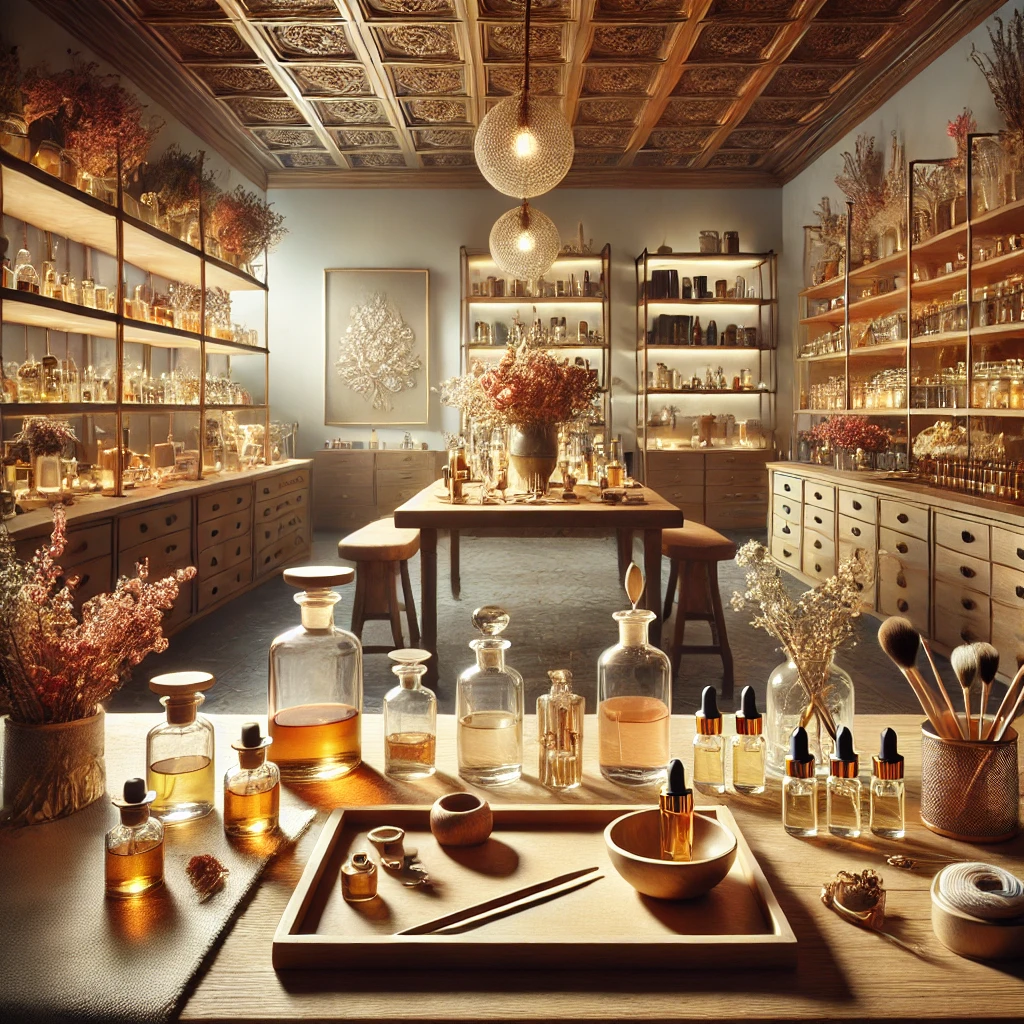
The environment is often warm and atmospheric, filled with raw materials, glass vials, amber bottles, pipettes, and aromatic notes in the air. It is the opposite of a crowded retail fragrance counter—private, artistic, and immersive.
Perfume Ateliers in the Modern Digital World
Although ateliers are traditionally physical spaces, many now offer:
- Virtual scent profiles
- Online consultations
- Digital scent quizzes
- Personalized perfume kits
- Subscription boxes
This blend of tradition and technology helps ateliers reach a global audience while maintaining their artisanal identity.
The Future of Perfume Ateliers
As the fragrance industry evolves, perfume ateliers will play an increasingly important role in shaping the future of scent.
1. Growth of Niche Fragrance Consumers
More people seek artistic, personal perfumes over mainstream releases, strengthening demand for atelier craftsmanship.
2. Innovation in Ingredients
Biotechnology, sustainable molecule creation, and eco-friendly extraction methods will transform Raw materials.
3. Cultural Influence
Ateliers in different regions bring unique styles—Middle Eastern attars, French classicism, Asian botanical perfumery—enriching global olfactory diversity.
4. The Rise of Scent Personalization
Tailored fragrance creation is becoming more accessible, making bespoke perfumery a trend that will continue to expand.
Conclusion: The Timeless Beauty of Perfume Ateliers
A perfume atelier is far more than a workspace—it is an artistic realm where scent becomes emotion, memory, and identity. Its dedication to craftsmanship, individuality, and sensory storytelling sets it apart from the mainstream fragrance world.
As consumers continue to value authenticity, creativity, and emotional connection, perfume ateliers stand at the forefront of a new fragrance renaissance. They remind us that perfume is not just something we wear—but something we feel, remember, and express.