

INTRODUCTION
Waterless Skincare
Waterless skincare is no longer a niche movement—it has rapidly transformed into one of the biggest beauty innovations of 2025. As consumers become more eco-conscious and brands push for sustainability, waterless beauty has emerged as a powerful solution to reduce waste, concentrate formulas, and deliver high-performing products without relying on one of Earth’s most precious resources: water. This new era of skincare not only supports environmental responsibility but also introduces a fresh perspective on how products can be formulated, packaged, and used.
In 2025, waterless skincare is reshaping how we approach beauty routines, offering concentrated benefits while reducing environmental impact. Here’s an in-depth look into why waterless skincare is trending, how it works, and what makes it a game-changing choice for modern consumers.
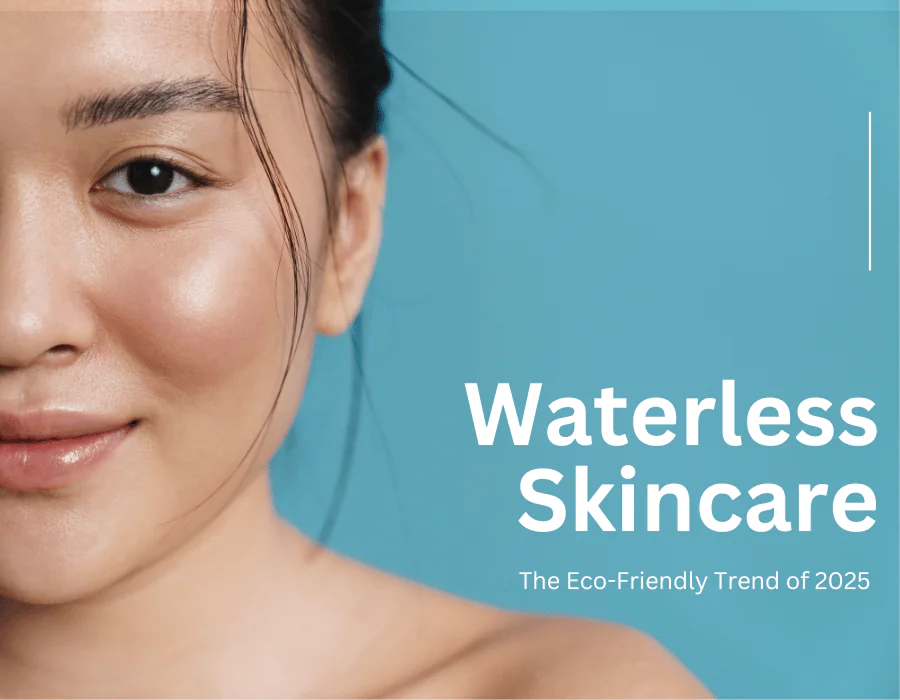
What Is Waterless Skincare?
Waterless skincare refers to products that are created without the use of water as a primary ingredient. Instead of water serving as a base, these products rely on botanical oils, butter, waxes, balms, powders, or solid actives to deliver potent results.
Traditional skincare products use water as a filler—sometimes up to 80% of the total formula. Waterless formulations remove this filler, resulting in:
- Higher concentration of active ingredients
- More sustainable production
- Longer product shelf life
- Reduced packaging waste
By removing water, brands can create compact, efficient, and travel-friendly products that are both powerful and eco-friendly.
Why Waterless Skincare Is Trending in 2025
Several factors have contributed to the massive rise of waterless skincare this year:
1. Environmental Concerns
With increasing water scarcity, consumers are becoming more aware of the beauty industry’s reliance on this natural resource. Waterless beauty significantly reduces water usage in formulations and production, making it a more sustainable choice.
2. Concentrated, Potent Formulations
Since there is no filler, waterless products contain a higher percentage of actives. This means better performance, improved absorption, and more noticeable results with smaller amounts.
3. Minimalistic Beauty Routines
As skinimalism continues to dominate beauty trends, consumers seek fewer products that do more. Waterless formulas align perfectly with this approach, providing multi-functional benefits.
4. Travel-Friendly Convenience
Solid cleansers, bars, balms, powders, and sticks eliminate the hassle of liquid restrictions, leaking packaging, or bulky bottles.
5. Reduced Packaging Waste
Waterless skincare often uses biodegradable, reusable, or minimal packaging, contributing to less plastic waste and supporting eco-friendly lifestyles.
How Waterless Skincare Works
Waterless skincare products use alternative bases that replace water while still providing hydration and nourishment. Common replacements include:
Botanical Oils
Jojoba, rosehip, squalane, marula, and argan oils offer deep nourishment and mimic natural skin lipids.
Plant Butters
Shea, cocoa, mango, and cupuaçu butter add moisture and create occlusive barriers to lock in hydration.
Oil-Based Extracts
Highly concentrated botanical extracts provide antioxidants, vitamins, and soothing benefits.
Powders
Enzymes, clays, and vitamin powders activate when mixed with water during use.
Solid Actives
Ingredients like hyaluronic acid spheres, ceramide complexes, retinol beads, and niacinamide powders deliver targeted benefits without water.
These concentrated formats make waterless skincare exceptionally potent and customizable.
Types of Waterless Skincare Products in 2025
The waterless trend has sparked innovation across all categories of skincare. Here are the most popular product types transforming routines in 2025:
1. Solid Cleansers
Solid cleansing bars and balm cleansers melt into the skin to remove makeup, dirt, and sunscreen without stripping moisture. They typically contain oils, clays, and botanical extracts.
Benefits:
- No harsh surfactants
- Travel-friendly
- Long-lasting
- Gentle on sensitive skin
2. Powder Cleansers & Exfoliants
Powder formulations activate with a few drops of water. They are often packed with rice powder, enzymes, vitamin C, and gentle exfoliants.
Why they’re trending:
- Long shelf life
- Customizable potency
- Less risk of bacterial contamination
3. Balms & Concentrated Moisturizers
Waterless balms provide rich nourishment using oils and butters. They are ideal for dry or barrier-damaged skin.
Key benefits:
- Intensely hydrating
- Suitable for sensitive or eczema-prone skin
- Ideal for nighttime repair routines
4. Serum Sticks
Serum sticks are solid alternatives to liquid serums. Packed with actives like peptides, niacinamide, vitamin E, and plant oils, they glide smoothly over the skin.
Why users love them:
- Mess-free application
- No preservatives needed
- Perfect for on-the-go touch-ups
5. Oil-Based Serums
Oil serums replace water with lightweight botanical oils that penetrate deeply and deliver antioxidants and anti-aging benefits.
6. Powder Toners & Essences
Instead of liquid toners, 2025 has seen a rise in powdered blends that dissolve in a few drops of water or can be sprinkled onto damp skin.
Advantages:
- Travel safe
- Highly customized hydration
- Zero preservatives
7. Solid Sunscreens
A major breakthrough in 2025 is the rise of solid sunscreen sticks and bars made without water. Tinted, invisible, or mineral formats make them versatile and convenient.
The Science Behind Better Performance
Waterless formulas aren’t just eco-friendly—they’re more effective. Here’s why:
1. Higher Active Concentration
Without water, products don’t need as many emulsifiers, stabilizers, or fillers. This leaves more room for potent ingredients that deliver results faster.
2. Enhanced Stability
Water encourages microbial growth, which requires preservatives. Waterless skincare doesn’t need heavy preservatives, allowing for cleaner formulas and minimizing irritation.
3. Better Absorption
Oil-based and concentrated formats mimic the skin’s natural lipid barrier, allowing deeper penetration of nutrients.
4. Longer Shelf Life
Without water, formulas remain stable longer, reducing product waste.
Sustainability Benefits of Waterless Skincare
The environmental advantages go beyond just saving water. Waterless beauty supports sustainability through:
Reduced Carbon Footprint
Lighter products and less packaging mean fewer carbon emissions from shipping.
Minimal Plastic Waste
Many waterless products come in recyclable tins, compostable packaging, or refillable systems.
Lower Manufacturing Waste
Waterless formulations require fewer production steps and less energy.
Extended Product Lifespan
Longer shelf life reduces waste and eliminates the need for frequent repurchases.
How to Build a Waterless Skincare Routine in 2025
A complete waterless routine is easier than ever. Here’s a simple guide:
Step 1: Cleanse
Use a solid cleansing bar or balm to melt away impurities.
Step 2: Exfoliate (Optional)
Incorporate a powder exfoliant 2–3 times a week.
Step 3: Tone
Sprinkle a powder toner into your palms and mix with a few drops of water.
Step 4: Treat
Apply a serum stick or oil-based serum with concentrated actives.
Step 5: Moisturize
Seal hydration with a nourishing balm or oil blend.
Step 6: Protect
Finish with a solid sunscreen bar or stick.
Who Should Use Waterless Skincare?
Waterless skincare is suitable for almost every skin type, but it is especially beneficial for:
Dry or Dehydrated Skin
Oil-based balms and serums provide intense nourishment.
Sensitive Skin
Fewer preservatives and fragrances mean reduced irritation.
Aging Skin
Concentrated actives offer firmer, brighter, and smoother results.
Travelers & Minimalists
Compact, leak-proof products save space and simplify routines.
Eco-Conscious Consumers
Waterless beauty reduces environmental impact and supports sustainable living.
Challenges of Waterless Skincare
While waterless beauty offers many benefits, it comes with a few considerations:
1. Learning Curve
Some users may need time to adjust to concentrated textures like balms or powders.
2. Rich Formulas
Oil-based products can feel heavier for oily or acne-prone skin if overapplied.
3. Higher Initial Cost
Waterless formulas may seem pricier upfront, but they last significantly longer.
The Future of Waterless Beauty
In 2025 and beyond, waterless skincare is pushing brands to rethink beauty innovation. Expect to see:
- More powdered serums and ready-to-activate skincare
- AI-personalized waterless capsules
- Advanced solid sunscreens with high SPF
- Refillable waterless beauty systems
- Multi-functional balms with targeted actives
As sustainability becomes non-negotiable, waterless skincare is set to become a standard, not just a trend.
Final Thoughts
Waterless skincare isn’t just an eco-friendly movement—it’s a revolution transforming the way we think about beauty. By eliminating water, brands create more potent, long-lasting, and environmentally responsible products that cater to modern consumers’ needs. With concentrated actives, minimal packaging, and sustainable innovation, waterless skincare is redefining routines and shaping the future of the beauty industry.
In 2025, choosing waterless skincare means choosing high performance, sustainability, and smarter beauty—one concentrated drop at a time.