
How to Boost Hair Growth
Introduction
How to Boost Hair Growth is often considered a symbol of health, vitality, and beauty. However, many people struggle with slow hair growth, thinning, or hair loss, which can be frustrating and impact self-confidence. The good news is that there are several scientifically backed and natural methods to boost hair growth and improve the overall health of your hair. In this article, we’ll explore the factors that influence hair growth, lifestyle changes, and effective remedies to help you achieve longer, stronger, and healthier hair.
Understanding How to Boost Hair Growth
Before diving into how to boost hair growth, it’s important to understand the hair growth cycle. Hair grows in three phases:
- Anagen (Growth Phase): This is the active growth phase, lasting 2–7 years. The longer this phase, the longer your hair can grow.
- Catagen (Transition Phase): A short phase (about 2–3 weeks) where hair stops growing and detaches from the blood supply.
- Telogen (Resting Phase): Hair rests for 2–4 months before shedding, and new hair begins to grow in its place.
Factors like genetics, age, hormones, diet, and overall health can influence these phases. While you can’t change your genetics, you can optimize other factors to promote faster and healthier hair growth.
1. Nutrition: Feed Your Hair from Within
Your hair is made of a protein called keratin, so a balanced diet rich in essential nutrients is crucial for hair growth. Here are some key nutrients to include in your diet:
- Protein: Hair is primarily made of protein, so a lack of it can lead to weak, brittle hair. Include lean meats, eggs, fish, beans, and nuts in your diet.
- Biotin (Vitamin B7): Biotin is essential for keratin production. Foods like eggs, almonds, sweet potatoes, and spinach are excellent sources.
- Iron: Iron deficiency is a common cause of hair loss. Incorporate iron-rich foods like red meat, lentils, spinach, and fortified cereals.
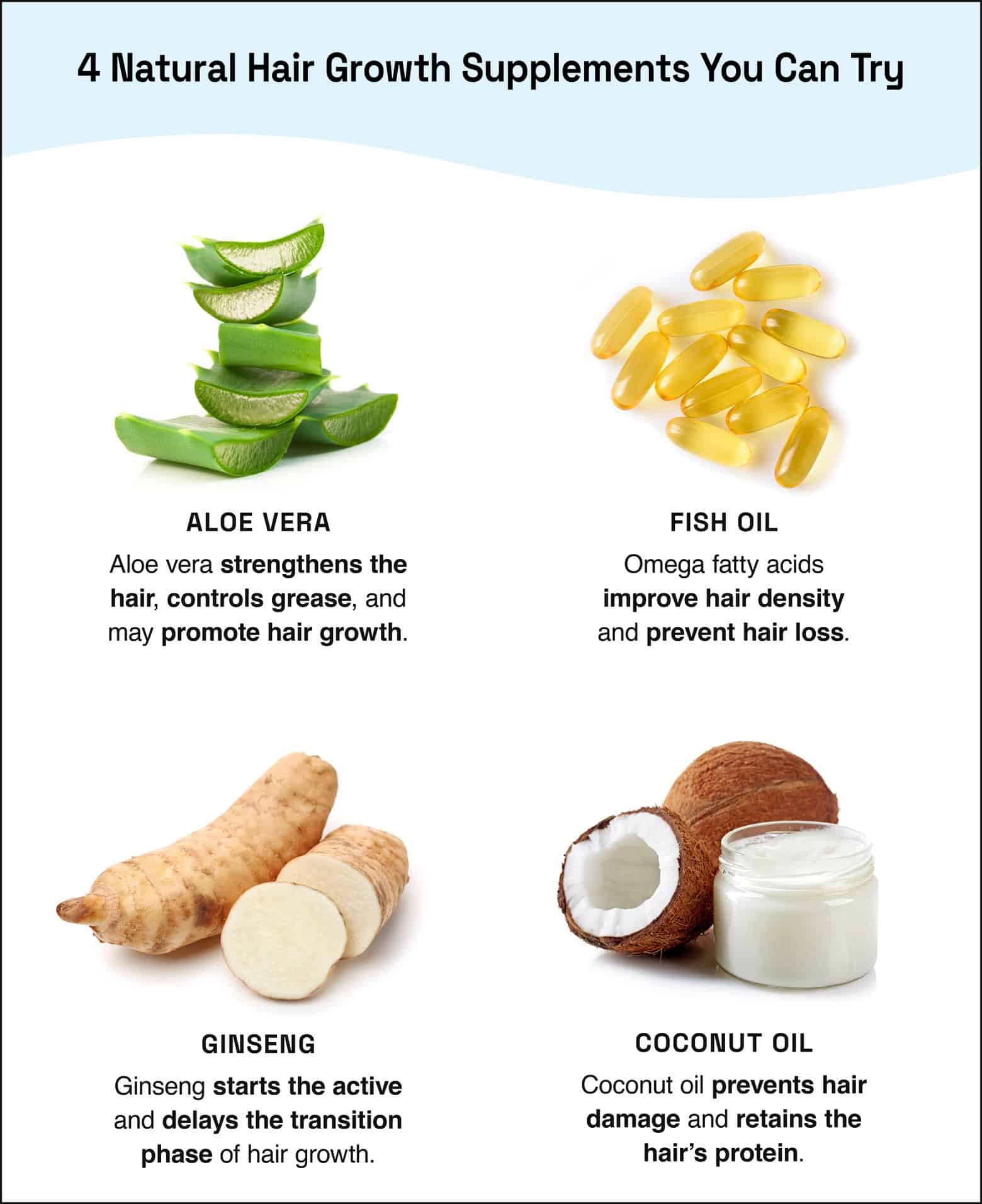
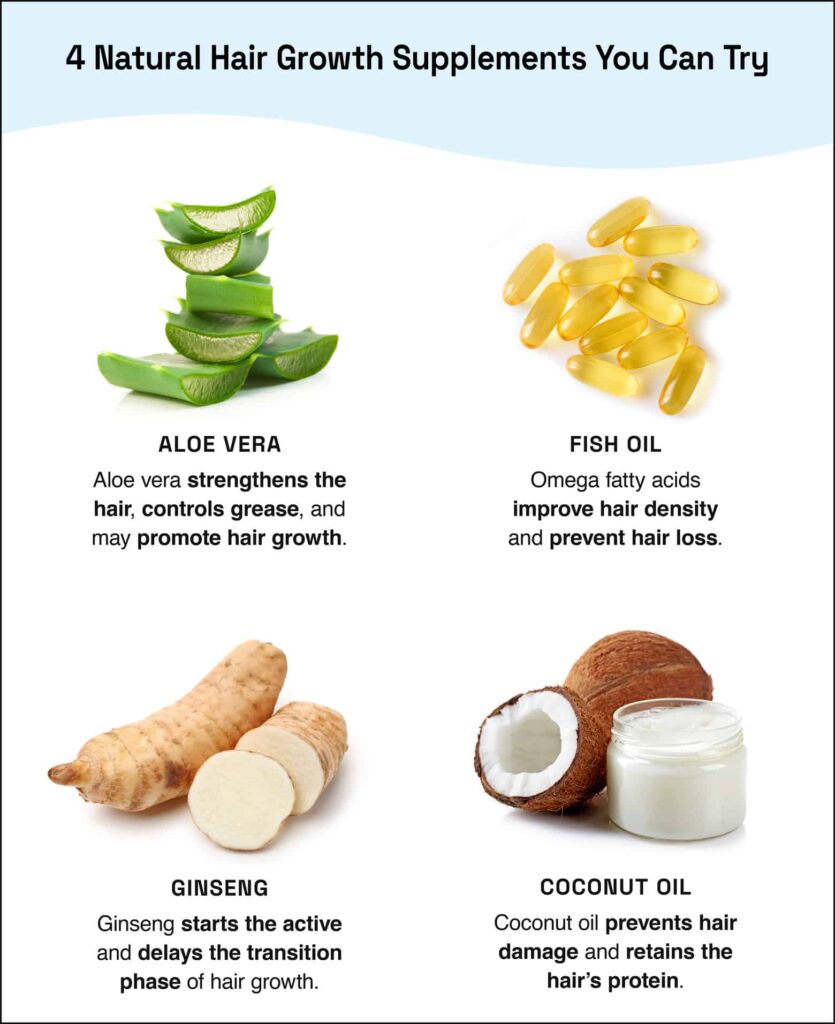
- Omega-3 Fatty Acids: These healthy fats nourish the scalp and promote hair growth. Fatty fish (salmon, mackerel), walnuts, and flaxseeds are great sources.
- Vitamins A, C, D, and E: These vitamins support scalp health, collagen production, and antioxidant protection. Include carrots, citrus fruits, avocados, and nuts in your diet.
- Zinc: Zinc helps repair hair tissue and supports oil glands around hair follicles. Pumpkin seeds, chickpeas, and oysters are rich in zinc.
2. Scalp Care: A Healthy Scalp for How to Boost Hair Growth
A clean and well-nourished scalp is the foundation for healthy hair growth. Here’s how to care for your scalp:
- Regular Cleansing: Wash your hair 2–3 times a week to remove dirt, oil, and product buildup. Use a gentle, sulfate-free shampoo to avoid stripping natural oils.
- Exfoliation: Use a scalp scrub or a brush to exfoliate dead skin cells and improve blood circulation.
- Massage: Scalp massages stimulate blood flow to the hair follicles, promoting growth. Use your fingertips or a scalp massager for 5–10 minutes daily.
- Moisturize: Keep your scalp hydrated with natural oils like coconut oil, argan oil, or jojoba oil. These oils also have antimicrobial properties that can prevent dandruff and infections.
How to Boost Hair Growth
3. Avoid Hair Damage
Hair breakage and damage can hinder growth. To protect your hair:
- Limit Heat Styling: Excessive use of flat irons, curling wands, and blow dryers can weaken hair. Use heat protectant sprays and opt for air-drying whenever possible.
- Avoid Tight Hairstyles: Tight ponytails, braids, or buns can cause traction alopecia, a condition that leads to hair loss. Choose looser styles and avoid pulling on your hair.
- Be Gentle When Wet: Hair is most fragile when wet. Use a wide-tooth comb to detangle and avoid vigorous towel drying.
- Trim Regularly: Regular trims (every 6–8 weeks) prevent split ends from traveling up the hair shaft and causing breakage.
4. Use Hair Growth Products How to Boost Hair Growth
There are several products designed to boost hair growth and improve hair health:
- Minoxidil: An FDA-approved topical treatment for hair loss, minoxidil stimulates hair follicles and prolongs the growth phase.
- Essential Oils: Oils like rosemary, peppermint, and lavender have been shown to promote hair growth. Mix a few drops with a carrier oil and massage into your scalp.
- Hair Masks: DIY masks with ingredients like aloe vera, egg, honey, and yogurt can nourish and strengthen hair.
- Sulfate-Free Shampoos and Conditioners: These products are gentler on the hair and scalp, preventing dryness and breakage.
5. Manage Stress How to Boost Hair Growth
Chronic stress can disrupt the hair growth cycle and lead to hair loss. Practice stress management techniques like:
- Exercise: Regular physical activity improves blood circulation and reduces stress.
- Meditation and Yoga: These practices calm the mind and reduce cortisol levels.
- Adequate Sleep: Aim for 7–9 hours of sleep per night to allow your body to repair and regenerate.
6. Stay Hydrated
Water is essential for overall health, including hair health. Dehydration can make hair dry and brittle, so aim to drink at least 8 glasses of water daily.
7. Avoid Smoking and Limit Alcohol
Smoking reduces blood flow to the scalp, depriving hair follicles of essential nutrients. Excessive alcohol consumption can also dehydrate the body and weaken hair. Quit smoking and limit alcohol intake for healthier hair.
8. Consider Supplements
If you’re not getting enough nutrients from your diet, consider supplements after consulting with a healthcare professional. Popular options include:
- Biotin Supplements: Known to strengthen hair and nails.
- Collagen: Supports hair structure and growth.
- Multivitamins: Ensure you’re meeting your daily nutrient requirements.
9. Be Patient and Consistent
Hair growth is a slow process, and results won’t happen overnight. It takes time for new hair to grow and for existing hair to become stronger. Stay consistent with your routine and give your hair the care it needs.
10. Consult a Professional
If you’re experiencing severe hair loss or slow growth despite your efforts, consult a dermatologist or trichologist. They can identify underlying issues like hormonal imbalances, thyroid problems, or scalp conditions and recommend appropriate treatments.
Conclusion
Boosting hair growth requires a holistic approach that combines proper nutrition, scalp care, and healthy lifestyle habits. By understanding the factors that influence hair growth and implementing the tips outlined in this article, you can achieve longer, thicker, and healthier hair. Remember, consistency is key, and with time and effort, you’ll see noticeable improvements in your hair’s growth and overall health. Embrace the journey, and your hair will thank you!