
Introduction
Choosing the right shampoo can make a noticeable difference in how your hair feels, looks, and behaves after washing. Whether you are dealing with an oily scalp, dry ends, frizz, or hair that seems difficult to manage, finding a shampoo that fits your hair type is an important part of building a consistent hair care routine.
Native hair shampoo is a popular option for people looking for everyday cleansing products with straightforward branding, recognizable fragrance options, and formulas designed for different hair care needs. Native offers shampoos in a range of scents and product variations, making it possible to choose according to personal preferences and your usual washing routine.
However, a shampoo that works well for one person may not be the best choice for someone else. Hair texture, scalp condition, styling habits, water quality, and chemical treatments can all affect how a product performs.
In this guide, we will explore what Native hair shampoo is, its potential benefits, ingredients to understand, how to choose the right formula, and how to use it effectively. You will also learn what to consider before purchasing and how Native shampoo fits into a practical hair care routine.
Table of Contents
- What Is Native Hair Shampoo?
- Why Is Native Shampoo Popular?
- Key Ingredients in Native Hair Shampoo
- Potential Benefits of Native Hair Shampoo
- Is Native Shampoo Good for Different Hair Types?
- How to Choose the Right Native Shampoo
- How to Use Native Hair Shampoo Correctly
- Native Shampoo vs. Traditional Shampoo
- Possible Drawbacks and Things to Consider
- Tips for Getting Better Results From Your Hair Care Routine
- Frequently Asked Questions
- Final Thoughts
1. What Is Native Hair Shampoo?
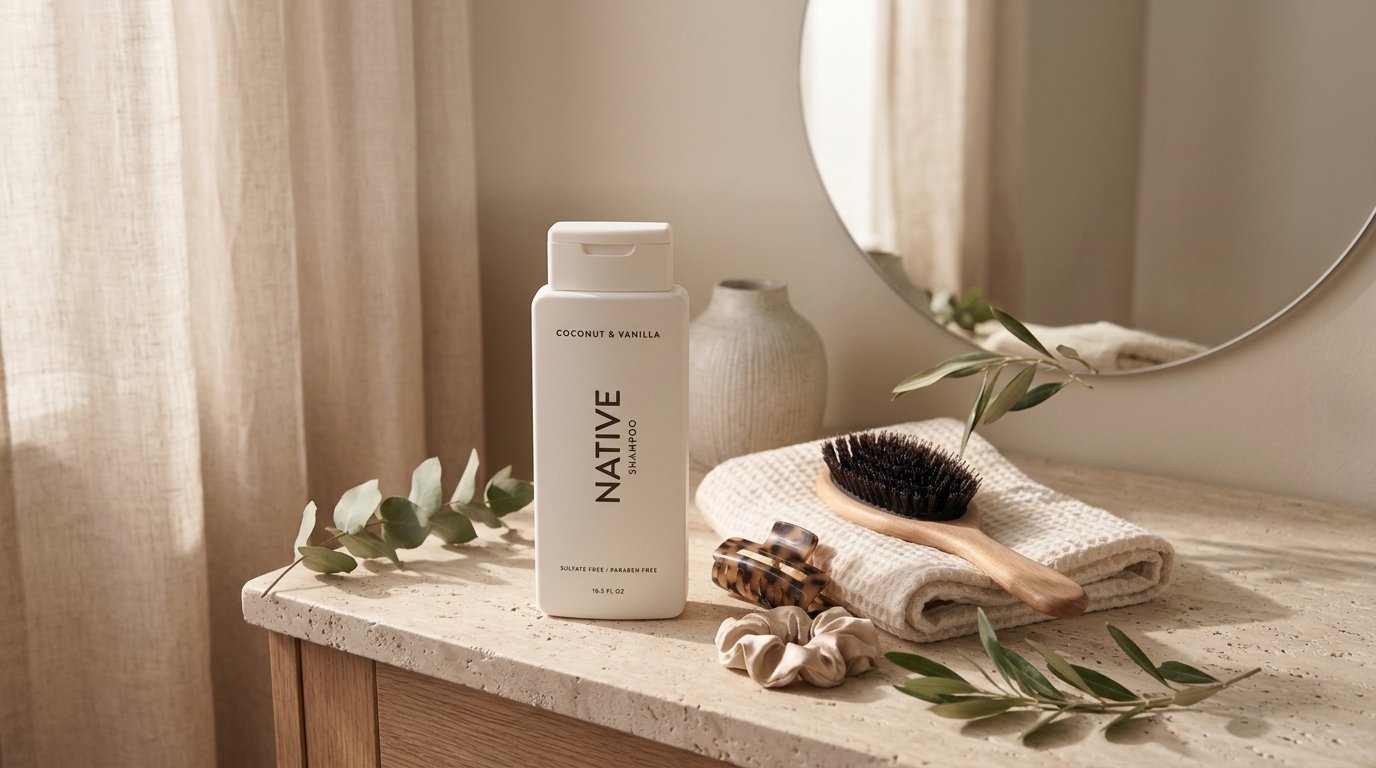
Native hair shampoo is part of Native’s personal care range, which includes hair cleansing and conditioning products. The brand is known for minimalist packaging, fragrance-focused products, and formulas marketed around selected ingredient and formulation choices.
Its shampoos are designed to remove dirt, excess oil, sweat, and product buildup from the scalp and hair. Depending on the particular formula, a shampoo may also be intended to leave hair feeling softer, fresher, or easier to manage.
Shampoo is primarily a cleansing product. It helps remove substances that accumulate between washes, while conditioner usually provides additional slip, softness, and manageability.
Native shampoos are available in different varieties, and not every formula should be expected to deliver the same results. Some people prioritize a refreshing wash, while others want a product that feels less drying or works well with their preferred fragrance.
What Makes Native Shampoo Different?
Several features may interest shoppers considering Native hair shampoo:
- Fragrance variety: Different scents allow shoppers to select a fragrance they enjoy.
- Everyday cleansing: Shampoo is intended to remove excess oil, dirt, and styling residue.
- Hair care combinations: Matching conditioners may be available in corresponding product lines.
- Ingredient-conscious marketing: The brand emphasizes particular formulation choices, although the exact ingredients depend on the product.
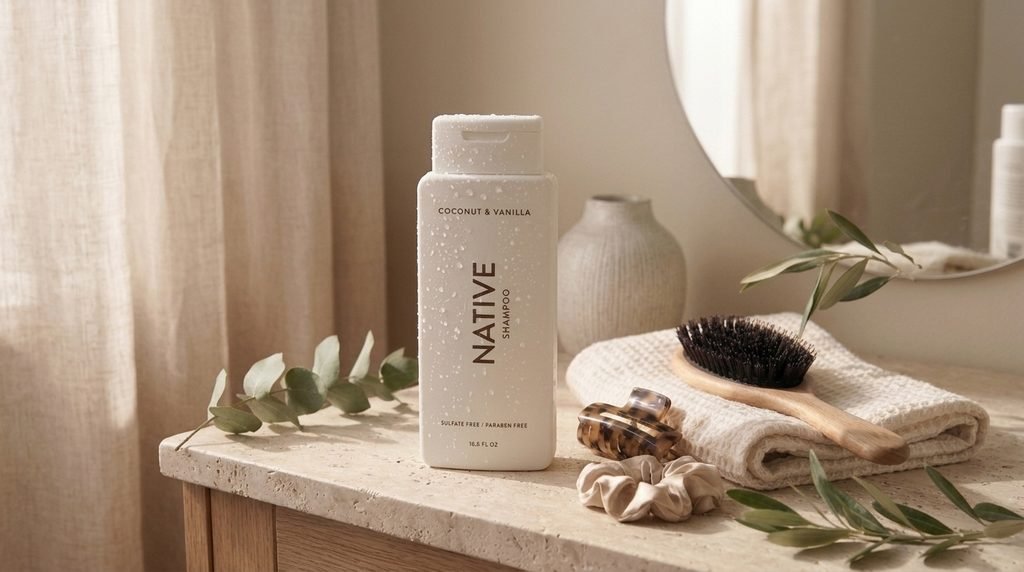
- Simple packaging: The products have a recognizable, minimalist visual style.
It is important to separate branding from performance. Attractive packaging or a pleasant fragrance does not automatically mean that a shampoo will suit every scalp or hair texture.
Is Native Shampoo a Daily Shampoo?
Whether you can use Native shampoo daily depends on the specific formula, your scalp, and your hair’s needs. People with oily scalps or those who exercise frequently may prefer more frequent washing, while people with dry, curly, or tightly coiled hair may benefit from washing less often.
There is no universal schedule that works for everyone. Pay attention to how your scalp feels after washing and how your lengths respond over time.
.
2. Why Is Native Shampoo Popular?
Native shampoo attracts shoppers who want a recognizable personal care brand with a selection of scents and complementary hair care products.
For many consumers, the appeal comes from combining a practical cleansing product with a fragrance they enjoy. Hair care is a repeated part of everyday life, so scent, packaging, ease of use, and how hair feels after washing can all influence a purchasing decision.
Fragrance Choices
Fragrance is one of the features that may help distinguish one Native shampoo from another. Depending on the product range and market, scent options can vary.
Some shoppers prefer fresh, clean-smelling products, while others enjoy warmer, sweeter, fruity, or floral fragrances. If fragrance is important to you, review the specific product description rather than assuming that every scent is available in every location.
People with sensitive skin or fragrance sensitivities should be particularly careful. Fragrance can trigger irritation or allergic reactions in susceptible individuals, even when a product is marketed for everyday use.
A Matching Hair Care Routine
A matching shampoo and conditioner can make a routine feel coordinated and convenient. Shampoo cleanses the scalp and hair, while conditioner helps reduce friction and improve the feel of the hair lengths.
Using products from the same line is optional, however. You can combine Native shampoo with another conditioner if that combination better suits your texture, scalp, budget, or styling preferences.
Convenient Everyday Cleansing
For someone who wants a straightforward wash-day routine, a conventional liquid shampoo can be convenient. You can apply it directly to wet hair, massage the scalp, and rinse thoroughly without needing a complicated process.
The key is to choose a formula that cleans your scalp effectively without leaving your hair feeling excessively dry or coated.
Packaging and Bathroom Aesthetics
Native’s minimalist packaging may also appeal to shoppers who prefer simple-looking products on their bathroom shelves. While packaging is a personal preference rather than a measure of hair care effectiveness, it can be part of the overall shopping experience.
Ultimately, the most useful way to assess Native hair shampoo is to consider its formula, price, availability, scent, and performance on your own hair.
3. Key Ingredients in Native Hair Shampoo
Understanding shampoo ingredients can help you decide whether a product is suitable for your hair and scalp. The ingredient list on the exact bottle is more reliable than general assumptions about the brand.
Cleansing Agents
Cleansing agents, often called surfactants, help water remove oil, dirt, sweat, and product residue from hair.
Different surfactants have different cleansing characteristics. Some are designed to provide stronger cleansing, while others may be used in combinations intended to balance cleansing and feel.
The strength of a shampoo depends on the overall formulation, not simply on whether it contains one particular ingredient.
If your hair frequently feels stripped after washing, consider how often you shampoo, how much product you use, and whether a different cleansing formula would be more comfortable.
Conditioning Ingredients
Some shampoos contain ingredients that help improve the feel of hair during or after washing. Depending on the formula, these may contribute to smoothness, softness, or easier detangling.
A shampoo is not usually a substitute for a dedicated conditioner, especially if your hair is long, bleached, chemically treated, curly, or prone to tangling.
Fragrance Ingredients
Fragrance contributes to a product’s scent. A pleasant fragrance may make wash day more enjoyable, but it does not necessarily provide a specific hair benefit.
If you experience scalp itching, redness, or irritation after using a fragranced shampoo, discontinue use and consider a fragrance-free alternative. Persistent or severe symptoms warrant advice from a qualified healthcare professional.
Preservatives and Formula Stabilizers
Water-based personal care products commonly use preservatives and other formulation ingredients to help maintain product quality during normal use.
Their presence is not automatically a sign that a product is unsuitable. Ingredients should be assessed in the context of the complete formula, intended use, and individual sensitivities.
What About Sulfates and Silicones?
Some shoppers specifically seek sulfate-free or silicone-free products. Whether Native hair shampoo meets those preferences depends on the individual formula and the product’s current ingredient list.
Do not assume that every Native shampoo has identical ingredients or that a formula’s performance can be determined by a single ingredient category.
Sulfates are cleansing agents used in many shampoos. They can be effective at removing oil and buildup, although some people find certain cleansing formulas too drying for their needs.
Silicones are a separate ingredient category that can help improve slip, smoothness, and manageability in some hair products. Their presence or absence does not automatically determine whether a shampoo is good or bad.
4. Potential Benefits of Native Hair Shampoo
Native hair shampoo may be a useful part of a hair care routine when its cleansing properties and formula match your needs. The benefits you notice will depend on the particular product and your hair’s condition.
4.1 Removes Excess Oil and Everyday Buildup
One of shampoo’s main functions is to remove excess sebum, sweat, environmental dirt, and residue from styling products.
If your scalp becomes oily quickly, regular cleansing may help your hair feel lighter and fresher. You may also notice that your roots look less flat after washing.
The result depends on the formula and how thoroughly you rinse. A shampoo that is too mild for your styling habits may leave residue behind, while an overly strong cleansing routine may leave some hair types feeling rough.
4.2 Helps Hair Feel Fresh and Clean
A suitable shampoo can help create a comfortable, clean feeling after washing. Fragrance may contribute to the sensory experience, although the scent will not necessarily last for the same length of time on everyone.
Hair that feels fresh immediately after washing is not necessarily healthier in the long term. Pay attention to scalp comfort, tangling, breakage, and the condition of your ends as well.
4.3 Fits Into a Simple Hair Care Routine
A shampoo-and-conditioner routine does not need to be complicated. For many people, a suitable cleanser, conditioner, and heat-protectant product when needed provide a practical foundation.
You can add other products according to your hair’s needs rather than buying every item in a matching collection.
4.4 May Support Manageability When Paired With Conditioner
If a shampoo cleanses effectively without leaving your hair too dry, it may make styling more comfortable when used alongside an appropriate conditioner.
Conditioner can help reduce friction between hair strands, which may improve detangling and reduce mechanical stress during brushing.
The shampoo alone should not be expected to repair split ends or reverse existing hair damage. Products can improve how damaged hair feels and behaves, but damaged lengths generally cannot be permanently restored to their original condition.
4.5 Offers Choices for Personal Preferences
Different scent options and complementary products can help shoppers choose a routine they enjoy using consistently.
That said, the best product is not necessarily the most popular one. A fragrance-free or more specialized shampoo may be a better choice if your scalp is sensitive or you have a specific hair care requirement.
What Native Shampoo Cannot Be Assumed to Do
It is important to keep expectations realistic. Unless a specific product has reliable evidence supporting a particular claim, do not assume that Native shampoo:
- Stops hair loss or guarantees hair growth.
- Treats dandruff or scalp disease.
- Repairs split ends permanently.
- Works equally well for every hair type.
- Produces dramatic results after a single wash.
A shampoo’s main job is cleansing. Choose specialized products or professional guidance when you have a persistent scalp concern or significant hair changes.
5. Is Native Shampoo Good for Different Hair Types?
The suitability of Native hair shampoo depends on your scalp’s oil production, your hair texture, and the condition of your lengths. Consider the following guidance when choosing a formula.
Native Shampoo for Oily Hair
If your roots become greasy quickly, look for a formula that removes excess oil without leaving your scalp uncomfortable.
Helpful habits include:
- Concentrating shampoo on the scalp rather than aggressively scrubbing the lengths.
- Rinsing thoroughly to remove cleanser and residue.
- Adjusting wash frequency to your scalp’s needs.
- Applying conditioner mainly to the mid-lengths and ends if your roots become oily easily.
A stronger cleansing shampoo may be useful occasionally for stubborn styling buildup, depending on your hair’s tolerance. It does not have to be your everyday product.
Native Shampoo for Dry Hair
Dry hair may benefit from a cleansing formula that leaves it comfortable rather than rough or tangled.
To improve your routine:
- Avoid using unnecessarily hot water.
- Focus cleansing on the scalp.
- Use a conditioner suited to your hair’s texture.
- Limit excessive heat styling.
- Apply a leave-in conditioner if your hair needs additional slip or softness.
No shampoo can compensate fully for a routine that repeatedly exposes hair to damaging heat, aggressive brushing, or harsh chemical processing.
Native Shampoo for Curly Hair
Curly and coily hair can be more prone to tangling and may benefit from a routine that limits unnecessary friction.
If you have curls, assess how your hair feels after shampooing. If it becomes difficult to detangle or feels unusually rough, consider using a different formula or adjusting wash frequency.
A conditioner with good slip, gentle detangling, and careful drying techniques can be especially helpful.
Native Shampoo for Fine Hair
Fine hair can lose volume when products leave too much residue or when heavy conditioners are applied close to the roots.
A suitable shampoo should cleanse effectively without leaving your hair feeling coated. Apply conditioner selectively if your lengths need moisture but your roots become flat easily.
Avoid assuming that fine hair always needs a harsh shampoo. The goal is balanced cleansing rather than removing every trace of natural oil.
Native Shampoo for Thick Hair
Thick hair may require more time to wet thoroughly, distribute shampoo, and rinse completely.
Parting the hair into sections can help you reach the scalp more evenly. A second wash may be helpful when the first wash does not remove heavy styling products, but it is not necessary for every wash.
Conditioning the lengths and ends may also help make detangling easier.
Native Shampoo for Color-Treated Hair
Color-treated hair may benefit from a routine that limits unnecessary dryness and fading.
Before purchasing Native shampoo, check whether the specific formula is recommended for color-treated hair and whether the manufacturer provides relevant usage guidance.
Wash with lukewarm water, avoid excessive washing when possible, and use a conditioner formulated for your hair’s condition. Color maintenance also depends on the type of dye, water exposure, heat styling, and the condition of your hair.
Native Shampoo for Sensitive Scalps
If your scalp reacts easily to hair care products, ingredient selection matters more than fragrance or packaging.
Consider a fragrance-free shampoo designed for sensitive skin. Check the ingredient list carefully, introduce new products one at a time, and discontinue use if irritation develops.
Native’s fragranced options may not be ideal for every sensitive scalp. Product tolerance varies, and no label can guarantee that an individual will not react.
6. How to Choose the Right Native Shampoo
Choosing a shampoo becomes easier when you focus on your actual hair care concerns instead of buying based on fragrance or popularity alone.
Start With Your Scalp
Your scalp usually determines how often you need to cleanse.
If your roots become oily quickly, you may need more frequent washing. If your scalp feels tight or uncomfortable after shampooing, a different cleansing formula or a less frequent washing schedule may be worth considering.
Remember that a dry scalp and dry hair lengths are not the same thing. You can have an oily scalp and dry ends at the same time.
Identify Your Main Hair Concern
Think about what you want your shampoo to help with.
For example:
- Oily roots: Prioritize effective cleansing and a comfortable scalp feel.
- Dry lengths: Look for a formula that does not leave hair excessively rough.
- Frizz: Consider your conditioner, styling products, humidity, and drying technique as well as shampoo.
- Product buildup: Review your styling routine and consider whether occasional deeper cleansing is appropriate.
- Sensitive scalp: Pay particular attention to fragrance and potential irritants.
- Color-treated hair: Check suitability for colored hair and follow the manufacturer’s instructions.
A shampoo cannot address every hair concern by itself. Your complete routine matters.
Read the Current Ingredient List
Before purchasing, check the actual product packaging or the manufacturer’s current product information.
Look for ingredients you already know you tolerate and review any ingredients you prefer to avoid. If you have a diagnosed allergy, do not rely on broad marketing terms to determine whether a product is safe for you.
Choose a Fragrance You Enjoy—If Fragrance Suits You
A pleasant scent can make washing your hair feel more enjoyable. However, fragrance should be a secondary consideration if you have experienced irritation from fragranced products.
When possible, choose a product with a clear ingredient list and a scent profile that suits your preferences.
Compare Bottle Size and Cost Per Use
A bottle’s purchase price does not tell the whole story. Compare the price per unit of volume and consider how much shampoo you typically need per wash.
Long or thick hair may require more product to reach the scalp evenly, while short hair may need considerably less.
Do not assume that the largest bottle is always the best value. A formula that does not suit your hair can become a poor purchase even when the price is attractive.
Buy From a Reliable Retailer
Choose a reputable retailer or an authorized sales channel where possible. Check packaging, product details, and return policies before buying.
If you are purchasing online, confirm that the product name and formula match what you intend to buy. Product ranges and availability can differ by market.
7. How to Use Native Hair Shampoo Correctly
The way you wash your hair can influence the result as much as the product itself. A consistent technique helps distribute shampoo effectively while reducing unnecessary friction.
Step 1: Thoroughly Wet Your Hair
Use lukewarm water to wet your scalp and hair. Take enough time to ensure that the roots and underlying sections are fully saturated.
Hair that is only partly wet can make it harder to distribute shampoo evenly.
Step 2: Use an Appropriate Amount
Start with a modest amount of Native shampoo and adjust according to your hair length, density, and styling buildup.
Using more shampoo does not automatically mean cleaner hair. Excessive product can take longer to rinse and may be unnecessary for a routine wash.
Step 3: Apply Shampoo to Your Scalp
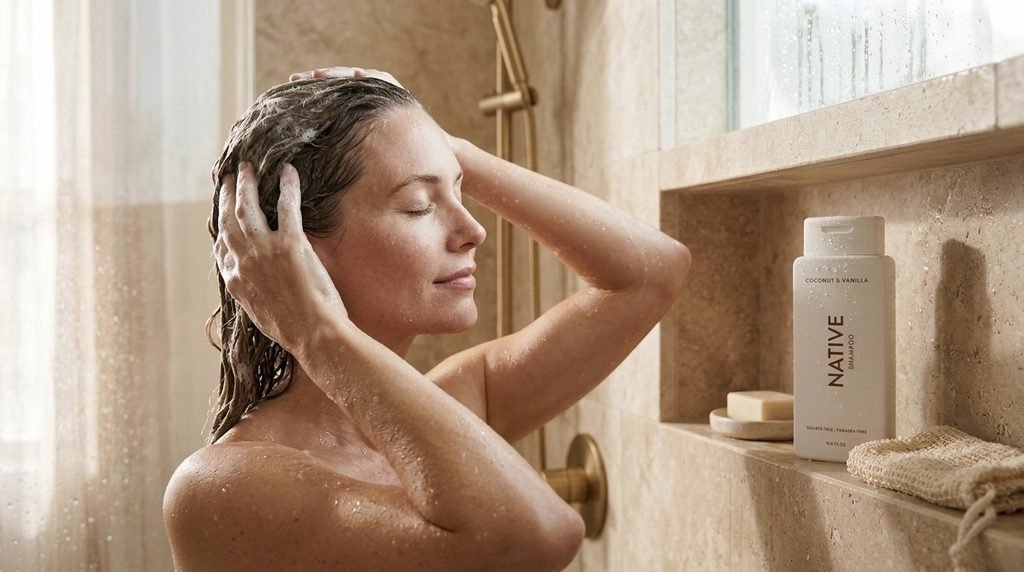
Spread the shampoo across your fingertips and gently massage it into the scalp.
Use your fingertips rather than your nails. Work through different areas, including the crown, sides, and back of the head.
The scalp is generally the primary target for cleansing because oil and residue accumulate near the roots. The foam rinsing through the lengths will usually provide some cleansing without requiring aggressive scrubbing.
Step 4: Massage Gently
Use small, comfortable circular movements to distribute the product.
Avoid harsh scratching or forceful rubbing, especially if your scalp is sensitive or your hair is fragile. If you have braids, extensions, or another protective style, follow care instructions appropriate to that style.
Step 5: Rinse Thoroughly
Rinse until the shampoo has been removed from your scalp and hair.
Pay particular attention to the nape, behind the ears, and dense sections where residue can remain.
Leftover product may affect how your hair feels and can contribute to discomfort in some people.
Step 6: Shampoo Again Only If Needed
A second wash may be useful when your hair has heavy styling residue, significant oil buildup, or has not become clean after the first wash.
It is not mandatory for everyone. If one wash leaves your scalp clean and comfortable, repeating the process may be unnecessary.
Step 7: Apply Conditioner
Squeeze excess water from your hair and apply conditioner according to its instructions, generally focusing on the mid-lengths and ends.
Leave it on for the recommended time and rinse thoroughly.
If your scalp becomes oily easily, avoid applying rich conditioner directly to the roots unless the product is specifically intended for scalp use.
Step 8: Dry Carefully
Gently squeeze excess water from your hair using a soft towel or T-shirt rather than rubbing vigorously.
Use a wide-tooth comb or an appropriate detangling brush when needed. If you use heat tools, consider a heat protectant and avoid unnecessarily high temperatures.
8. Native Shampoo vs. Traditional Shampoo
Comparing Native hair shampoo with traditional shampoos is more useful when you focus on individual formulas rather than broad marketing categories.
Cleansing Performance
All shampoos should be evaluated according to how well they cleanse for their intended use.
A formula that removes excess oil and styling residue effectively may be suitable for one person but too drying for another. The ideal balance depends on your scalp, hair texture, and styling habits.
Ingredients and Formulation
Different brands use different combinations of surfactants, conditioning agents, preservatives, fragrance ingredients, and other components.
Native’s product positioning may appeal to shoppers who appreciate its particular formulation choices, but ingredient lists vary. Other brands may offer formulas better suited to specific concerns, such as a fragrance-free option or a specialized dandruff shampoo.
Fragrance and Sensory Experience
Fragrance preferences are personal. Some shoppers want a noticeable scent, while others prefer minimal or no fragrance.
If you are sensitive to fragrance, do not choose a shampoo based only on how appealing the scent sounds. Consider a suitable fragrance-free product instead.
Price and Availability
Prices vary by bottle size, retailer, location, and promotion. Compare the actual cost per unit rather than relying on a brand’s overall reputation or assumptions about premium products.
Availability may also vary, so confirm that the specific formula you want can be purchased in your market.
Which Is Better?
There is no universal winner. Native shampoo may suit someone who likes its scent options and finds the cleansing formula comfortable. Another shampoo may be a better fit for someone who needs a fragrance-free formula, a specialized scalp treatment, or a different conditioning balance.
The best comparison is the one that reflects your own priorities and the exact products available to you.
9. Possible Drawbacks and Things to Consider
Before buying Native hair shampoo, consider the following potential limitations.
Fragrance May Not Suit Everyone
Fragranced shampoos can be enjoyable, but fragrance may irritate some individuals or trigger allergic contact dermatitis.
If you have a history of reactions to fragranced products, look carefully at the ingredients and consider a fragrance-free alternative.
Results Depend on the Formula
A brand can sell several shampoos with different ingredient combinations and intended uses. Reviews of one formula do not necessarily predict how another will perform.
Check the exact product name and ingredient list before making a decision.
One Shampoo Cannot Solve Every Hair Concern
Shampoo can cleanse the scalp and hair, but it is not a complete solution for every concern.
Persistent dandruff, scalp inflammation, sudden hair shedding, or other ongoing symptoms may require a more targeted approach and professional advice.
Likewise, hair breakage may be influenced by heat styling, chemical treatments, tight hairstyles, and mechanical damage rather than shampoo alone.
Marketing Language Needs Context
Terms such as clean, natural, nourishing, or gentle can have different meanings depending on the product and the context in which they are used.
Read the ingredient list and evaluate the product based on your needs instead of assuming that a marketing description guarantees a particular result.
Product Availability Can Change
Retailers may stock different scents or discontinue specific formulas. Packaging and ingredient lists can also change over time.
Always verify current information before purchasing, especially if you are trying to avoid a particular ingredient.
10. Tips for Getting Better Results From Your Hair Care Routine
A suitable shampoo works best when the rest of your routine supports your hair’s needs.
Wash According to Your Scalp
Do not force yourself to follow a fixed schedule just because it is popular online.
Some scalps feel comfortable with frequent washing, while others need less frequent cleansing. Adjust based on oiliness, sweat, product buildup, and comfort.
Avoid Excessive Heat
Frequent high-temperature styling can contribute to dryness and breakage. Use heat tools thoughtfully and consider a heat protectant when styling with hot appliances.
Allowing hair to air-dry partially before blow-drying may reduce the amount of time spent applying heat.
Condition the Lengths
Conditioner can improve slip and make wet hair easier to detangle.
Concentrate it where you need the most help, often the mid-lengths and ends. Fine hair may require a lighter application than dense or highly textured hair.
Handle Wet Hair Gently
Wet hair can be more vulnerable to mechanical stress, depending on its condition and structure.
Avoid rough towel-drying, aggressive brushing, and pulling through knots. Work through tangles gradually with a suitable detangling tool.
Introduce New Products One at a Time
When changing your shampoo, avoid introducing several new products simultaneously if you want to identify what works.
Pay attention to how your scalp feels, how quickly your roots become oily, and whether your hair becomes easier or harder to manage.
Stop using a product if it causes persistent irritation.
Keep Expectations Realistic
Healthy-looking hair usually reflects several factors, including genetics, overall hair condition, styling habits, and consistent care.
A shampoo can contribute to a comfortable cleansing routine, but it should not be expected to transform hair overnight.
11. Frequently Asked Questions
Is Native hair shampoo good for your hair?
Native hair shampoo may be suitable for your hair if the particular formula cleanses effectively without causing excessive dryness or irritation. Suitability depends on your scalp, hair texture, ingredients, and washing frequency. Check the current product label and evaluate how your hair responds.
Is Native shampoo sulfate-free?
Sulfate content depends on the specific product formula. Do not assume that every Native shampoo is sulfate-free. Check the ingredient list on the bottle or the manufacturer’s current product information to confirm whether the formula meets your preferences.
Is Native shampoo good for oily hair?
It may work for oily hair if its cleansing strength matches your needs. Focus application on the scalp, rinse thoroughly, and choose a washing frequency that keeps your scalp comfortable. If your roots remain greasy, consider whether product buildup or a different cleansing formula is contributing to the problem.
Can I use Native shampoo every day?
Some people can comfortably shampoo daily, while others prefer less frequent washing. Consider your scalp’s oil production, exercise habits, styling products, and hair condition. If daily washing causes dryness or irritation, adjust your routine or consider a different formula.
Is Native shampoo suitable for curly hair?
It depends on the particular formula and your curls’ needs. Curly hair may benefit from a cleanser that removes buildup without leaving the lengths excessively rough or tangled. Pair shampoo with a suitable conditioner and use gentle detangling techniques.
Is Native shampoo safe for color-treated hair?
Check the specific product’s instructions and suitability claims before using it on color-treated hair. Hair dye type, washing frequency, water temperature, and heat styling can all affect color retention. If maintaining a particular color is important, a shampoo specifically designed for color-treated hair may be worth considering.
Does Native shampoo help hair grow?
A regular shampoo primarily cleanses the scalp and hair. Do not assume that Native shampoo stimulates hair growth or prevents hair loss without reliable evidence for the specific product and claim. If you experience persistent or sudden hair shedding, seek advice from a qualified healthcare professional.
Can Native shampoo cause dry hair?
Any shampoo may leave some hair types feeling dry, depending on the formula, washing frequency, and condition of the hair. If your lengths feel rough after washing, consider using less product, adjusting wash frequency, or trying a different shampoo and conditioner combination.
Does Native shampoo contain fragrance?
Many shampoos are fragranced, and Native’s scent options are part of the brand’s product offering. Check the exact product label to confirm its fragrance ingredients. If you have fragrance sensitivities, a fragrance-free formula may be more appropriate.
Should I use Native shampoo and conditioner together?
You can use matching Native shampoo and conditioner if the products suit your hair. However, using a different conditioner is also perfectly reasonable. Choose the combination that provides comfortable cleansing, manageable lengths, and a result you like.
How much Native shampoo should I use?
Start with a small amount and adjust according to your hair length, density, and the amount of buildup. Concentrate on the scalp and rinse thoroughly. Using more product than necessary does not guarantee better cleansing.
Where should I buy Native hair shampoo?
Look for Native hair shampoo through the brand’s official shopping channels or reputable retailers that operate in your market. Verify the exact formula, bottle size, ingredient list, and return policy before purchasing.
12. Final Thoughts
Native hair shampoo may be worth considering if you want an everyday cleanser with a fragrance and formulation that suit your preferences. Its appeal may include recognizable packaging, a selection of scents, and the option to pair shampoo with complementary hair care products.
The most important consideration, however, is how the exact formula works for your scalp and hair. An effective shampoo should remove excess oil and buildup while leaving your scalp comfortable and your lengths manageable.
Before buying, check the current ingredient list, consider your hair type, and decide whether you need a specialized formula for concerns such as sensitivity, color-treated hair, or persistent scalp problems.
Remember that shampoo is only one part of hair care. A suitable conditioner, gentle handling, sensible heat styling, and a consistent routine all contribute to the appearance and manageability of your hair.
2 thoughts on “Native Hair Shampoo: Benefits, Ingredients, How to Use It, and What to Know Before Buying”