
Dry, damaged hair can be difficult to manage. It may feel rough, look dull, tangle easily, and become more prone to breakage. Whether your hair has been affected by heat styling, coloring, chemical treatments, or everyday environmental stress, choosing the right shampoo can make your haircare routine more effective.
The best shampoo for dry and damaged hair should gently cleanse the scalp while helping the lengths feel softer, smoother, and easier to manage. The ideal choice depends on your hair type, scalp condition, styling habits, and the level of dryness you experience.
There are many haircare products available, but not every shampoo is suitable for every person. Some formulas focus on moisture, while others are designed for hair that has been weakened by coloring or repeated chemical treatments. Understanding these differences can help you choose a product that fits your needs.
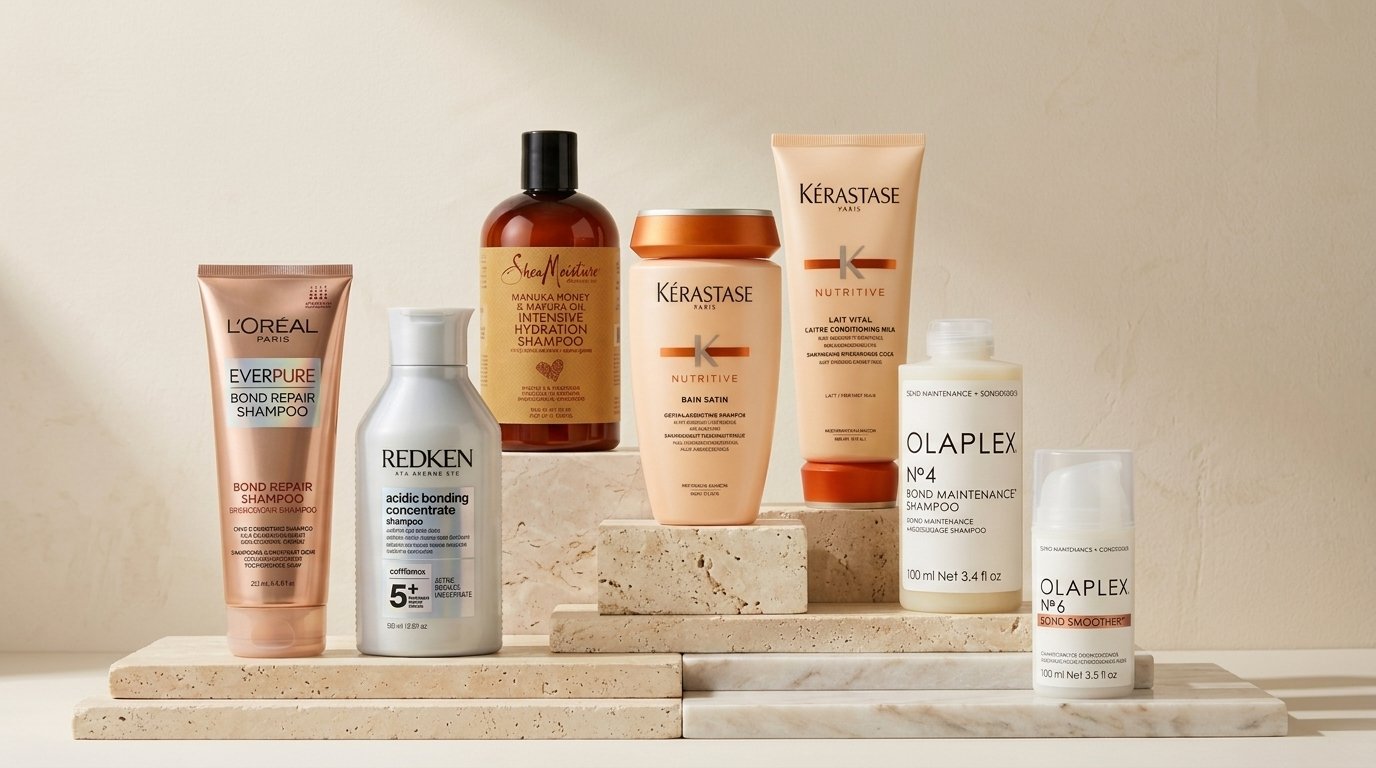
In this guide, we will explore seven branded haircare options, including Kérastase Nutritive Bain Satin Shampoo, Redken Acidic Bonding Concentrate Shampoo, SheaMoisture Manuka Honey & Mafura Oil Intensive Hydration Shampoo, L’Oréal Paris EverPure Bond Repair Shampoo, and Olaplex No. 4 Bond Maintenance Shampoo. We will also look at complementary conditioners, leave-in treatments, and hair masks that can support a more complete routine.
What Is the Best Shampoo for Dry and Damaged Hair?
The best shampoo for dry and damaged hair is one that cleanses without leaving the hair feeling excessively stripped or rough. It should suit your scalp while helping your hair lengths feel manageable and comfortable.
Dry hair often needs a routine that balances cleansing with conditioning. Damaged hair may also benefit from products designed for chemically treated, heat-styled, or fragile strands.
When comparing shampoos, consider the following features:
- Gentle cleansing: A formula that cleans the scalp without making your lengths feel uncomfortably dry.
- Conditioning ingredients: Ingredients that help improve softness, smoothness, and manageability.
- Hair-type suitability: A lightweight formula may suit fine hair, while thicker or coarser hair may prefer richer conditioning products.
- Color-treated hair compatibility: If your hair is dyed, check whether the product is suitable for color-treated hair.
- Your scalp condition: A dry scalp and an oily scalp may require different approaches, even when the hair lengths are dry.
Remember that shampoo cannot permanently repair split ends or reverse every type of structural hair damage. The right formula can, however, help improve how your hair feels and behaves as part of a thoughtful haircare routine.
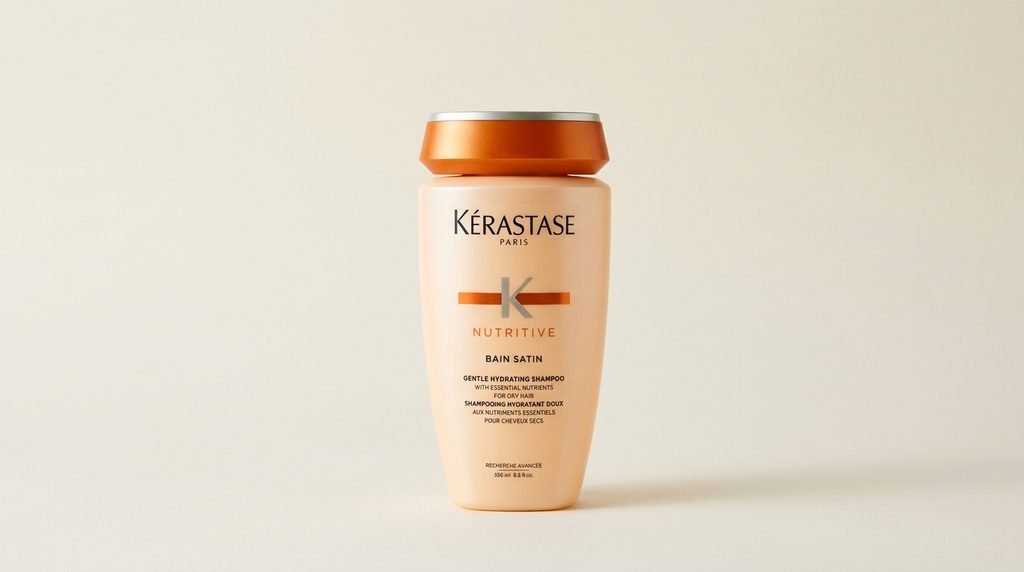
1. Kérastase Nutritive Bain Satin Shampoo
Kérastase Nutritive Bain Satin Shampoo is an option to consider if your hair feels dry, looks dull, or needs a softer, more conditioned feel.
The Kérastase Nutritive range focuses on haircare for dryness. This shampoo can be considered by people who want a premium cleansing product as part of a routine designed to make dry hair feel more manageable.
Why Consider This Shampoo?
Dry hair can feel rough because the outer surface of the strands becomes less smooth. This can make hair harder to detangle and more difficult to style.
A shampoo designed for dry hair may help leave the lengths feeling softer after washing. The overall result also depends on your conditioner, water temperature, styling habits, and how frequently you wash your hair.
Who May Like It?
Kérastase Nutritive Bain Satin Shampoo may be worth considering if:
- Your hair frequently feels dry after washing.
- You prefer a premium haircare routine.
- Your hair needs additional softness and manageability.
- You want a shampoo that fits into a moisturizing routine.
If your hair is very fine or your scalp becomes oily quickly, pay attention to how much product you use and whether the formula leaves your roots feeling heavy.
Best for: People looking for a premium shampoo option for dry hair.
Image 1 placement: Add a clean product photograph immediately after this section. Show the authentic Kérastase Nutritive Bain Satin Shampoo bottle against a simple cream or beige background.
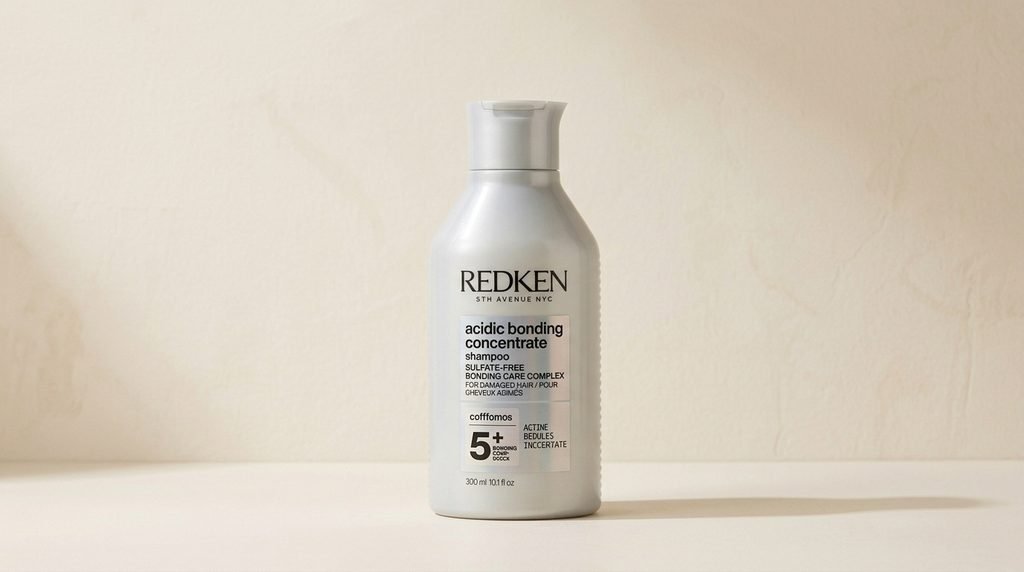
2. Redken Acidic Bonding Concentrate Shampoo
Redken Acidic Bonding Concentrate Shampoo is designed for haircare routines focused on damaged, weakened, or chemically treated hair. It may be worth considering if your hair has been exposed to frequent coloring, bleaching, or heat styling.
Repeated chemical treatments and high-heat styling can leave hair feeling rough, fragile, or difficult to manage. A shampoo formulated for damaged hair can be one part of a routine that also includes conditioning and reduced heat exposure.
What Makes It Worth Considering?
Redken’s Acidic Bonding Concentrate range is positioned around caring for damaged hair. When choosing this product, check the current packaging and directions for the version available in your country.
Keep in mind that a shampoo alone cannot reverse all damage caused by bleaching, coloring, or repeated heat styling. Results depend on the condition of your hair and the other products and practices in your routine.
Who May Benefit From It?
This shampoo may be an option if:
- Your hair is frequently colored or chemically treated.
- Your lengths feel rough or weak.
- You use heat-styling tools regularly.
- You want a shampoo specifically marketed for damaged hair.
For extra care, combine cleansing with a suitable conditioner and limit unnecessary heat styling. Use a heat protectant whenever you apply heat to your hair.
Best for: Hair that feels damaged or weakened by styling and chemical treatments.
Image 2 placement: Insert the image after the section discussing common causes of hair damage. Use a simple product-focused photograph of the authentic Redken Acidic Bonding Concentrate Shampoo bottle, with its red packaging details clearly visible.
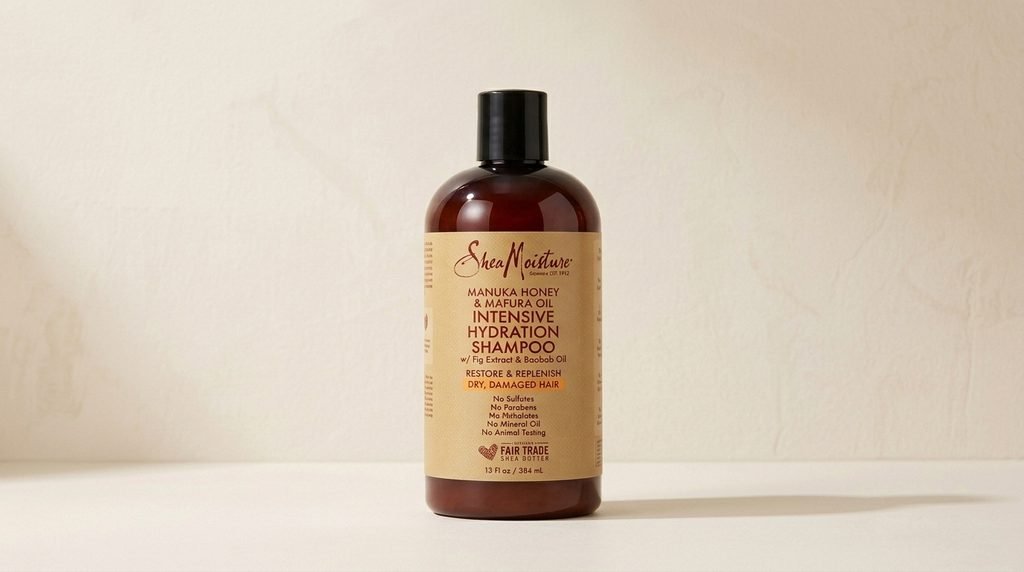
3. SheaMoisture Manuka Honey & Mafura Oil Intensive Hydration Shampoo
SheaMoisture Manuka Honey & Mafura Oil Intensive Hydration Shampoo is a product to consider if your hair tends to feel very dry and benefits from a richer-feeling haircare routine.
People with thick, coarse, curly, or coily hair may find that their lengths need more conditioning than their roots. This can be especially noticeable when hair tangles easily or feels rough after cleansing.
Why Moisture Matters for Dry Hair
Dry hair often needs more than a change in shampoo. A combination of gentle cleansing, conditioner, and occasional deep conditioning may help make strands easier to detangle and style.
SheaMoisture’s Manuka Honey & Mafura Oil range is positioned around intensive hydration. Product formulas and availability can vary by market, so check the label on the exact bottle you purchase.
Who Should Consider It?
This shampoo may be worth considering if:
- Your hair is thick, curly, or coily.
- Your lengths frequently feel dry.
- You prefer a moisture-focused routine.
- Your hair needs additional softness and manageability.
If your hair is fine or your scalp gets oily quickly, use a suitable amount and rinse thoroughly. A richer routine is not automatically better for every hair type.
Best for: People looking for a hydration-focused shampoo, especially for hair that tends to feel very dry.
Image 3 placement: Add the image after the section explaining why dry hair needs moisture. Use the authentic SheaMoisture Manuka Honey & Mafura Oil Intensive Hydration Shampoo bottle against a clean, warm-neutral background.
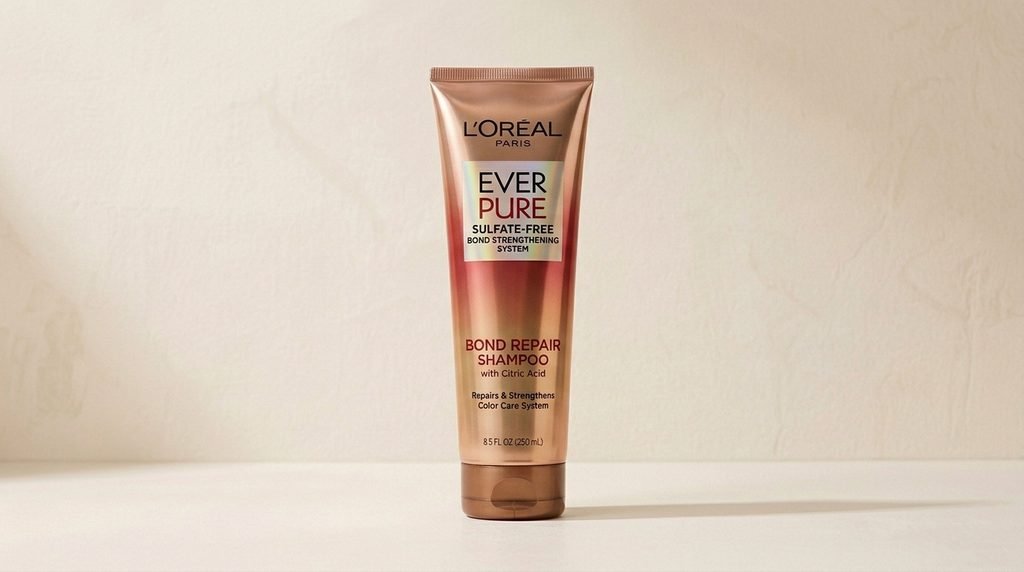
4. L’Oréal Paris EverPure Bond Repair Shampoo
L’Oréal Paris EverPure Bond Repair Shampoo is another option to explore if your haircare priorities include damage-focused cleansing and maintaining a manageable feel.
L’Oréal Paris offers several haircare lines, and product names and availability differ between countries. Before purchasing, confirm the exact EverPure Bond Repair product name on the packaging in your market.
Why Consider a Bond-Repair-Focused Shampoo?
Hair that has been bleached, colored, or repeatedly heat-styled may feel less smooth and more prone to tangling. A product marketed for damaged hair can complement a routine that focuses on gentle washing and conditioning.
However, the term “bond repair” does not mean that a shampoo can completely restore every damaged strand. Be realistic about what cleansing products can do and consider your hair’s condition when evaluating results.
Who May Find It Useful?
Consider this product if:
- Your hair is color-treated or frequently styled.
- You want to explore a damage-focused haircare line.
- You prefer products from a widely available beauty brand.
- You want to pair shampoo with a compatible conditioner or treatment.
Always check whether the exact formula is suitable for your hair type and color-treatment needs.
Best for: People exploring an accessible, damage-focused haircare option.
Image 4 placement: Place the image after the section about chemically treated hair. Show the genuine L’Oréal Paris EverPure Bond Repair Shampoo packaging on a clean white or pale neutral background. Keep the product name readable.
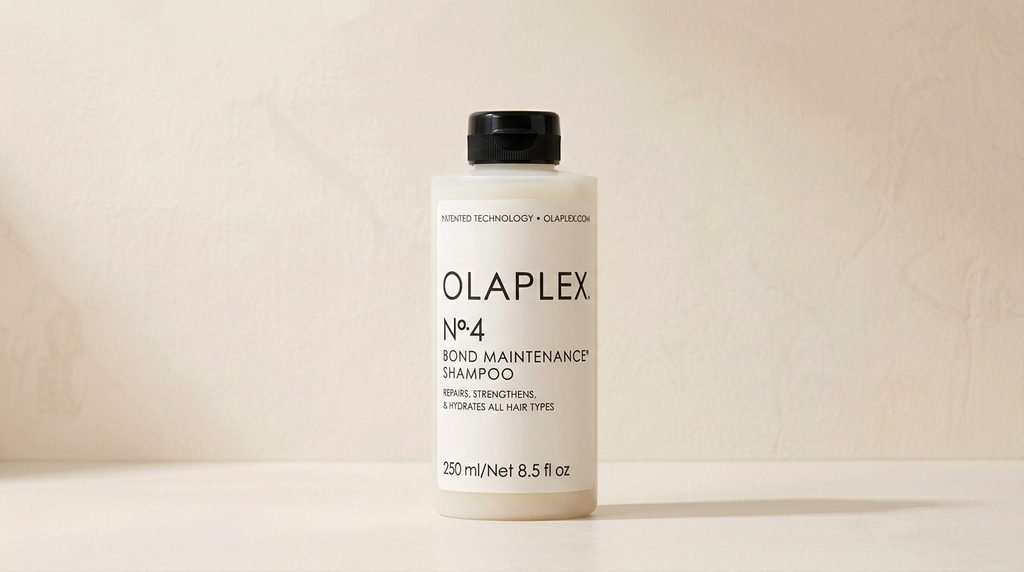
5. Olaplex No. 4 Bond Maintenance Shampoo
Olaplex No. 4 Bond Maintenance Shampoo is designed for use within the Olaplex haircare range. It is an option to consider if your routine focuses on hair that has experienced chemical treatments, frequent styling, or visible damage.
Olaplex is known for products positioned around caring for hair affected by chemical and styling stress. The shampoo should still be viewed as one part of a broader routine rather than a complete solution for every hair concern.
What Should You Know Before Choosing It?
Damaged hair often benefits from several small changes working together. A suitable shampoo, conditioner, gentle detangling, less frequent high-heat styling, and careful handling can all support more manageable hair.
Olaplex No. 4 Bond Maintenance Shampoo may be a good fit for people who want to explore the brand’s maintenance-focused routine. Check the instructions on your bottle and select complementary products based on your hair’s needs.
Who May Like This Shampoo?
It may be worth considering if:
- Your hair is chemically treated.
- You use styling tools regularly.
- Your lengths need help with softness and manageability.
- You want to build a routine around Olaplex haircare products.
People with fine hair should pay attention to whether their overall routine feels too heavy. People with very dry lengths may also need a separate conditioner or mask.
Best for: People who want a maintenance-focused shampoo within a damage-conscious haircare routine.
Image 5 placement: Add the image after the step-by-step shampooing section. Use a genuine Olaplex No. 4 Bond Maintenance Shampoo bottle against a minimal white background with soft natural lighting.
How to Shampoo Dry and Damaged Hair Correctly
Even a suitable shampoo may not deliver the experience you want if your washing technique is too harsh. A few simple adjustments can help reduce unnecessary friction and make wash day easier.
Step 1: Wet Your Hair Thoroughly
Use lukewarm water to wet your scalp and hair. Very hot water can leave some people’s hair and scalp feeling drier or more uncomfortable.
Make sure the roots and lengths are thoroughly wet before applying shampoo.
Step 2: Focus Shampoo on Your Scalp
Apply a suitable amount of shampoo to your scalp rather than concentrating most of it on the ends.
Massage gently with your fingertips. Avoid aggressive scratching or using your nails, particularly if your scalp is sensitive.
As you rinse, the shampoo will travel through the lengths. This is often enough to cleanse the hair without repeatedly rubbing the ends.
Step 3: Rinse Carefully
Rinse thoroughly so that product does not remain on your scalp or hair. If your hair is especially fragile, avoid twisting, pulling, or piling it into a tight bundle while washing.
Step 4: Apply Conditioner to the Lengths
Use a conditioner that suits your hair type, focusing on the mid-lengths and ends unless the product directions recommend otherwise.
Allow it to sit for the recommended time, then rinse as directed. Conditioner can help improve slip, making detangling easier.
Step 5: Handle Wet Hair Gently
Wet hair can be more vulnerable to stretching and mechanical damage. Instead of rubbing it vigorously with a towel, gently squeeze out excess water with a soft towel or cotton T-shirt.
Use a wide-tooth comb or another suitable detangling tool, starting at the ends and working upward.
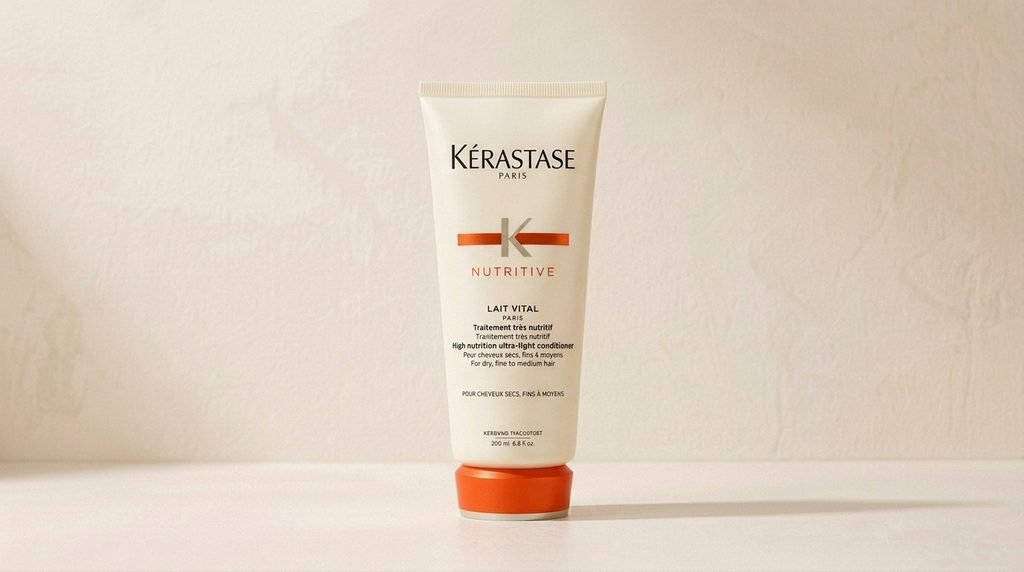
6. Kérastase Nutritive Lait Vital Conditioner
A good shampoo is only one part of a haircare routine. If your hair feels dry after washing, a conditioner can help improve softness, reduce friction, and make detangling easier.
Kérastase Nutritive Lait Vital Conditioner is a complementary product to consider alongside the Nutritive shampoo range.
Why Use a Conditioner?
Shampoo helps cleanse the scalp and remove product buildup, oil, and everyday impurities. Conditioner serves a different purpose: it helps the hair feel smoother and more manageable.
For dry hair, conditioner can be particularly useful because rough or tangled strands are harder to comb without pulling. Reducing friction during detangling may help limit avoidable breakage.
How to Use It
- After shampooing, gently squeeze excess water from your hair.
- Apply conditioner to the mid-lengths and ends.
- Follow the product’s recommended application time.
- Rinse thoroughly unless the label specifies otherwise.
- Detangle gently, beginning at the ends.
If your roots become oily quickly, avoid applying a rich conditioner directly to the scalp unless its instructions recommend it.
Best for: People who want to add a dedicated conditioning step to a routine for dry hair.
Image 6 placement: Insert this image after the section introducing conditioners. Show the authentic Kérastase Nutritive Lait Vital Conditioner bottle beside a neutral towel, with plenty of uncluttered space around the product.
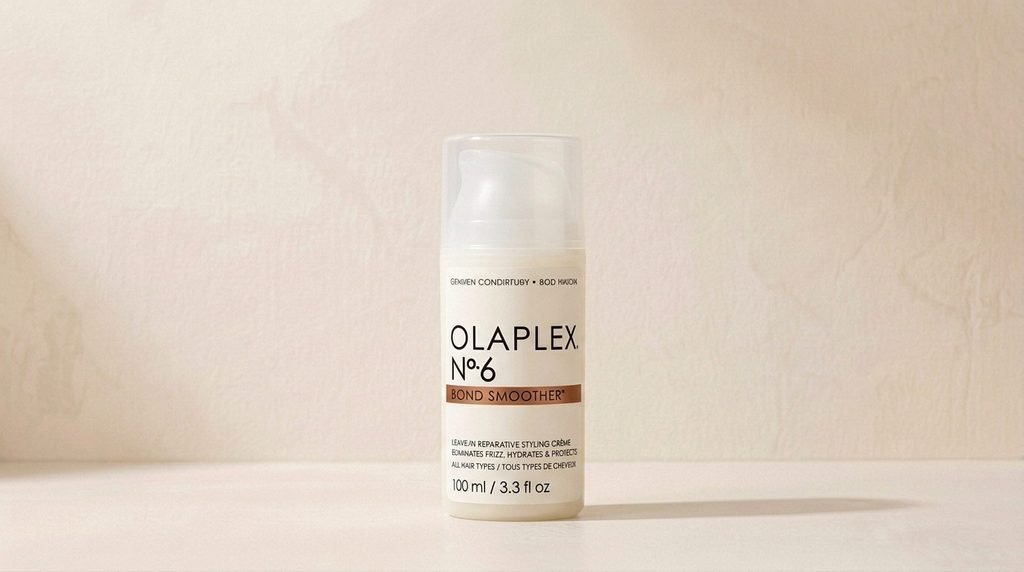
7. Olaplex No. 6 Bond Smoother
Olaplex No. 6 Bond Smoother is a leave-in styling treatment, not a shampoo. It can be considered as an additional step if frizz, flyaways, or difficult-to-manage lengths are among your main concerns.
Leave-in products serve a different purpose from rinse-out shampoos. They remain on the hair after washing, so the amount used and the method of application can influence how your hair feels.
Why Consider a Leave-In Treatment?
Dry or damaged hair may become difficult to style, especially in humid conditions or after frequent heat styling. A leave-in product can help support a smoother-looking finish and improve manageability, depending on your hair type and the product’s directions.
No leave-in treatment can guarantee that breakage will stop completely. If your hair is fragile, use a gentle detangling technique and avoid tight hairstyles that create unnecessary tension.
How to Use It
- Read the product directions before application.
- Start with a small amount.
- Apply to the lengths rather than automatically coating the scalp.
- Adjust the amount according to your hair’s thickness and length.
- If you use heat tools, follow the product’s instructions and use a suitable heat protectant when needed.
Best for: People who want an additional leave-in styling step to help manage frizz and improve the appearance of their hair.
Image 7 placement: Add the image after the section about frizz, tangles, and breakage. Use the genuine Olaplex No. 6 Bond Smoother packaging against a simple cream background. Keep the label and product shape accurate.
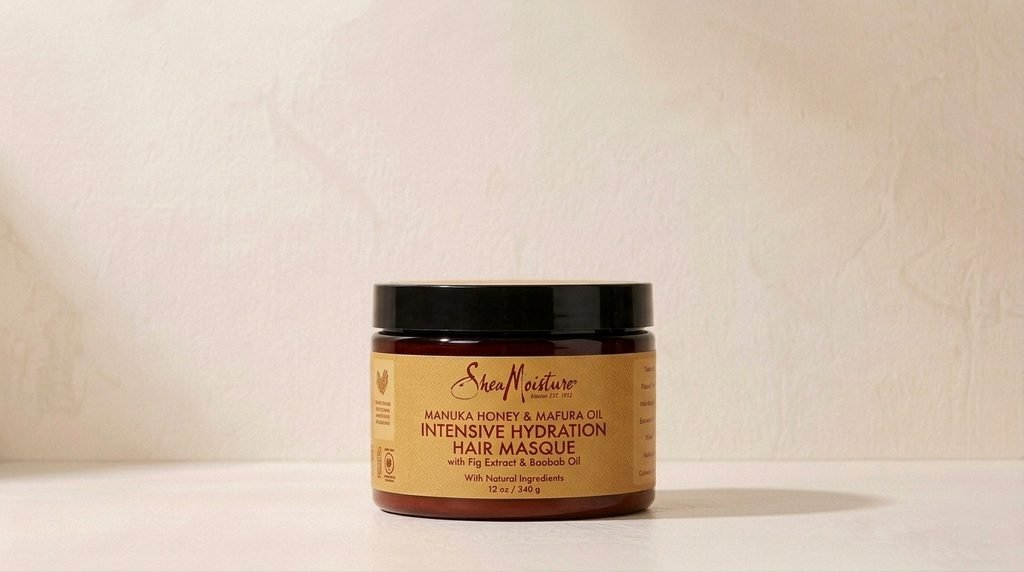
8. SheaMoisture Manuka Honey & Mafura Oil Intensive Hydration Hair Masque
A hair mask can be a useful extra step if your hair feels particularly dry or needs more conditioning than your everyday conditioner provides.
SheaMoisture Manuka Honey & Mafura Oil Intensive Hydration Hair Masque is a moisture-focused product to consider as part of a routine for dry hair. It is a mask, not a shampoo, so use it according to its own directions.
What Can a Hair Mask Do?
Hair masks are generally used as conditioning treatments. Depending on the formula, they may help hair feel softer, smoother, and easier to detangle.
They do not permanently repair split ends or reverse every kind of damage. If your ends are badly split, trimming them may be the most effective way to remove the visibly split portion.
How Often Should You Use a Hair Mask?
The ideal frequency depends on the product instructions and how your hair responds. Some people may benefit from using a mask occasionally, while others may find that their regular conditioner is sufficient.
To incorporate a mask:
- Shampoo your hair as usual.
- Apply the mask according to the package directions.
- Concentrate on the lengths and ends if that is what the label recommends.
- Leave it on for the stated amount of time.
- Rinse thoroughly.
If your hair becomes limp or coated, reduce how much product you use or how often you apply it.
Best for: People who want an occasional conditioning treatment for dry-feeling hair.
Image 8 placement: Place this image before the conclusion. Show the authentic SheaMoisture Manuka Honey & Mafura Oil Intensive Hydration Hair Masque container against a warm, minimal background. Keep the packaging clean and the product name readable.
What Causes Dry and Damaged Hair?
Before selecting the best shampoo for dry and damaged hair, it helps to understand what may be contributing to the problem. Dryness and damage can have several causes, and the most useful routine depends on the underlying factors.
1. Frequent Heat Styling
Hair dryers, straighteners, and curling irons can contribute to dryness and damage, especially when used at high temperatures or without appropriate protection.
Try using lower heat settings where practical, limiting repeated passes with hot tools, and allowing your hair to air-dry when convenient.
2. Bleaching and Coloring
Chemical treatments can alter the hair’s structure and leave it more fragile. Bleached hair may become rough, tangle more easily, or break during brushing.
Choose products that suit chemically treated hair, follow professional aftercare advice when relevant, and avoid unnecessary overlapping chemical treatments.
3. Harsh Handling
Aggressive brushing, rubbing wet hair with a towel, and pulling through tangles can create mechanical stress.
Use a gentle detangling technique, start at the ends, and avoid forcing a comb through knots.
4. Environmental Exposure
Sun exposure, wind, dry air, and swimming can affect how hair feels and behaves. The impact varies depending on your hair type and exposure.
Protective styling, rinsing after swimming, and using suitable conditioning products may help support manageability.
5. An Unsuitable Haircare Routine
A shampoo that does not suit your scalp or hair type may leave your hair feeling uncomfortable, coated, or excessively dry.
Review your routine if your hair consistently feels worse after washing. You may need a different cleansing formula, a conditioner, less product, or a change in washing frequency.
Ingredients to Look for in Shampoo for Dry Hair
Reading a shampoo label can help you understand whether a formula matches your priorities. The complete formula matters more than any single ingredient, and ingredients can behave differently depending on how they are combined.
Conditioning Ingredients
Some formulas include conditioning agents that help improve softness and reduce friction. These can be helpful when hair tangles easily or feels rough after washing.
Humectants
Ingredients such as glycerin can attract and retain moisture under suitable conditions. The result depends on the full formulation and the environment.
Oils and Emollients
Some haircare products include oils or emollient ingredients to help hair feel smoother and more conditioned. Richer formulas may suit thick or coarse hair, while fine hair may need a lighter product.
Cleansing Agents
Different shampoos use different cleansing systems. A strong cleanser is not automatically bad, and a gentle cleanser is not automatically right for everyone. The best choice depends on your scalp, styling products, washing frequency, and hair type.
If you have scalp irritation or a persistent scalp condition, choosing a shampoo may require a different approach from choosing a product for dry hair lengths alone.
How to Choose the Best Shampoo for Your Hair Type
There is no single shampoo that works best for every person. Use your hair type and main concern as a starting point.
For Fine, Dry Hair
Choose a formula that cleanses comfortably without leaving your roots weighed down. Apply conditioner mainly to the lengths and use rich masks sparingly until you understand how your hair responds.
For Thick or Coarse Hair
You may prefer a more conditioning routine, particularly if your lengths feel rough or become tangled easily. Consider a moisture-focused shampoo and a conditioner that provides enough slip for gentle detangling.
For Curly or Coily Hair
Curly and coily hair can be prone to tangling and dryness. A routine that combines suitable cleansing with conditioning and careful detangling may help improve manageability.
For Color-Treated Hair
Look for products labeled as suitable for color-treated hair, and follow the advice of your stylist if you have recently bleached or chemically treated your hair.
For Heat-Damaged Hair
Consider a shampoo for damaged hair, but also review your styling habits. Lower heat, fewer repeated passes, gentle brushing, and regular conditioning can be important parts of your routine.
Common Mistakes to Avoid When Washing Dry and Damaged Hair
Even expensive products may not be a good fit if your routine creates unnecessary friction or buildup.
Washing With Very Hot Water
Very hot water can make some hair and scalp types feel drier or more uncomfortable. Try lukewarm water and see whether your hair feels better afterward.
Applying Too Much Shampoo to the Ends
Focus on cleansing the scalp. Avoid repeatedly scrubbing the ends, especially if they are already fragile.
Skipping Conditioner
Shampoo and conditioner have different functions. If your lengths feel dry or tangle easily, skipping conditioner may make detangling more difficult.
Using Too Many Products at Once
Adding several masks, leave-ins, oils, and styling products at the same time can make it difficult to identify what works. Introduce products gradually and adjust according to your hair’s response.
Expecting Shampoo to Repair Split Ends
Shampoo may improve the feel and appearance of hair, but it cannot fuse split ends permanently. A trim may be needed for visibly split ends, while gentler handling can help reduce future mechanical damage.
A Simple Haircare Routine for Dry and Damaged Hair
You do not need a complicated routine to care for dry hair. Start with a few suitable products and make changes according to your results.
Wash day
- Wet your hair thoroughly with lukewarm water.
- Massage a suitable shampoo into your scalp.
- Rinse completely.
- Apply conditioner to your lengths and ends.
- Detangle gently and rinse as directed.
After washing
- Gently squeeze out excess water.
- Avoid rough towel drying.
- Apply a suitable leave-in treatment if your hair needs extra manageability.
- Use a heat protectant before heat styling when appropriate.
- Keep heat exposure and tight hairstyles to a minimum when possible.
Occasional care
Use a hair mask if your hair needs more conditioning than your regular conditioner provides. Follow the product instructions rather than assuming that using more product will produce better results.
Final Thoughts
Choosing the best shampoo for dry and damaged hair starts with understanding what your hair needs. Kérastase Nutritive Bain Satin Shampoo may appeal to people looking for a premium option for dry hair, while Redken Acidic Bonding Concentrate Shampoo and Olaplex No. 4 Bond Maintenance Shampoo are options to explore for damage-focused routines. SheaMoisture Manuka Honey & Mafura Oil Intensive Hydration Shampoo may suit those looking for a moisture-focused product, and L’Oréal Paris EverPure Bond Repair Shampoo is another option to check for local availability.
Remember that Kérastase Nutritive Lait Vital is a conditioner, Olaplex No. 6 Bond Smoother is a leave-in treatment, and SheaMoisture Manuka Honey & Mafura Oil Intensive Hydration Hair Masque is a hair mask. These products serve different purposes and should not be treated as shampoos.
The best results usually come from a consistent routine: cleanse your scalp gently, condition your lengths, detangle carefully, and reduce unnecessary heat and chemical stress. Choose products that suit your hair type, check the exact packaging available in your market, and give your routine time to show whether it improves softness and manageability.
Healthy-looking hair does not require an endless collection of products. A few well-chosen products and gentle habits can make your haircare routine simpler and more effective.