
Introduction
As the weather becomes cooler, your skin may start feeling tight, rough, flaky, or uncomfortable, even if your usual skincare products worked perfectly well during warmer months. Cold air, low humidity, hot showers, indoor heating, and harsh cleansers can contribute to moisture loss, leaving your complexion looking dull and feeling less comfortable.
The good news is that an effective winter skincare routine does not require a shelf full of expensive products. The right combination of gentle cleansing, consistent moisturization, and daily sun protection can help your skin retain moisture and maintain a healthy appearance throughout the colder months.
Whether you have naturally dry skin, combination skin, or an oily complexion that becomes dehydrated in winter, adjusting your routine can make a meaningful difference. In this guide, you will learn how to build a winter skincare routine for dry skin, which ingredients to look for, what habits to avoid, and how to keep your skin soft and comfortable throughout the season.
Table of Contents
- Why Does Skin Become Dry in Winter?
- The Best Winter Skincare Routine for Dry Skin
- Best Skincare Ingredients for Winter
- Winter Skincare Tips for Different Skin Types
- Common Winter Skincare Mistakes to Avoid
- How to Keep Your Skin Hydrated Throughout the Day
- Frequently Asked Questions
- Conclusion
1. Why Does Skin Become Dry in Winter?
Winter can change the way your skin feels and responds to skincare products. Reduced humidity, indoor heating, and frequent exposure to hot water may contribute to dryness and irritation.
Your skin has a natural protective barrier that helps retain moisture and protect it from environmental irritants. When this barrier becomes disrupted, water escapes more easily, and your skin may feel tight, rough, or sensitive.
Common signs of winter dryness include:
- Flaky or rough patches.
- Tightness after washing your face.
- Increased sensitivity to skincare products.
- Dry lips and rough hands.
- Dull-looking skin.
- Fine lines that appear more noticeable when the skin is dehydrated.
Not everyone experiences these changes in the same way. People with eczema, sensitive skin, or naturally dry skin may need additional care during colder weather.
The goal of a winter skincare routine is to support the skin barrier, reduce unnecessary irritation, and maintain comfortable hydration.
2. The Best Winter Skincare Routine for Dry Skin
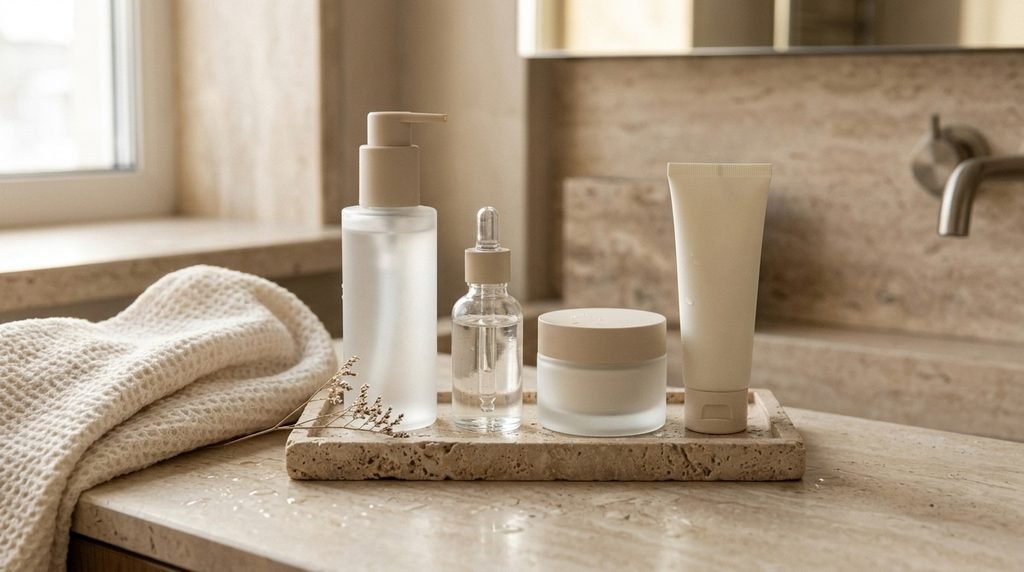
A simple morning and evening routine can help you maintain hydrated skin without overwhelming it with too many products.
Morning Skincare Routine
Step 1: Cleanse Gently
Start your morning with a gentle facial cleanser that removes overnight oil and residue without leaving your skin feeling stripped.
Choose a fragrance-free cleanser designed for dry or sensitive skin. Cream and lotion cleansers may feel more comfortable than strong foaming formulas.
If your skin is extremely dry, you may find that rinsing with lukewarm water in the morning is sufficient. Choose the approach that suits your skin and cleansing needs.
Avoid hot water because it can worsen dryness and irritation.
Step 2: Apply a Hydrating Serum
A hydrating serum can help improve the appearance of dehydrated skin.
Look for ingredients such as:
- Hyaluronic acid, which attracts and holds water.
- Glycerin, a humectant that helps the skin retain moisture.
- Panthenol, which supports hydration and skin comfort.
Apply the serum according to its instructions. If it works well for your skin, applying it to slightly damp skin before moisturizer can help support hydration.
A serum is optional, however. A suitable moisturizer may be enough if you prefer a minimalist routine.
Step 3: Use a Moisturizer
Moisturizer is one of the most important steps in winter skincare.
Choose a formula that matches your skin type and leaves your skin feeling comfortable rather than greasy or tight.
Ingredients worth considering include ceramides, glycerin, petrolatum, and dimethicone. These ingredients help support moisture retention through different mechanisms.
Cream-based moisturizers are often useful for dry skin because they may contain a richer combination of moisturizing ingredients than lightweight lotions.
Apply your moisturizer after cleansing and serum, if you use one.
Step 4: Apply Sunscreen
Sunscreen remains essential during winter, even when the weather is cloudy or cool.
Choose a broad-spectrum sunscreen with SPF 30 or higher. Apply it generously to exposed skin, including your face, ears, neck, and other uncovered areas.
Reapply approximately every two hours when outdoors and after swimming, sweating, or towel-drying, following the product instructions.
If sunscreen makes your skin feel dry, try a moisturizing formula designed for dry or sensitive skin.
Evening Skincare Routine
Step 1: Remove Makeup and Sunscreen
At the end of the day, remove makeup, sunscreen, dirt, and excess oil.
A gentle cleanser is usually sufficient. If you wear long-wearing makeup or water-resistant sunscreen, you may prefer an appropriate cleansing oil or balm followed by a gentle cleanser.
Avoid rubbing your face aggressively with towels or cleansing cloths.
Step 2: Apply Treatment Products Only If Needed
Winter is not necessarily the time to add several new active ingredients to your routine.
If you already use ingredients such as retinol, salicylic acid, or exfoliating acids, pay attention to how your skin responds as the weather changes.
If irritation, peeling, or persistent stinging develops, reduce or temporarily stop irritating products and focus on gentle cleansing and moisturization. Seek professional advice if symptoms persist.
You do not need multiple serums to achieve comfortable, hydrated skin.
Step 3: Apply a Richer Moisturizer
Use a moisturizer that helps prevent overnight moisture loss.
For very dry areas, a small amount of a suitable ointment containing petrolatum may help protect the skin. People who are prone to clogged pores may prefer a lighter, non-comedogenic formula.
Apply moisturizer consistently rather than waiting until your skin becomes visibly flaky.
Step 4: Care for Your Lips and Hands
Your lips and hands can become especially dry during winter.
Use a simple lip balm, particularly before bedtime and when spending time outdoors. Apply hand cream after washing your hands and whenever they feel dry.
If your hands become irritated from frequent washing, consider a fragrance-free cream or ointment.
3. Best Skincare Ingredients for Winter
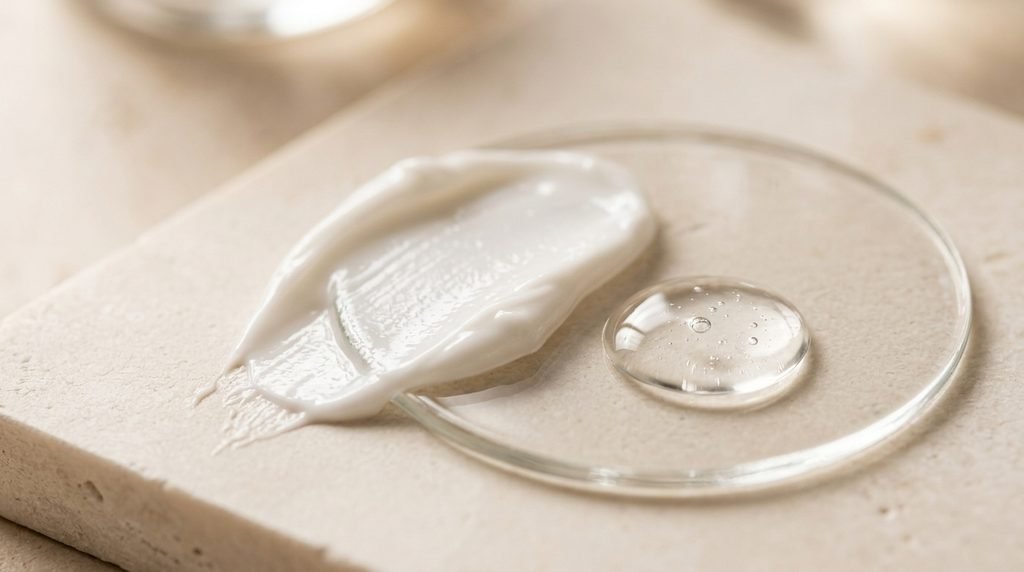
Choosing products by their ingredients can help you create a more effective winter routine.
Ceramides
Ceramides are lipids naturally found in the skin barrier. Moisturizers containing ceramides can help support the barrier and reduce moisture loss.
They are worth considering if your skin feels dry, tight, or easily irritated.
Hyaluronic Acid
Hyaluronic acid is a humectant that attracts water and helps improve skin hydration.
It can be useful for skin that looks dehydrated or feels tight. Pairing a hydrating serum with moisturizer helps create a routine that addresses hydration and moisture retention.
Glycerin
Glycerin is a widely used humectant that helps draw water into the outer layers of the skin.
It is suitable for many skin types and is commonly found in cleansers, lotions, and creams.
Petrolatum
Petrolatum is an occlusive ingredient that helps reduce water loss from the skin.
It can be particularly useful for very dry patches, rough hands, and chapped lips. Because it creates a protective layer, some people prefer using it on selected areas rather than across the entire face.
Niacinamide
Niacinamide, a form of vitamin B3, may help support the skin barrier and improve the appearance of uneven skin tone.
It is available in many moisturizers and serums. If your skin is sensitive, begin with a well-formulated product and introduce it gradually.
Remember that a product’s complete formulation matters more than choosing an ingredient simply because it is popular.
4. Winter Skincare Tips for Different Skin Types
Your winter routine should reflect your skin’s individual needs.
Dry Skin
Dry skin usually benefits from a richer cream moisturizer, gentle cleansing, and consistent use of products that help prevent moisture loss.
Avoid unnecessarily hot showers, harsh scrubs, and products that leave your face feeling tight.
Oily Skin
Oily skin can still become dehydrated in winter.
Choose a lightweight lotion or gel-cream moisturizer that provides sufficient hydration without feeling excessively heavy. Continue cleansing gently instead of trying to remove every trace of oil.
Over-cleansing may irritate your skin without solving the underlying dryness.
Combination Skin
Combination skin may need different textures for different areas of the face.
You could use a lightweight moisturizer on oilier areas and apply a richer cream to dry cheeks or other rough patches.
Adjust the amount of product according to how your skin feels rather than following a rigid routine.
Sensitive Skin
Sensitive skin often benefits from a shorter routine with fragrance-free products.
Avoid introducing several new products at once. Test new skincare products on a small area according to their instructions before using them more widely.
If your skin frequently burns, itches, or develops rashes, consult a dermatologist to identify possible triggers.
5. Common Winter Skincare Mistakes to Avoid
Some everyday habits can make winter dryness worse.
Taking long, hot showers: Hot water can strip the skin’s natural oils. Choose short showers with lukewarm water instead.
Over-exfoliating: Frequent scrubbing or excessive use of exfoliating acids may irritate the skin barrier. Reduce exfoliation if your skin becomes dry, flaky, or sensitive.
Skipping moisturizer: Cleansing without following up with moisturizer can leave dry skin feeling uncomfortable. Apply moisturizer while your skin is slightly damp when practical.
Using too many active ingredients: Combining several strong treatments may increase irritation. Introduce new products gradually and avoid unnecessary layering.
Ignoring sunscreen: UV exposure does not disappear in winter. Continue using broad-spectrum sunscreen as part of your morning routine.
Following every viral skincare trend: A product that works for someone else may not suit your skin. Prioritize established skincare basics over complicated routines and unsupported claims.
6. How to Keep Your Skin Hydrated Throughout the Day
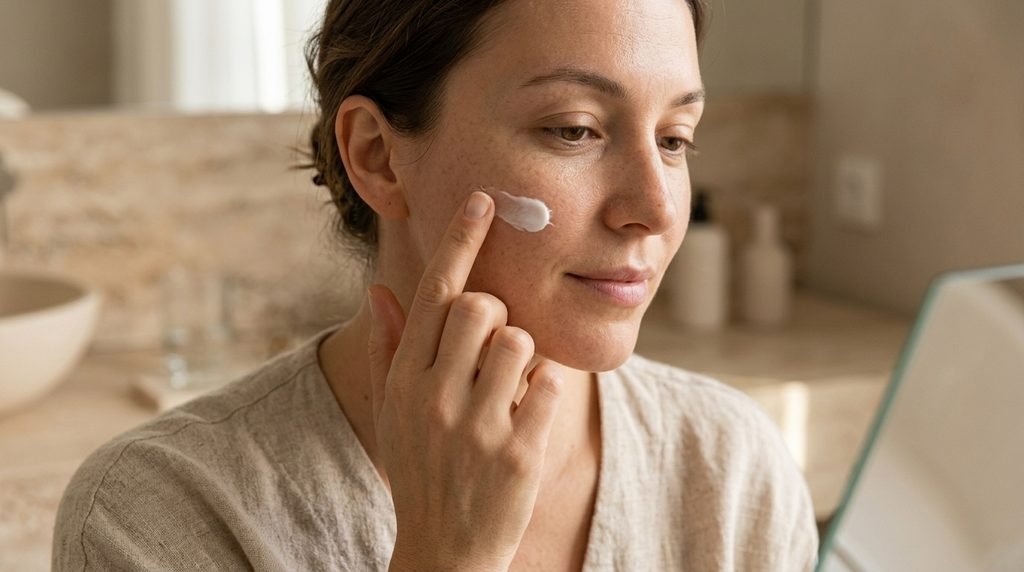
Your daily habits can complement your skincare products.
- Use a humidifier if indoor heating makes the air particularly dry.
- Keep showers short and use lukewarm rather than hot water.
- Apply moisturizer after washing your face and hands.
- Drink fluids regularly according to your needs.
- Protect exposed skin from cold wind with suitable clothing.
- Avoid fragranced products if they trigger irritation.
- Keep a lip balm and hand cream available when you are outdoors.
- Change products gradually instead of replacing your entire routine at once.
You do not need to follow every skincare trend or purchase expensive products to maintain healthy-looking skin. Consistency and suitable product selection are more important than the number of steps in your routine.
If dryness continues despite these changes, or you develop painful cracks, significant redness, severe itching, or a persistent rash, consult a qualified healthcare professional. These symptoms may indicate a skin condition that needs specific treatment.
7. Frequently Asked Questions
What is the best winter skincare routine for dry skin?
A practical routine includes gentle cleansing, a hydrating product if needed, a moisturizer suited to your skin, and broad-spectrum sunscreen in the morning. In the evening, remove makeup and sunscreen gently and apply moisturizer to support overnight moisture retention.
Which moisturizer is best for dry skin in winter?
Look for a moisturizer containing ingredients such as ceramides, glycerin, petrolatum, or dimethicone. Creams and ointments may suit very dry skin, while lighter lotions may be more comfortable for combination or oily skin.
Should I use hyaluronic acid in winter?
Yes, if it suits your skin. Hyaluronic acid helps attract water and can support hydration. Pairing it with an appropriate moisturizer may help reduce moisture loss and improve skin comfort.
Do I need sunscreen during winter?
Yes. Broad-spectrum sunscreen with SPF 30 or higher helps protect your skin from ultraviolet radiation throughout the year. Reapply as directed, particularly when spending extended periods outdoors.
How often should I exfoliate dry skin in winter?
There is no single schedule that suits everyone. If your skin is dry or sensitive, minimize exfoliation and avoid scrubs or acids that cause irritation. Stop exfoliating temporarily if your skin becomes sore, flaky, or persistently irritated.
Can oily skin become dry during winter?
Yes. Oily skin can experience dehydration or irritation during colder weather. Use a gentle cleanser and a suitable lightweight moisturizer rather than trying to remove all the skin’s natural oil.
How can I prevent flaky skin during winter?
Use lukewarm water, a gentle cleanser, and a moisturizer that helps retain moisture. Avoid aggressive exfoliation and apply moisturizer consistently. Persistent or severe flaking may require professional assessment.
Is a separate winter skincare routine necessary?
Not always. Many people can maintain their existing routine with a few adjustments, such as using a richer moisturizer or reducing irritating treatments. Make changes according to your skin’s needs and the conditions you experience.
8. Conclusion
A successful winter skincare routine for dry skin starts with a few dependable habits: gentle cleansing, suitable moisturization, daily sun protection, and avoiding unnecessary irritation.
Ceramides, glycerin, hyaluronic acid, and petrolatum can each play a useful role in a winter skincare routine, depending on your skin type and the product formulation. You do not need to use every ingredient or follow a complicated multistep regimen.
Pay attention to how your skin feels, introduce new products gradually, and adjust your routine when the weather changes. With consistent care, you can help maintain comfortable, hydrated skin throughout winter.
Editorial note: This article provides general skincare information and does not replace personalized medical advice.