
Introduction
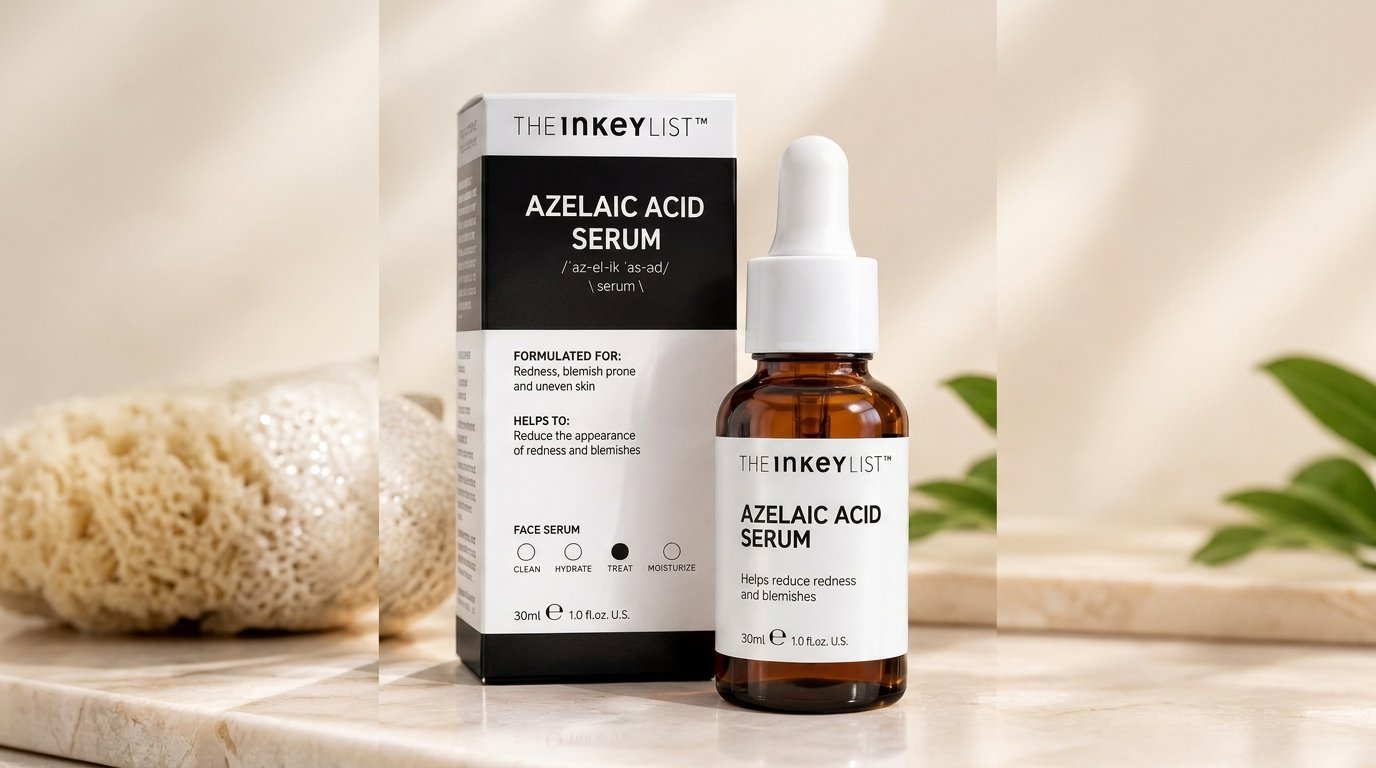
If you are looking for a skincare ingredient that can help improve the appearance of acne, dark spots, uneven skin tone, and redness, azelaic acid serum may be worth considering. This versatile ingredient is used in skincare products and dermatological treatments because it offers several potential benefits for blemish-prone and uneven-looking skin.
Unlike a routine that relies on multiple strong active ingredients, azelaic acid can help address several skin concerns with one targeted product. It has anti-inflammatory and antimicrobial properties and can influence processes involved in acne and pigmentation.
However, choosing the right formulation and using it consistently are essential. Different products contain different concentrations, and stronger formulations are not necessarily better for everyone. Your skin type, existing skincare routine, and sensitivity can all influence how well you tolerate this ingredient.
In this guide, you will learn what azelaic acid serum does, its main benefits, how to apply it, which ingredients work well alongside it, and what to consider before buying a product. You will also discover a simple morning and evening skincare routine, tips for sensitive skin, and answers to frequently asked questions.
Table of Contents
- What Is Azelaic Acid Serum?
- How Does Azelaic Acid Work?
- Key Benefits of Azelaic Acid Serum
- Who Should Use Azelaic Acid Serum?
- How to Choose the Right Azelaic Acid Serum
- How to Use Azelaic Acid Serum Correctly
- Azelaic Acid Serum in a Morning Skincare Routine
- Azelaic Acid Serum in an Evening Skincare Routine
- Ingredients That Pair Well With Azelaic Acid
- Ingredients to Introduce Carefully
- Possible Side Effects and Precautions
- How Long Does Azelaic Acid Serum Take to Work?
- Common Mistakes to Avoid
- Frequently Asked Questions
- Final Thoughts
1. What Is Azelaic Acid Serum?
Azelaic acid is a dicarboxylic acid used in skincare and dermatology. It has properties that may help reduce inflammation, address acne-related concerns, and improve certain types of skin discoloration.
Although azelaic acid occurs naturally in grains such as barley, wheat, and rye, skincare products use formulated versions designed for topical application.
An azelaic acid serum is a leave-on skincare product containing this ingredient. Depending on the formulation, it may be designed to support acne-prone skin, improve the appearance of post-acne marks, or address uneven skin tone.
Azelaic acid is also available in creams, gels, and foams. Some formulations are available without a prescription, depending on the country, while stronger or specific medicinal preparations may require professional guidance.
Azelaic Acid Serum vs. Other Skincare Products
Azelaic acid is different from many other ingredients described as exfoliating acids.
Salicylic acid is oil-soluble and commonly used to help unclog pores. Glycolic acid is an alpha-hydroxy acid that exfoliates the skin’s surface. Azelaic acid works through several mechanisms, including anti-inflammatory activity and effects on processes involved in acne and pigmentation.
This makes it an interesting option for people who want to address more than one skin concern with a single active ingredient.
However, it is not a universal solution. Persistent acne, significant rosacea, melasma, or severe irritation may require a dermatologist’s assessment.
2. How Does Azelaic Acid Work?
Azelaic acid has several effects that explain its use in skincare.
It Helps Address Acne-Related Bacteria
Azelaic acid has antimicrobial activity against certain microorganisms associated with acne. This is one reason topical azelaic acid is used in acne treatment.
It also affects processes involved in the development of clogged pores, which can contribute to blemishes.
It Helps Calm Inflammation
Inflammation plays a role in many visible skin concerns, including inflamed pimples and some symptoms of rosacea.
Azelaic acid’s anti-inflammatory properties may help reduce the appearance of inflammatory lesions over time. Results vary according to the skin condition, product formulation, and individual response.
It Supports More Even-Looking Skin Tone
One reason azelaic acid is popular for uneven skin tone is its effect on tyrosinase, an enzyme involved in melanin production.
By influencing this process, azelaic acid may help improve certain types of hyperpigmentation, including dark marks that remain after acne.
It does not bleach normal skin, and it should not be expected to remove every type of pigmentation. Persistent or changing dark patches should be evaluated by a qualified healthcare professional.
3. Key Benefits of Azelaic Acid Serum
The main advantage of azelaic acid serum is that it can address several related skin concerns without requiring a separate active ingredient for each one.
Benefit 1: Helps Improve the Appearance of Acne
Azelaic acid can be useful for acne-prone skin, particularly when blemishes are accompanied by inflammation and post-acne discoloration.
It may help reduce inflammatory spots and support clearer-looking skin when used consistently. It is not guaranteed to prevent every breakout, and the best treatment depends on the type and severity of acne.
If you have deep, painful, or scarring acne, consult a dermatologist rather than relying on a cosmetic serum alone.
Benefit 2: Helps Fade Post-Acne Marks
After a pimple heals, the affected area can remain darker than the surrounding skin. This is known as post-inflammatory hyperpigmentation.
These marks can be especially noticeable in medium to deep skin tones. Azelaic acid may help them gradually become less visible by influencing pigment production.
The process takes time. Avoid picking at blemishes, use sunscreen regularly, and remember that persistent pigmentation may require a more individualized treatment plan.
Benefit 3: Supports a More Even Complexion
Uneven pigmentation can result from acne, sun exposure, hormonal changes, and other factors.
Azelaic acid may help improve certain types of discoloration, but not every dark spot has the same cause. If pigmentation is new, changing, unusually shaped, or persistent, seek professional advice before treating it with skincare products.
Benefit 4: May Help With Rosacea-Related Bumps
Prescription azelaic acid formulations are used to treat inflammatory bumps associated with rosacea. Some people may also notice improvement in the appearance of persistent redness, although the response varies.
Rosacea-prone skin can be sensitive, so the formulation, concentration, and frequency of application matter.
If your skin flushes easily, feels hot, or reacts to multiple products, introduce new skincare cautiously and seek a dermatologist’s advice when symptoms persist.
Benefit 5: Can Suit Some Sensitive-Skin Routines
Azelaic acid is often considered by people who want to manage blemishes and uneven tone without immediately adding several exfoliating products.
That does not mean it is irritation-free. Some people experience stinging, burning, dryness, or redness, particularly when starting treatment.
A gentle cleanser, a fragrance-free moisturizer, and gradual introduction can make a routine easier to tolerat
4. Who Should Use Azelaic Acid Serum?
Azelaic acid serum may be worth considering if your skincare goals include:
- Managing mild acne-related concerns.
- Improving the appearance of post-acne marks.
- Supporting a more even-looking complexion.
- Addressing certain forms of hyperpigmentation.
- Building a routine that targets blemishes and discoloration together.
People with oily, combination, normal, or some sensitive skin types may find a suitable formulation. The key is choosing a product that matches your needs and tolerability rather than assuming one concentration works for everyone.
What About Dry or Very Sensitive Skin?
Dry skin may tolerate azelaic acid better when the formula is paired with moisturizing ingredients and introduced gradually.
Very sensitive skin, eczema-prone skin, or skin with a damaged barrier may react more strongly. In those cases, focus on restoring comfort and hydration before introducing another active ingredient.
If you have ongoing redness, burning, or unexplained irritation, get professional advice before starting treatment.
5. How to Choose the Right Azelaic Acid Serum
Shopping for azelaic acid serum can be confusing because products differ in concentration, texture, supporting ingredients, and intended use.
Understand the Concentration
Common cosmetic products may contain around 10% azelaic acid, while medicinal formulations often use concentrations such as 15% or 20%, depending on the formulation and indication.
Higher concentrations are not automatically better for every person. A stronger product may be more irritating, and prescription treatments should be used according to a healthcare professional’s directions.
Check the full product label rather than relying on the front of the packaging.
Choose a Suitable Texture
Consider how a product fits into your routine.
- Lightweight serum: May suit people who prefer a thin, easily layered texture.
- Cream: May feel more comfortable for dry skin, depending on its ingredients.
- Gel: Often provides a lighter finish, although the precise feel varies by formula.
- Prescription formulation: May be more appropriate for diagnosed acne or rosacea and should be used as directed.
These are general texture considerations, not guarantees. A gel can still be irritating, and a cream can still feel heavy on some skin types.
Look at Supporting Ingredients
A formula containing glycerin, hyaluronic acid, panthenol, or other moisturizing ingredients may complement a routine focused on comfort and hydration.
If you are sensitive to fragrance or particular preservatives, review the ingredient list carefully.
Buy From a Reliable Retailer
Choose products from reputable sellers and check the packaging, expiration date, and manufacturer’s instructions. Avoid products that make unrealistic claims, such as guaranteeing perfectly clear skin overnight.
If you are considering a prescription-strength product, speak to a qualified healthcare professional about whether it is suitable for you.
6. How to Use Azelaic Acid Serum Correctly
The best application routine is one you can follow consistently without irritating your skin.
Step 1: Cleanse Gently
Wash your face with a mild cleanser that removes dirt, excess oil, and makeup without leaving your skin tight or uncomfortable.
Avoid harsh scrubs and strong cleansing products if your skin is already irritated.
Step 2: Dry Your Skin as Directed
Some products are intended for dry skin, while instructions may vary between formulations. Follow the product label or your prescriber’s directions.
If you are prone to stinging, applying the product to completely dry skin may feel more comfortable than applying it immediately after washing.
Step 3: Apply a Small Amount
Use the amount recommended by the manufacturer or your healthcare professional. Spread a thin, even layer over the intended treatment area.
Avoid the eyes, lips, inside of the nose, and broken or irritated skin unless a healthcare professional specifically directs otherwise.
More product does not mean faster results.
Step 4: Allow the Product to Settle
Let the serum dry before applying other skincare products. If the formula pills, try using smaller amounts and allowing each layer to settle before adding the next.
Step 5: Moisturize
Apply a moisturizer suited to your skin type. Ingredients such as glycerin and ceramides can help support hydration and the skin barrier.
Step 6: Use Sunscreen During the Day
Finish your morning routine with broad-spectrum sunscreen of SPF 30 or higher. Sunscreen helps protect against UV-related skin damage and can reduce the likelihood that pigmentation becomes more noticeable.
How Often Should You Apply It?
Follow the specific product instructions. Some topical medicinal formulations are used once or twice daily, while a cosmetic serum may have different directions.
If you are new to azelaic acid or have sensitive skin, consider starting on alternate evenings or a few times a week if the product instructions permit. Increase frequency gradually only if your skin tolerates it.
Do not increase the dose or frequency of a prescription treatment without consulting your prescriber.
A Simple Morning Routine
1. Gentle cleanser
Use a mild cleanser or rinse with water if that is sufficient for your skin.
2. Azelaic acid serum
Apply it according to the product directions and your skin’s tolerance. If you are new to the ingredient, introduce it gradually.
3. Moisturizer
Choose a lightweight lotion for skin that tends to feel oily or a richer cream if your skin is dry.
4. Sunscreen
Use broad-spectrum SPF 30 or higher. Apply enough to cover exposed skin and reapply as directed, especially after sweating, swimming, or prolonged outdoor exposure.
Can You Wear Makeup Over It?
Yes, makeup can generally be applied once the product has dried and your skin feels comfortable. If foundation pills or separates, use less product, allow more time between layers, and avoid combining too many rich or film-forming products.
If makeup application causes burning or visible irritation, simplify the routine rather than covering the reaction with more products
8. Azelaic Acid Serum in an Evening Skincare Routine
Evening skincare is an opportunity to cleanse away sunscreen, makeup, and the day’s buildup before applying treatment.
A Simple Evening Routine
1. Remove makeup and sunscreen
Use a suitable makeup remover or cleansing oil if needed, followed by a gentle cleanser. Avoid aggressive rubbing.
2. Apply azelaic acid serum
Use the product according to its directions. If you are beginning treatment, avoid introducing multiple new active ingredients at the same time.
3. Apply moisturizer
Finish with a moisturizer that helps maintain comfort and hydration. If your skin feels tight, flaky, or irritated, consider reducing active treatments and focusing on barrier support.
What If Your Skin Is Easily Irritated?
You may prefer to use azelaic acid on selected evenings rather than every night, provided this is consistent with the product’s instructions. Another option is to ask a dermatologist whether applying moisturizer before treatment would suit your formulation and skin condition.
Avoid trying to push through significant burning, swelling, or persistent redness. These symptoms are a reason to stop and seek medical guidance.
9. Ingredients That Pair Well With Azelaic Acid
Azelaic acid can fit into a routine with other skincare ingredients, but the best combinations depend on your skin type, the strength of each product, and your overall treatment plan.
Niacinamide
Niacinamide is commonly used to support the skin barrier and improve the appearance of uneven tone. Many people can use it alongside azelaic acid, especially when both products are well tolerated.
Introduce each ingredient separately if your skin is reactive so you can identify the source of irritation.
Hyaluronic Acid
Hyaluronic acid is a humectant that helps attract and retain water in the skin’s outer layers. A hydrating serum may complement azelaic acid if your skin feels dry or tight.
Apply products according to their labels and finish with a suitable moisturizer.
Ceramides
Ceramides are lipids found naturally in the skin barrier. Moisturizers containing ceramides can help support the barrier and reduce the feeling of dryness associated with some skincare treatments.
Vitamin C
Vitamin C is used in skincare for antioxidant support and uneven-tone concerns. It may be compatible with azelaic acid, but some vitamin C formulas, particularly low-pH products, can sting or irritate sensitive skin.
If your skin is easily irritated, use the products at different times of day or introduce one before the other.
Moisturizer and Sunscreen
These are useful foundations for a routine that includes an active ingredient. A moisturizer helps maintain comfort, while sunscreen supports protection against UV damage that can worsen discoloration.
10. Ingredients to Introduce Carefully
Combining several active ingredients may seem like a shortcut to faster results, but it can make a routine harder to tolerate.
Retinoids
Retinoids are used for acne, texture, and other skin concerns. Some treatment plans include a retinoid and azelaic acid, but the combination can increase irritation for some people.
If you already use a retinoid, introduce azelaic acid cautiously and consider professional advice about timing and frequency.
If you are pregnant or planning pregnancy, ask your healthcare professional to review your routine, particularly before using retinoids.
Salicylic Acid
Salicylic acid can help unclog pores, but using it too frequently alongside other active ingredients may leave skin dry or irritated.
If you want to use both, consider alternating application times or days rather than starting both together.
Glycolic Acid and Other Exfoliants
Glycolic acid, lactic acid, exfoliating toners, and strong peeling products can add to the irritation caused by an already active routine.
You may not need all of these ingredients. Introduce them individually and prioritize comfort over the number of products you use.
Benzoyl Peroxide
Benzoyl peroxide is another acne treatment. Whether it makes sense alongside azelaic acid depends on your acne, product formulations, and skin tolerance.
A dermatologist can help you choose an appropriate combination, particularly if acne is persistent or inflamed.
The general rule is simple: do not add several new treatments at once. A slower approach makes it easier to identify irritation and maintain a routine you can follow.
11. Possible Side Effects and Precautions
Azelaic acid is tolerated by many people, but side effects are possible.
Common reactions include:
- Mild stinging or tingling.
- Temporary burning or itching.
- Dryness or tightness.
- Redness or peeling.
- Skin irritation, especially during initial use.
These effects should not be assumed to be necessary for the ingredient to work. Severe or persistent irritation is not a sign that a product is more effective.
How to Reduce the Risk of Irritation
- Start gradually when appropriate for your product.
- Use a gentle cleanser and moisturizer.
- Avoid harsh scrubs and excessive exfoliation.
- Do not apply it to broken or severely irritated skin.
- Follow the product instructions carefully.
- Seek advice if symptoms persist or worsen.
Stop using the product and seek medical advice if you develop significant swelling, blistering, severe burning, or a marked skin reaction. Difficulty breathing or swelling of the lips, tongue, or throat requires emergency medical attention.
Rarely, azelaic acid may be associated with lightening of the treated skin. Seek medical advice if you notice an unexpected change in skin color, especially if you have a deeper skin tone.
Is Azelaic Acid Safe During Pregnancy?
Topical azelaic acid is generally considered one of the acne-treatment options that may be suitable during pregnancy. However, pregnancy-related skincare decisions should be individualized.
Consult your obstetrician or dermatologist before starting a new treatment, particularly if you use several active ingredients or prescription medication. Do not assume that every product containing azelaic acid has identical safety considerations.
When Should You See a Dermatologist?
Seek professional advice if acne is painful, cystic, scarring, or not improving; if redness and flushing persist; or if pigmentation changes unexpectedly. A clinician can help determine the cause and whether a serum, prescription treatment, or another approach is more appropriate.
12. How Long Does Azelaic Acid Serum Take to Work?
Azelaic acid is not an overnight treatment. The timeline depends on what you are treating, the concentration, the formulation, and how consistently you use it.
Acne and Blemishes
Some people notice improvement in acne within several weeks. Prescription guidance may recommend reassessment if acne has not improved after approximately four weeks or if it becomes worse.
Post-Acne Marks
Dark marks often take longer to fade than individual pimples take to heal. Pigmentation may gradually improve over weeks to months, depending on its depth, cause, skin tone, and sun exposure.
Daily sun protection is important because UV exposure can make discoloration more persistent.
Rosacea-Related Bumps
Rosacea symptoms can take longer to respond. Prescription information advises that improvement may take up to 12 weeks, and your clinician may recommend reassessment if symptoms persist or worsen.
What Results Should You Expect?
Look for gradual changes rather than dramatic overnight transformations. Your skin may develop fewer inflammatory blemishes, and some dark marks may become less noticeable over time.
Not everyone responds equally, and azelaic acid may not address every underlying cause of acne or pigmentation. Give an appropriate treatment time to work, follow its instructions, and seek professional advice if it is not helping.
13. Common Mistakes to Avoid
Using Too Much Product
Applying extra serum does not guarantee better results. It can increase irritation without improving effectiveness. Use the recommended amount.
Expecting Immediate Results
Pigmentation and acne generally require time to improve. Frequently switching products can make it harder to evaluate what is working.
Combining Too Many Active Ingredients
Adding retinoids, exfoliating acids, and multiple acne treatments at once can compromise skin comfort. Introduce new products individually.
Skipping Moisturizer
Even oily skin can become dehydrated or irritated. Choose a moisturizer that suits your skin rather than skipping it automatically.
Forgetting Sunscreen
Sun exposure can worsen many forms of pigmentation. Consistent sunscreen use is an important part of a routine aimed at a more even complexion.
Ignoring Persistent Irritation
A brief, mild sensation may occur with some formulations, but ongoing burning, swelling, or worsening redness should not be ignored. Stop the product if you develop a significant reaction and seek medical advice.
Buying Based on Concentration Alone
A higher percentage does not automatically make a serum the best option for your skin. Formulation, intended use, supporting ingredients, and tolerability all matter.
14. Frequently Asked Questions
1. What Is Azelaic Acid Serum Used For?
Azelaic acid serum is used to address concerns such as acne-related blemishes, post-acne marks, and certain types of uneven pigmentation. Medicinal azelaic acid formulations are also used for rosacea-related inflammatory bumps. Results depend on the formulation and the condition being treated.
2. Can I Use Azelaic Acid Serum Every Day?
Many people can use azelaic acid regularly, but the appropriate frequency depends on the product and skin tolerance. Follow the label or your prescriber’s directions. If you are new to the ingredient, gradual introduction may help reduce irritation when permitted by the product instructions.
3. Is Azelaic Acid Serum Good for Acne-Prone Skin?
It can be a useful option for acne-prone skin because it has antimicrobial and anti-inflammatory properties and affects the processes involved in clogged pores. However, moderate to severe acne may require additional treatment from a dermatologist.
4. Does Azelaic Acid Serum Help With Dark Spots?
Azelaic acid may help improve certain types of hyperpigmentation, including post-inflammatory marks left by acne. Results are gradual, and sunscreen is important. Persistent or unexplained pigmentation should be assessed professionally.
5. Can I Use Azelaic Acid Serum With Niacinamide?
Many people can use these ingredients together. Niacinamide is commonly used to support the skin barrier and improve the appearance of uneven tone. Introduce products carefully if your skin is sensitive, and discontinue use if you develop significant irritation.
6. Can I Use Azelaic Acid Serum With Vitamin C?
The ingredients may be compatible in a skincare routine, but the combination can irritate some skin types, depending on the formulations. If your skin is sensitive, consider using them at different times of day and introduce one product at a time.
7. Should I Use Azelaic Acid Serum in the Morning or at Night?
It can be used at either time, depending on the formulation and its instructions. A morning routine should finish with sunscreen. If you experience irritation, a less frequent schedule may be appropriate, provided it is consistent with the product directions.
8. Can Azelaic Acid Serum Cause Purging?
Some people notice changes in their skin after starting a new active treatment, but a breakout should not automatically be described as purging. Persistent or worsening acne, itching, burning, or widespread redness may indicate irritation or another problem. Stop and seek professional advice if symptoms are significant.
9. Is Azelaic Acid Suitable for Sensitive Skin?
Some people with sensitive skin tolerate azelaic acid well, while others experience stinging, dryness, or redness. Choose a suitable formulation, introduce it gradually when appropriate, and prioritize gentle cleansing and moisturizing. If you have eczema or persistent facial irritation, seek professional advice.
10. Can I Use Azelaic Acid Serum With Retinol?
Some skincare plans combine azelaic acid with retinoids, but using both may increase dryness and irritation. Introduce them cautiously and consider alternating nights. If you are pregnant or planning pregnancy, consult a healthcare professional before using retinoids.
11. Is Azelaic Acid Safe During Pregnancy?
Topical azelaic acid is generally considered a potential option during pregnancy, but you should confirm suitability with your obstetrician or dermatologist before starting it. Review your entire skincare routine rather than assessing a single ingredient in isolation.
12. How Long Does Azelaic Acid Take to Fade Acne Marks?
It may take several weeks to months for post-acne marks to become less noticeable. The timeline depends on the cause and depth of pigmentation, skin tone, product formulation, and sun exposure. Consistent use and sun protection can support your routine.
13. Can I Use Azelaic Acid Serum With Hyaluronic Acid?
Yes, these ingredients are generally compatible. Hyaluronic acid helps attract water to the skin’s outer layers, while azelaic acid targets concerns such as acne and uneven pigmentation. Apply each product according to its instructions and finish with moisturizer if needed.
14. What Percentage of Azelaic Acid Should I Choose?
The appropriate percentage depends on your skin concerns, the formula, and whether the product is cosmetic or medicinal. Products around 10% are common in cosmetic skincare, while prescription or medicinal formulations may use higher concentrations. Choose based on suitability and professional guidance, not percentage alone.
15. Can Azelaic Acid Serum Replace My Moisturizer or Sunscreen?
No. Azelaic acid is a treatment ingredient, not a replacement for moisturizer or sunscreen. Moisturizer helps maintain skin comfort, and sunscreen protects against UV exposure. Both can be important parts of a balanced skincare routine.
15. Final Thoughts
Azelaic acid serum can be a useful addition to a skincare routine focused on acne-related blemishes, post-acne marks, and a more even-looking complexion. Its anti-inflammatory properties and effects on pigmentation make it a versatile ingredient for several common skin concerns.
The best results come from choosing an appropriate formulation, using it consistently, and giving your skin time to respond. You do not need an elaborate routine filled with multiple strong actives. A gentle cleanser, a suitable azelaic acid product, a moisturizer, and daily sunscreen can provide a practical foundation.
Pay attention to your skin’s response and avoid pushing through significant irritation. If acne, redness, or pigmentation persists, a dermatologist can help identify the cause and recommend a more targeted approach.
Ultimately, effective skincare is about finding products that suit your needs and maintaining a routine you can comfortably follow. With realistic expectations and appropriate use, azelaic acid serum may help support clearer-looking, more balanced skin over time