
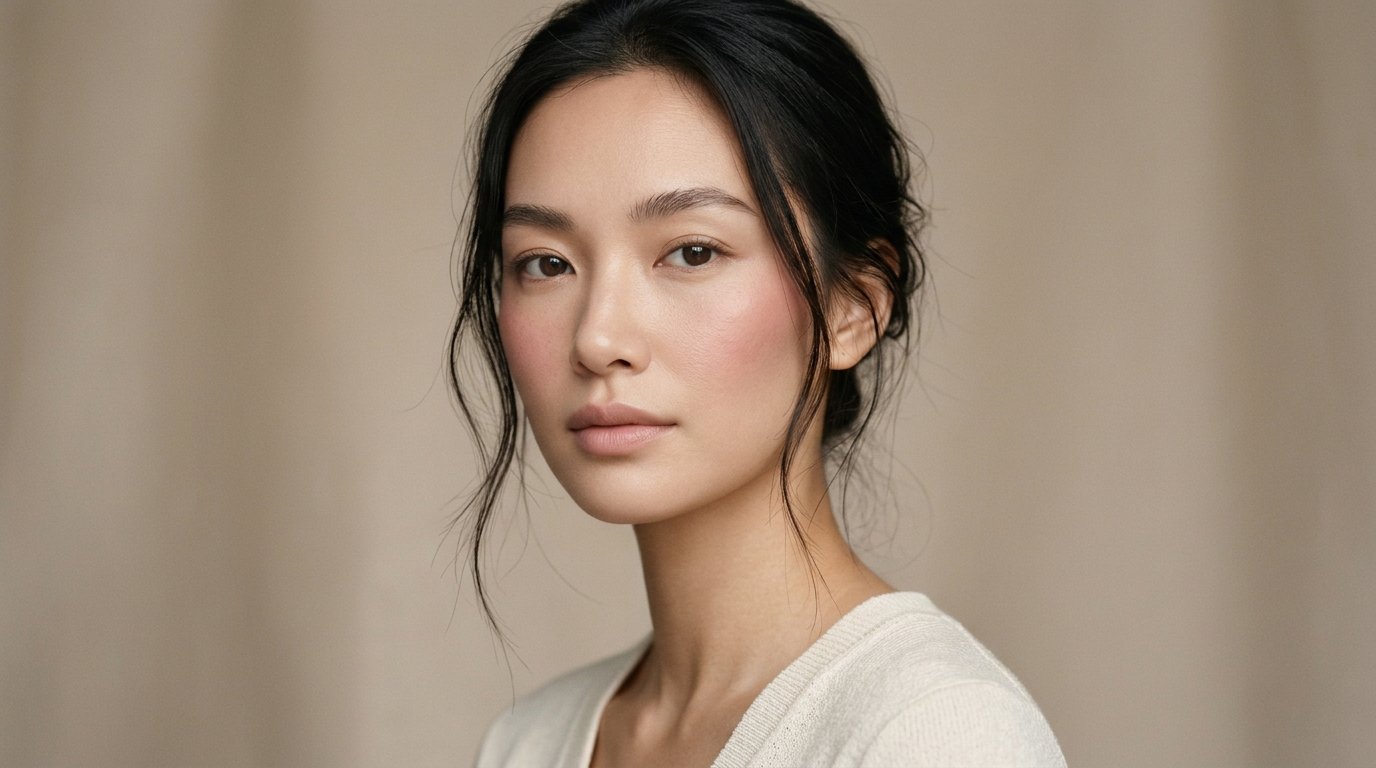
INTRODUCTION
The beauty world is embracing a softer, more natural-looking complexion in 2026, and blurred skin makeup is becoming one of the most interesting makeup trends to try. Instead of creating an extremely glossy finish or covering the face with heavy foundation, this technique focuses on a smooth, diffused appearance that looks polished, lightweight, and naturally beautiful.
Think softly blended foundation, a gentle velvet finish, diffused blush, and strategically placed powder. The result is makeup that makes the complexion look more even without completely hiding its natural character.
Whether you prefer minimal everyday makeup, elegant evening looks, or a sophisticated soft-glam appearance, blurred skin makeup can be adapted to different preferences and skin types.
The best part is that you do not need an enormous makeup collection to achieve it. Choosing suitable formulas, preparing your skin properly, applying thin layers, and blending carefully can make a significant difference.
In this guide, you will learn what blurred skin makeup is, which products and textures work best, how to create the look step by step, and how to adapt the technique for oily, dry, combination, mature, and sensitive skin.
What Is Blurred Skin Makeup?
Blurred skin makeup is a complexion technique designed to create a soft-focus, naturally diffused appearance.
Rather than making the face look completely matte or intensely shiny, it balances both finishes. The skin looks smooth and softly refined, with a little natural dimension remaining.
The technique is associated with the wider soft-focus makeup movement, which includes blurred lips, diffused blush, and softly blended complexion products.
Unlike traditional full-coverage makeup, blurred skin makeup does not depend on applying thick layers of foundation. It uses carefully selected textures and strategic placement to create a more balanced appearance.
The objective is not to make natural skin texture disappear completely. Pores, fine lines, and normal skin variations are part of real skin. Instead, the technique helps makeup look more seamless and less visibly layered.
What Makes the Blurred Skin Look Different?
There are several characteristics that distinguish this makeup style.
1. Soft, natural-looking coverage
A lightweight foundation, skin tint, or buildable complexion product is generally more suitable than an unnecessarily thick layer of full-coverage foundation.
2. A balanced finish
The complexion sits somewhere between matte and dewy. It should not look excessively shiny, but it should not appear flat or dry either.
3. Diffused blush
Blush is blended into the complexion rather than appearing as a sharply defined patch of color.
4. Controlled powder application
Powder is concentrated around areas that need shine control instead of being applied heavily across the entire face.
5. Softly defined features
Contour, bronzer, and other complexion products are blended carefully to avoid harsh lines.
The overall result is a polished complexion that still looks like skin.
Why Is Blurred Skin Makeup Trending in 2026?
Beauty trends often move between different finishes. After several years of highly reflective, glazed, and dewy complexion looks, a softer and more diffused approach has gained attention.
In its May 2026 coverage, Vogue described blurred skin as a move towards a complexion finish between matte and dewy. The article also highlighted lightweight coverage, hydrating preparation, and careful powder placement.
Who What Wear has also included soft-focus finishes and blurred makeup techniques in its 2026 beauty trend coverage.
This change does not mean that glowing skin has disappeared. Instead, makeup enthusiasts are exploring different ways to create radiance without making the entire face look wet or overly shiny.
There are several reasons the look appeals to modern beauty lovers.
It Looks Elegant Without Heavy Makeup
A softly blurred complexion works beautifully with everyday makeup. It creates a polished appearance without requiring dramatic foundation coverage.
It Is Easy to Adapt
You can make the finish more natural for daytime or add more definition for evening occasions.
It Works With Different Makeup Styles
Blurred skin complements neutral lipstick, statement lips, soft smoky eyes, colorful eyeliner, and many other makeup styles.
It Encourages More Thoughtful Product Application
Rather than using several layers of different products, the technique encourages applying only what is needed.
This can be especially useful if you prefer a smaller makeup routine. The Blurred Skin Makeup Look
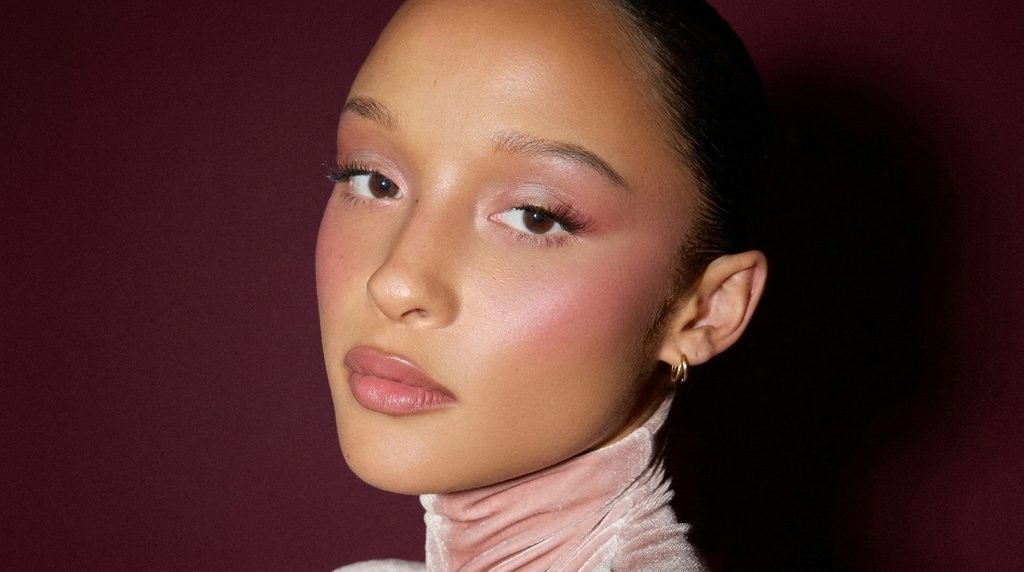
Essential Products for Blurred Skin Makeup
You do not need to purchase an entirely new makeup collection to recreate this trend. Many products you already own may work, depending on their texture and finish.
However, understanding which product types are suitable can make application easier.
1. A Lightweight Moisturizer
Skin preparation is the foundation of a beautiful makeup finish.
A moisturizer helps improve the feel of dry or dehydrated skin and creates a comfortable base for makeup.
Choose a formula according to your skin type.
- Oily skin: A lightweight gel or lotion.
- Dry skin: A richer cream with moisturizing ingredients.
- Combination skin: A balanced lotion or gel-cream.
- Sensitive skin: A simple, fragrance-free moisturizer if fragrance tends to irritate your skin.
Allow your moisturizer to settle before applying makeup.
Applying foundation immediately over a very wet moisturizer can sometimes cause products to move or separate.
2. A Blurring or Hydrating Primer
Primer can help create a more even-looking surface before foundation.
There are different types of primers, and the best choice depends on the finish you want.
A blurring primer may help soften the appearance of visible pores and uneven texture. A hydrating primer can make dry areas feel more comfortable.
For oily skin, a shine-controlling primer can be useful around the forehead, nose, and chin.
You do not necessarily need primer across your entire face. Applying it only where needed can help prevent excessive product buildup.
3. Lightweight Foundation or Skin Tint
Foundation is one of the most important parts of this look.
Choose a product with a natural, satin, or soft-matte finish. A lightweight formula with buildable coverage is often easier to blend than a very thick foundation.
The right foundation should:
- Match your skin tone.
- Blend without leaving visible edges.
- Feel comfortable throughout the day.
- Provide the coverage you actually need.
- Work with your skincare and primer.
A natural finish is usually a versatile starting point.
4. Concealer
Concealer is useful for areas that need additional coverage.
Instead of applying a large amount beneath both eyes and across the entire face, use a small quantity where needed.
For a natural result, select a shade close to your complexion for blemish coverage. If you prefer a brighter under-eye appearance, a slightly lighter shade can be used carefully.
Blend the edges so the concealer merges with your foundation.
5. Cream or Soft-Matte Blush
Blush gives the complexion warmth and dimension.
For blurred skin makeup, choose a cream, liquid, or cream-to-powder formula that blends easily.
Avoid applying too much product at once. Start with a small amount and build the color gradually.
Soft rose, muted peach, dusty pink, warm coral, and berry shades can all complement this technique.
6. Finely Milled Setting Powder
Powder helps reduce excess shine and set selected areas.
A finely milled loose or pressed powder can be useful when applied with a light hand.
You generally need more powder around areas that become oily and less around naturally dry areas.
The purpose is to balance the finish, not remove every trace of natural radiance.
7. Setting Spray
A setting spray can help bring the layers of makeup together.
Choose a formula based on your desired finish. Some sprays offer a natural finish, while others provide additional shine control or radiance.
Setting spray is optional. A well-applied complexion does not always require several finishing products.Essential Products for a Soft-Focus Makeup Base
How to Achieve Blurred Skin Makeup Step by Step
Creating a soft-focus complexion is easier when you follow a sensible application order.
The most important principle is to use thin layers and blend each product before moving to the next step.
Step 1: Prepare Your Skin
Begin with clean skin.
Apply your usual moisturizer and give it enough time to settle.
If you use sunscreen during the daytime, apply a broad-spectrum sunscreen with SPF 30 or higher as the final step of your skincare routine before makeup.
Allow the sunscreen to form an even layer according to its product instructions.
Do not skip sun protection simply because you are wearing foundation.
If your skin feels comfortable and hydrated, you are ready for makeup.
Step 2: Apply Primer Strategically
Take a small amount of primer and apply it to the areas where you want a smoother-looking makeup base.
For example:
- Around the nose, where pores may be more noticeable.
- Across the forehead, if it becomes shiny.
- On the cheeks, if your skin has uneven-looking texture.
- Around the chin, if foundation tends to move.
Use gentle movements and avoid rubbing excessively.
If your moisturizer already provides a smooth base, you may not need much primer.
Step 3: Apply a Thin Layer of Foundation
Dispense a small amount of foundation onto the back of your hand.
Use a brush, sponge, or clean fingertips to distribute it evenly.
Start in the center of the face, where many people prefer slightly more coverage, and blend outward.
Pay attention to the jawline, hairline, and sides of the nose.
Rather than trying to cover every mark immediately, allow your natural skin to remain visible where additional coverage is unnecessary.
This is what gives the look its lightweight character.
Step 4: Add Concealer Only Where Needed
Apply concealer to areas that need extra attention.
This might include under-eye shadows, redness around the nose, or individual blemishes.
Use a small brush or fingertip to soften the edges.
If you apply too much concealer, the complexion can start looking heavy, especially around fine lines.
A little product, blended properly, is often enough.
Step 5: Blend Cream Blush
Apply a small amount of cream or liquid blush to the cheeks.
Begin slightly higher on the cheek area and blend outward.
You can use your fingertips, a soft brush, or a makeup sponge.
Avoid leaving a visible line between your blush and foundation.
For a softer effect, gently diffuse the outer edges until the color looks like part of your complexion.
If you want more intensity, add another thin layer after the first has blended.
Step 6: Set the Areas That Need Powder
Take a small amount of setting powder with a soft brush or puff.
Focus on the center of your forehead, sides of the nose, chin, and other areas where makeup tends to become shiny.
If your cheeks are dry, avoid applying unnecessary powder there.
The goal is a balanced finish.
Applying too much powder can make the complexion look flat and emphasize dryness or texture.
Step 7: Add Soft Definition
If you want more dimension, use a small amount of bronzer or contour.
Blend the product around the natural contours of the face.
Keep the edges soft rather than creating strong lines.
For a daytime appearance, a light application is usually enough.
Step 8: Finish With a Suitable Setting Spray
If you enjoy using setting spray, apply a light, even mist from an appropriate distance.
Allow the product to dry naturally.
Avoid touching the face while it settles.
Your finished complexion should look smooth, balanced, and comfortable rather than excessively powdered or glossy.
Best Blurred Skin Makeup Techniques for Different Skin Types
One of the advantages of this trend is that you can adjust the products and application methods according to your skin.
There is no single formula that works equally well for everyone.
Blurred Skin Makeup for Oily Skin
Oily skin can develop excess shine throughout the day, particularly around the forehead, nose, and chin.
For this skin type, focus on lightweight products and strategic shine control.
Recommended approach:
- Begin with a lightweight moisturizer.
- Apply a shine-controlling primer to the T-zone if needed.
- Choose a natural or soft-matte foundation.
- Use concealer selectively.
- Apply finely milled powder to oily areas.
- Finish with a suitable setting spray if desired.
Avoid using extremely heavy layers of powder to control oil.
Over-powdering can make the skin look dry in some areas while the natural oils continue to appear elsewhere.
Blurred Skin Makeup for Dry Skin
Dry skin often benefits from a more hydration-focused approach.
Before applying makeup, use a moisturizer that suits your skin.
Choose a hydrating primer and a foundation with a comfortable natural finish.
Recommended approach:
- Prepare the skin with moisturizer.
- Use a hydrating primer.
- Apply a thin layer of foundation.
- Add cream blush.
- Use powder only where necessary.
- Avoid excessive matte products if they emphasize dry patches.
If your skin is visibly flaky or irritated, avoid trying to cover the texture with additional foundation.
A comfortable skin preparation routine is a better starting point.
Blurred Skin Makeup for Combination Skin
Combination skin can become oily in the T-zone while remaining normal or dry around the cheeks.
The best solution is to adjust product placement.
You might use a mattifying primer around the nose and forehead while choosing a more hydrating product for the cheeks.
Apply powder selectively rather than treating the entire face in the same way.
This creates a more balanced finish.
Blurred Skin Makeup for Sensitive Skin
If your skin is sensitive, keep your routine simple.
Choose products that your skin already tolerates whenever possible.
Fragrance-free formulas may be useful if fragrance is a known trigger for your skin.
Introduce new products individually and consider patch testing according to the product instructions.
If a makeup product causes persistent burning, itching, or redness, stop using it.
Blurred Skin Makeup for Mature Skin
Mature skin can have visible fine lines, uneven texture, and areas of dryness.
A softer makeup approach can be particularly appealing because it does not depend on thick layers of foundation.
Start with a comfortable moisturizer and a lightweight base.
Use concealer sparingly, especially around the eyes.
Cream blush can add a natural-looking flush, while a small amount of powder can help control shine without creating an overly dry finish.
The goal is not to hide every sign of natural skin texture. It is to create a comfortable and elegant makeup appearance.
Blurred Skin Makeup for Different Skin Types
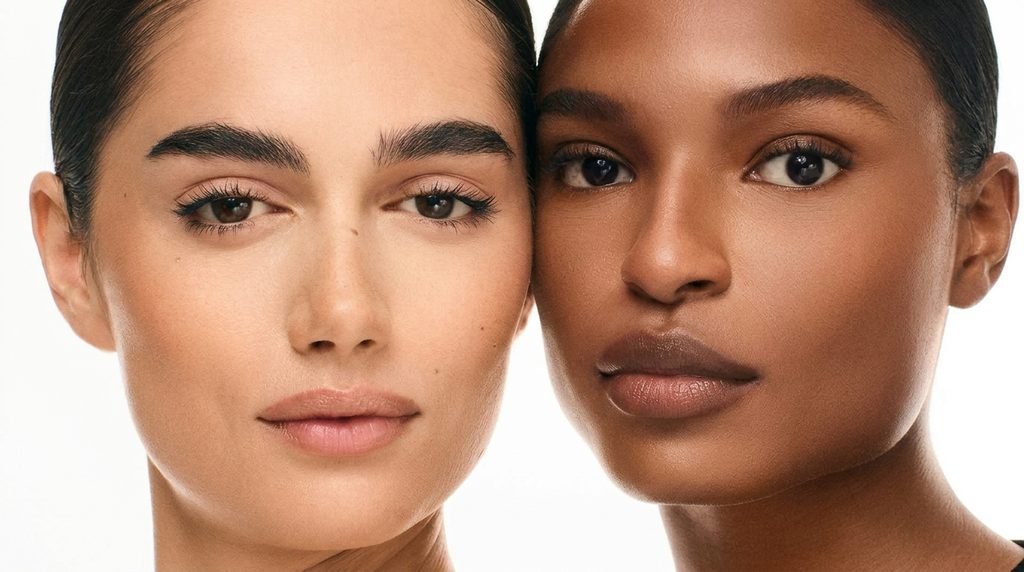
Choosing the Best Blurred Skin Makeup Shades
The right shades can make the final look feel more harmonious.
Although the soft-focus technique is primarily about texture and blending, color selection is equally important.
Foundation Shades
Choose a foundation that matches your face and neck as closely as possible.
Test the shade in natural lighting when practical.
A foundation that is too light or too dark can create a visible difference between the face and neck.
Also consider undertone.
- Cool undertones may suit foundations with pink or rosy characteristics.
- Warm undertones may suit golden or yellow characteristics.
- Neutral undertones may work well with balanced shades.
These are general starting points rather than strict rules.
Blush Shades
Blush can completely change the mood of your makeup.
Soft pink: Creates a delicate, fresh appearance.
Peach: Adds warmth and a subtle sun-kissed effect.
Rose: Offers a classic and elegant finish.
Berry: Provides more depth, particularly for evening makeup.
Terracotta: Works beautifully for warmer, earthy makeup looks.
Choose a shade that complements your complexion and the rest of your makeup.
Lip Colors
Blurred skin pairs especially well with softly diffused lip colors.
Consider:
- Rose nude.
- Pink beige.
- Soft mauve.
- Warm peach.
- Muted berry.
- Soft brown.
You can use lipstick, a tinted balm, or a lip tint.
For a blurred lip effect, apply color to the center of the lips and gently blend outward.
Blurred Skin Makeup for Everyday Wear
You do not need a complicated routine to wear this trend every day.
A simple version can include:
- Moisturizer and sunscreen.
- Lightweight primer if needed.
- Skin tint or natural-finish foundation.
- Concealer on selected areas.
- Cream blush.
- Light powder around the T-zone.
- A natural lip color.
This routine is particularly useful when you want a polished appearance without spending too much time applying makeup.
For work, university, casual outings, and everyday activities, softer coverage can feel more comfortable than a full-glam complexion.
The key is choosing products that work well together and do not require constant correction
How to Create Blurred Skin Makeup for Evening Events
The same technique can be adapted for more formal occasions.
Instead of making the complexion heavier, add definition through carefully selected products.
Start with your usual skin preparation.
Apply foundation in thin layers and use concealer where necessary.
Add a little more blush or bronzer for dimension.
You can also introduce:
- A softly defined eye look.
- A subtle winged eyeliner.
- Individual lashes.
- A deeper lipstick.
- A more defined brow.
If you want extra longevity, use products designed for your skin type and set the areas where makeup usually moves.
For weddings, celebrations, dinners, and special events, test the complete makeup combination beforehand.
This is particularly important if you expect warm weather, humidity, or several hours of wear.
Common Blurred Skin Makeup Mistakes to Avoid
Although the technique looks effortless, a few application mistakes can make the result less flattering.
1. Applying Too Much Foundation
One of the biggest mistakes is using a thick layer of foundation in an attempt to create a flawless finish.
Heavy application can make the complexion look less natural.
Start with a small quantity and build coverage only where needed.
2. Using Too Much Powder
Powder is useful, but applying it everywhere can remove the natural dimension of the face.
Use a smaller amount and concentrate on areas that need it.
3. Choosing the Wrong Primer
A primer that does not suit your skin type or foundation can sometimes contribute to pilling or separation.
Try to choose compatible textures and allow skincare to settle before applying makeup.
4. Ignoring Skin Preparation
Foundation cannot always disguise dry patches or uncomfortable skin.
A suitable moisturizer and sunscreen routine helps create a better starting point.
5. Applying Blush Without Blending
A sharply defined patch of blush can interrupt the soft-focus appearance.
Use a brush or sponge to soften the edges.
6. Mixing Too Many Different Finishes
Combining several extremely glossy, glittery, and heavy matte products can make the complexion look inconsistent.
Choose products that work together.
7. Expecting Pores to Disappear Completely
Blurring products may soften the appearance of pores, but they do not physically remove them.
Real skin has texture.
A natural-looking result is a better goal than expecting a filter-like complexion in real life.
How to Make Blurred Skin Makeup Last Longer
A beautiful makeup finish is more useful when it remains comfortable throughout the day.
Although wear time depends on the products, environment, and individual skin, a few practical techniques may help.
Start With a Clean Base
Remove excess skincare residue and allow moisturizer and sunscreen to settle.
Avoid applying makeup over a surface that feels excessively slippery.
Use Thin Layers
Thin layers are generally easier to blend and less likely to look heavy.
Allow cream products to settle before adding powder.
Powder Strategically
Focus on areas that become oily or where foundation tends to move.
You do not need to apply the same quantity across the entire face.
Carry Blotting Papers
If your skin becomes shiny during the day, blotting papers can help absorb excess oil without adding another heavy layer of powder.
Press gently instead of rubbing.
Avoid Touching Your Face
Frequent touching can disturb makeup and transfer oils or residue.
If you need to adjust your makeup, use clean hands or appropriate tools.
Refresh Only Where Needed
Rather than applying foundation across your entire face again, correct specific areas.
A little concealer or powder may be enough.
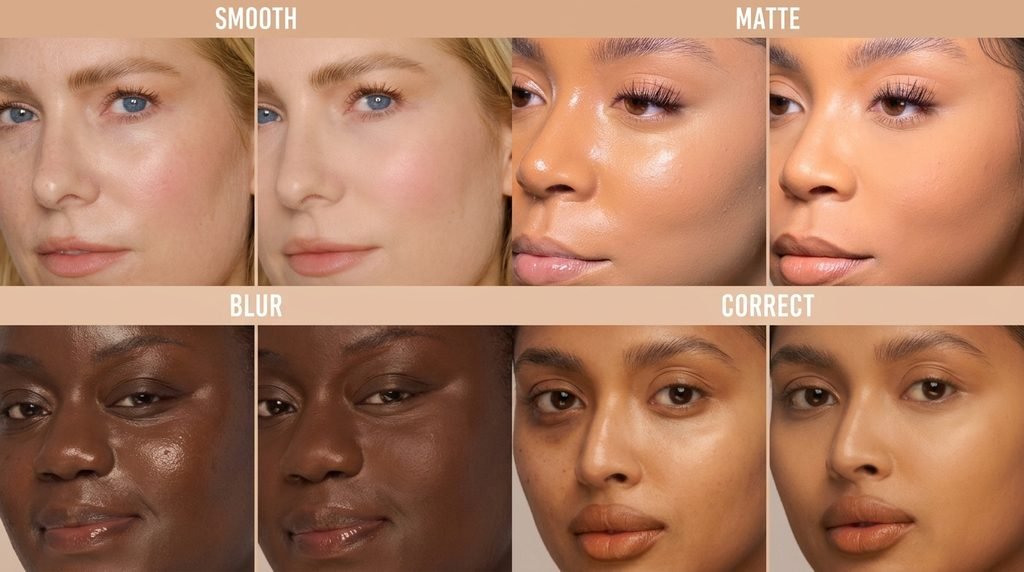
Blurred Skin Makeup vs. Dewy Makeup vs. Matte Makeup
These finishes are related, but they create different visual effects.
| Feature | Blurred Skin | Dewy Makeup | Matte Makeup |
|---|---|---|---|
| Finish | Soft and diffused | Glowing and reflective | Low-shine |
| Coverage | Usually light to medium | Light to buildable | Varies |
| Powder | Strategic | Often minimal | Often more |
| Blush | Softly blended | Creamy or radiant | Matte or satin |
| Overall effect | Balanced and refined | Fresh and luminous | Smooth and controlled |
Blurred skin is a flexible middle ground.
It can work for someone who enjoys natural radiance but does not want the face to look overly glossy.
It can also appeal to someone who likes matte makeup but prefers a softer and less flat result.Blurred Skin Makeup vs. Dewy and Matte Makeup
Is Blurred Skin Makeup Suitable for Every Age?
The technique can be adapted for different ages because it focuses on texture, blending, and balanced coverage rather than a particular age-related beauty standard.
Younger makeup enthusiasts may prefer sheer foundation, soft blush, and minimal powder.
People with mature skin may prefer a more hydration-focused base and lighter application around fine lines.
The important factor is choosing products that feel comfortable and suit individual skin needs.
There is no age requirement for enjoying this makeup trend.
Can You Achieve Blurred Skin Makeup Without Expensive Products?
Yes. You do not need luxury makeup products to create a soft-focus complexion.
A suitable moisturizer, well-matched foundation, concealer, blush, and setting powder can be enough.
When shopping, focus on the product’s texture, finish, shade, and suitability rather than the price alone.
Drugstore and premium products can both be useful.
A more expensive primer does not automatically produce a better result, and a luxury foundation may not suit every skin type.
If you already own makeup that blends well and gives you a comfortable finish, experiment with your application technique before purchasing anything new.
Frequently Asked Questions About Blurred Skin Makeup
What is blurred skin makeup?
Blurred skin makeup is a soft-focus complexion technique that uses lightweight foundation, carefully blended products, and strategic powder application to create a smooth-looking, naturally diffused finish.
Is blurred skin makeup matte or dewy?
It sits between matte and dewy. The finish is generally soft, balanced, and natural-looking rather than completely flat or highly reflective.
What primer is best for blurred skin makeup?
A blurring primer can be useful for areas where pores or uneven texture are more noticeable. A hydrating primer may be preferable for dry skin, while a shine-controlling formula may suit oily areas.
Can oily skin wear blurred skin makeup?
Yes. Use lightweight products, a suitable primer, and strategic powder application. Avoid applying excessive powder across the entire face.
Is blurred skin makeup good for dry skin?
It can be. A moisturizer, hydrating primer, and comfortable foundation can help create a more even-looking finish. Avoid unnecessary powder on dry areas.
Does blurred skin makeup hide pores?
Blurring products can soften the appearance of visible pores, but they cannot remove or permanently shrink them.
Can I use cream blush with blurred skin makeup?
Yes. Cream and liquid blushes can work particularly well when applied in small quantities and blended softly.
What foundation finish works best?
Natural, satin, and soft-matte finishes are useful starting points. Choose according to your skin type and personal preference.
Is setting powder necessary?
No. It is optional. Use it where you need additional shine control or makeup setting.
Can I wear blurred skin makeup in hot and humid weather?
Yes. Use lightweight, compatible products and apply powder strategically. In humid conditions, avoid excessive layers and carry blotting papers for touch-ups.
Is blurred skin makeup suitable for everyday wear?
Absolutely. Its lightweight approach makes it a practical option for work, casual outings, and daily makeup routines.
What is the difference between blurred makeup and airbrush makeup?
Blurred makeup is an application style that creates a diffused appearance using conventional makeup products. Airbrush makeup uses specialized equipment to spray a fine layer of complexion product onto the skin. They can produce similar visual effects, but they are not the same technique.
Final Thoughts
Blurred skin makeup is a beautiful example of how modern beauty is becoming more focused on balance rather than extremes.
Instead of choosing between an intensely glossy complexion and a completely matte finish, this technique brings the two ideas together. It creates a softly refined appearance while allowing natural skin texture and dimension to remain visible.
The secret is not using more products. It is choosing suitable textures, preparing your skin, applying thin layers, and blending everything carefully.
Whether you are creating a simple everyday look or preparing for a special occasion, blurred skin makeup offers plenty of flexibility.
Start with a comfortable skincare base, choose a foundation that suits your complexion, add softly blended blush, and use powder only where needed.
Most importantly, remember that beautiful makeup does not require perfectly texture-free skin. The best result is one that looks harmonious, feels comfortable, and complements your natural features.
As beauty trends continue to evolve in 2026, the soft-focus complexion is a refreshing reminder that sometimes a little less makeup, applied thoughtfully, creates the most elegant finish.