
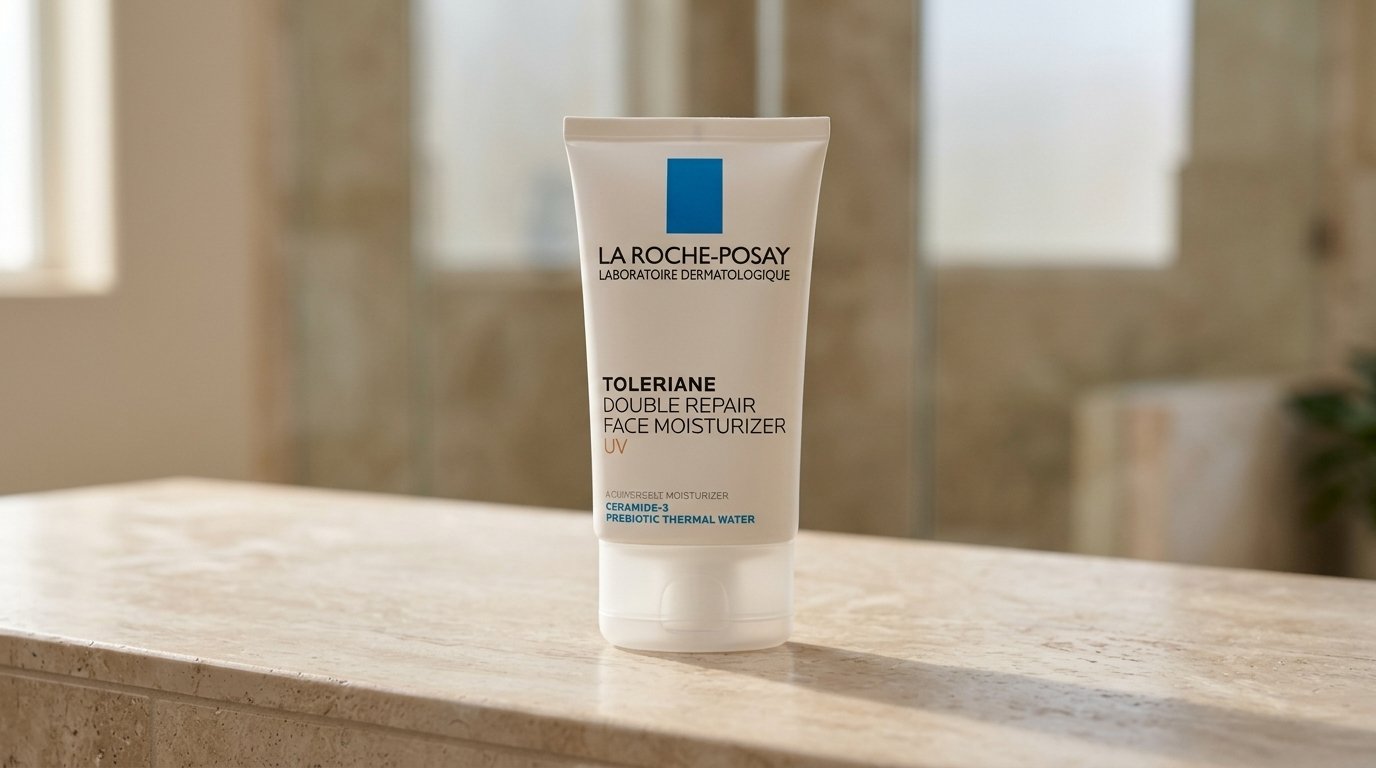
Choosing the right facial moisturizer can make a noticeable difference in how your skin feels throughout the day. Whether you struggle with dryness, tightness, excess oil, or occasional sensitivity, a good moisturizer should help maintain hydration without making your skincare routine complicated. This is where a La Roche-Posay moisturizer review can help you decide whether this popular skincare brand deserves a place on your bathroom shelf.
La Roche-Posay is a French skincare brand known for its dermatologist-focused approach and products designed for different skin concerns. Its moisturizer collection includes options for sensitive, dry, oily, and combination skin. Popular products from the Toleriane range focus on hydration, comfort, and supporting the skin’s natural protective barrier.
However, not every moisturizer is suitable for every skin type. A richer cream that feels comforting on dry skin may feel too heavy on oily skin, while a lightweight lotion might not provide enough moisture during colder weather.
In this detailed review, we will explore La Roche-Posay moisturizers, their notable ingredients, potential benefits, texture, suitability for different skin types, possible drawbacks, and how to choose the right formula for your routine.
If you are considering buying a La Roche-Posay face moisturizer, this guide will help you understand what to look for before making your decision.
Table of Contents
- What Is La Roche-Posay?
- Overview of La Roche-Posay Moisturizers
- Key Ingredients in La Roche-Posay Moisturizers
- Main Benefits of La Roche-Posay Moisturizer
- Which La Roche-Posay Moisturizer Is Best for Your Skin Type?
- Texture, Absorption, and Everyday Wear
- How to Use La Roche-Posay Moisturizer
- La Roche-Posay Moisturizer: Pros and Cons
- Possible Side Effects and Considerations
- Is La Roche-Posay Moisturizer Worth Buying?
- Frequently Asked Questions
- Final Verdict
1. What Is La Roche-Posay?
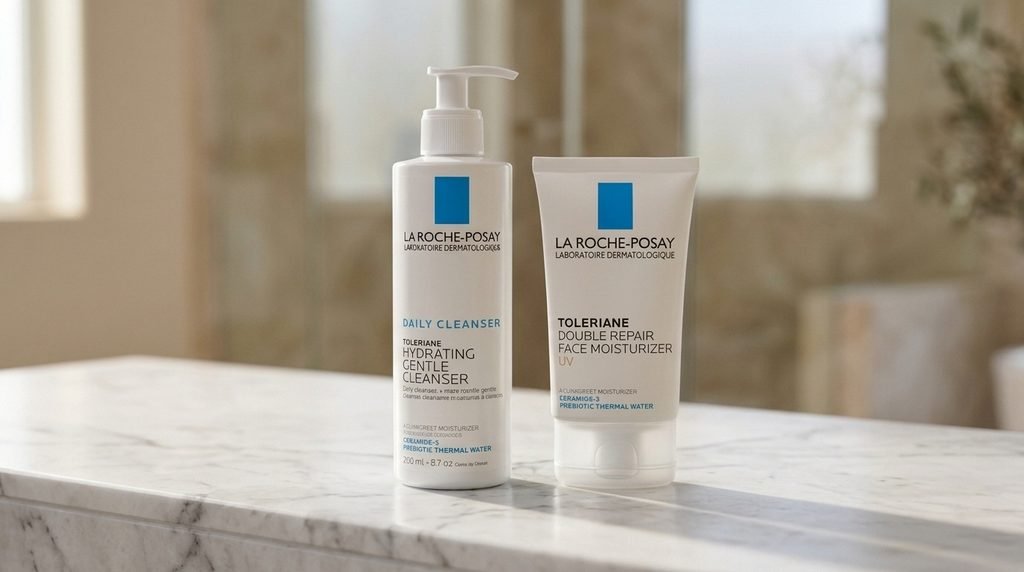
La Roche-Posay is a skincare brand recognized for products developed with a focus on skin tolerance and common skincare needs. Its range includes facial cleansers, moisturizers, sunscreens, and targeted skincare products.
One of its best-known moisturizer collections is Toleriane, which includes formulas intended for sensitive skin and products designed to provide daily hydration. Different moisturizers within the collection have different textures and ingredient combinations, so choosing the right product matters more than relying on the brand name alone.
For example, the Toleriane Sensitive moisturizer is positioned for sensitive skin, while Toleriane Double Repair Face Moisturizer is formulated with ingredients such as glycerin, niacinamide, and ceramide NP to help hydrate skin and support its protective barrier.
These formulas serve related purposes, but they are not identical. The best option depends on your skin type, preferred texture, climate, and personal ingredient sensitivities.
Why Is La Roche-Posay Popular?
Several factors make the brand worth considering when shopping for a facial moisturizer:
- Options for different skin types: The product range includes lightweight moisturizers and richer creams.
- Hydrating ingredients: Selected formulas contain ingredients such as glycerin that help attract and retain moisture.
- Barrier-supporting ingredients: Some moisturizers contain ceramides and other emollients that help maintain the skin’s protective barrier.
- Sensitive-skin options: Certain products are fragrance-free and developed with sensitive skin in mind.
- Simple skincare routines: Many moisturizers can fit into a basic morning or evening routine without requiring several additional products.
It is important to remember that a product marketed for sensitive skin is not automatically suitable for everyone. Individual reactions can vary, and the full ingredient list should always be checked before use.
2. Overview of La Roche-Posay Moisturizers
La Roche-Posay offers several moisturizers rather than one universal formula. Understanding the differences can make your purchase easier.
Toleriane Double Repair Face Moisturizer
Toleriane Double Repair Face Moisturizer is a daily facial moisturizer designed to provide hydration and support the skin barrier. Its listed ingredients include glycerin, niacinamide, dimethicone, and ceramide NP.
The formula is a useful starting point for shoppers seeking a daily moisturizer that combines hydration with barrier-supporting ingredients. Its cream texture may appeal to people who want moisture without choosing an especially rich cream.
The standard moisturizer does not replace sunscreen. For daytime sun protection, use a separate broad-spectrum sunscreen or choose an appropriate moisturizer-with-SPF product and apply it according to its directions.
Toleriane Sensitive Moisturizer
Toleriane Sensitive is designed for sensitive skin and everyday hydration. Depending on the regional formula, its ingredient list may include glycerin, squalane, and niacinamide.
These ingredients serve different purposes. Glycerin attracts water, while squalane acts as an emollient to help soften skin. Niacinamide is a form of vitamin B3 used in skincare to support the skin barrier and improve the appearance of uneven skin tone.
This type of moisturizer may appeal to people who experience tightness or dryness and prefer a product specifically marketed for sensitive skin.
Toleriane Sensitive Riche
People with dry skin may prefer a richer moisturizer. Toleriane Sensitive Riche includes ingredients such as shea butter, glycerin, and squalane in the published formula.
Compared with a lighter fluid or lotion, a richer cream can feel more comforting when the skin is dry or when the weather is cold. However, its texture may be less appealing to someone who prefers a barely noticeable moisturizer.
Toleriane Double Repair Matte Moisturizer
For oily or combination skin, the Double Repair Matte formula is another option to investigate. It is designed to provide hydration with a less shiny finish.
This can be useful if you want a moisturizer but dislike the greasy appearance that some richer creams leave behind. The precise product name and ingredients should be checked because the collection includes variations, including versions with sunscreen.
Important: Product names, formulas, sizes, and availability can differ by country. Always confirm that the packaging matches the product you intend to buy.
3. Key Ingredients in La Roche-Posay Moisturizers
When evaluating a La Roche-Posay moisturizer, the ingredient list is often more informative than the packaging or marketing claims. Different formulas contain different combinations, so the following ingredients are relevant only when they appear in your chosen product.
Glycerin
Glycerin is a humectant, meaning it attracts water and helps increase moisture in the outer layers of the skin.
It is widely used in facial moisturizers because it can help skin feel softer and less dry. Glycerin may be particularly useful when your skin feels tight after cleansing or becomes uncomfortable in dry weather.
A moisturizer containing glycerin can help maintain hydration, although the final result also depends on the rest of the formula and your skincare routine.
Niacinamide
Niacinamide, also known as vitamin B3, is used in skincare for its potential to support the skin barrier and improve the appearance of uneven skin tone.
It may also help improve the appearance of redness and excess oil in some people. However, individual responses vary, and a moisturizer should not be expected to resolve every skin concern.
If your skin is easily irritated, introduce new products gradually rather than adding several active ingredients at once.
Ceramides
Ceramides are lipids naturally found in the skin’s outer barrier. They help maintain the structure that reduces excessive moisture loss and protects against external irritants.
Some La Roche-Posay moisturizers contain ceramide NP, also called ceramide 3 in some product descriptions.
A moisturizer with ceramides may be a practical option for people whose skin feels dry, rough, or uncomfortable. Ceramides do not work in isolation, however; the overall formulation and consistent use are also important.
Squalane
Squalane is an emollient used to soften skin and improve the feel of a moisturizer. It can help reduce the rough, dry feeling associated with moisture loss.
It appears in certain Toleriane Sensitive formulas and can be particularly appealing in products intended for dry or sensitive skin.
Whether a squalane-containing moisturizer feels lightweight or rich depends on its concentration and the other ingredients in the formula.
Shea Butter
Shea butter is a plant-derived emollient found in some richer moisturizers, including certain Toleriane Sensitive Riche formulas.
It helps soften the skin and contributes to a more nourishing texture. This can be useful for dry skin, especially when lighter lotions do not feel sufficiently moisturizing.
People with oily skin may prefer a different formula if a rich cream feels too heavy.
Thermal Spring Water
La Roche-Posay uses thermal spring water in many of its skincare products. Its role in a moisturizer depends on the complete formulation rather than the ingredient name alone.
It is worth considering the full formula, including humectants, emollients, and barrier-supporting ingredients, instead of choosing a moisturizer based on one highlighted component.
Ingredient takeaway: Glycerin supports hydration, niacinamide can support the skin barrier, ceramides help maintain barrier structure, and emollients such as squalane or shea butter soften the skin. The most suitable combination depends on your individual needs.
4. Main Benefits of La Roche-Posay Moisturizer
The potential benefits of La Roche-Posay moisturizer depend on which formula you choose. Nevertheless, several useful qualities are worth considering.
Helps Relieve Dryness
A well-formulated moisturizer helps reduce the dry, tight feeling that can develop after cleansing or exposure to dry air.
Humectants attract water, while emollients improve softness. Some formulas also help reduce moisture loss by supporting the skin’s protective barrier.
For the best results, apply moisturizer while your skin is slightly damp rather than waiting until it feels completely dry.
Supports the Skin Barrier
The skin barrier helps retain moisture and protect the skin from environmental irritants. When the barrier is compromised, skin may feel rough, tight, or more easily irritated.
Moisturizers containing suitable emollients and ceramides can help support the barrier as part of a consistent routine.
They are not a substitute for medical treatment when persistent irritation, eczema, or another skin condition requires professional care.
Offers Options for Sensitive Skin
Some La Roche-Posay moisturizers are specifically formulated for sensitive skin and are fragrance-free.
This can be a useful starting point if you prefer to avoid added fragrance. However, fragrance-free does not mean allergy-proof, and other ingredients can still cause reactions in susceptible individuals.
If you frequently experience burning, itching, or persistent redness, consider seeking advice from a qualified dermatologist.
Can Fit into a Simple Routine
You do not need a complicated skincare routine to maintain hydration.
A gentle cleanser, an appropriate moisturizer, and broad-spectrum sunscreen during the day form a practical foundation for many people.
A moisturizer can also complement other products, provided the combination suits your skin and does not introduce unnecessary irritation.
Helps Skin Feel Softer
Dryness can make skin feel rough and less comfortable. Regular moisturizing may improve softness and the appearance of dry patches.
The result is generally more noticeable when you use a suitable formula consistently rather than switching products frequently.
Remember that hydration can improve the appearance of fine dehydration lines, but a moisturizer should not be described as a guaranteed treatment for deep wrinkles or other complex skin concerns.
5. Which La Roche-Posay Moisturizer Is Best for Your Skin Type?
Choosing according to your skin type is one of the most important steps in this La Roche-Posay Moisturizer Review.
For Dry Skin
Look for a moisturizer that combines humectants with emollients. A richer formula such as Toleriane Sensitive Riche may be worth considering if your skin regularly feels tight or rough.
Helpful features include:
- Glycerin for hydration.
- Squalane to soften skin.
- Shea butter in formulas that contain it.
- A cream texture that feels comfortable without requiring repeated application.
If your skin is extremely dry, you may need a different formulation or professional guidance, particularly if you also experience cracking, itching, or persistent inflammation.
For Oily Skin
Oily skin still needs hydration. Skipping moisturizer can leave your skin feeling uncomfortable, even if it produces plenty of oil.
A lighter formula, such as an appropriate Toleriane Double Repair Matte moisturizer, may be more comfortable than a rich cream.
Look for a texture that absorbs well and does not leave an unpleasantly greasy finish. Introduce one product at a time and observe how your skin responds.
For Combination Skin
Combination skin often has an oilier forehead, nose, and chin with drier cheeks.
A balanced lotion or lightweight cream may work well. You can also adjust the amount you apply to different areas of your face.
For example, use a thin layer over the T-zone and a little more on dry cheeks if needed. This simple adjustment can help you maintain comfort without making the entire face feel heavy.
For Sensitive Skin
Choose a formula intended for sensitive skin and check the complete ingredient list.
A fragrance-free option may be a reasonable starting point, but individual sensitivities differ. If you have reacted to a specific ingredient in the past, verify whether it appears in the product.
Avoid introducing a new moisturizer at the same time as several exfoliants, retinoids, or other active skincare products. A simpler routine makes it easier to identify what your skin tolerates.
For Normal Skin
If your skin is generally balanced, the best option may be the one that feels comfortable and provides enough hydration throughout the day.
A lightweight lotion can be convenient in warm weather, while a cream may be more appealing during colder months.
You do not necessarily need a rich moisturizer simply because it contains more nourishing ingredients. Choose according to your skin’s actual needs.
6. Texture, Absorption, and Everyday Wear
Texture is an important part of the moisturizing experience because it determines whether you enjoy using a product consistently.
La Roche-Posay moisturizers vary in texture. Some are lightweight fluids, others are everyday creams, and richer options are designed for skin that needs more substantial moisture.
Lightweight Formulas
Lightweight lotions and fluids may suit people who dislike a heavy layer on their skin.
They can also be convenient under makeup, provided the product absorbs comfortably and does not interfere with your foundation or sunscreen.
However, lightweight does not automatically mean suitable for every oily skin type. The entire formula and the amount applied matter.
Rich Creams
Richer creams may feel more comforting on dry skin, especially during colder months or in air-conditioned environments.
They can be useful for areas that become rough or tight, but people who dislike a noticeable cream texture may prefer a lighter option.
How Does It Work Under Makeup?
A moisturizer can help makeup apply more evenly when the skin is adequately hydrated. Excessive application, however, can sometimes contribute to pilling or a slippery finish.
To reduce this possibility:
- Apply a moderate amount of moisturizer.
- Allow it to settle before applying sunscreen.
- Let sunscreen form its intended layer before makeup.
- Avoid rubbing multiple products together aggressively.
If your makeup pills, experiment with smaller amounts and allow more time between layers.
The best texture is ultimately the one that keeps your skin comfortable and fits easily into your daily routine.
7. How to Use La Roche-Posay Moisturizer
Using a moisturizer correctly can help you get more consistent results without overcomplicating your routine.
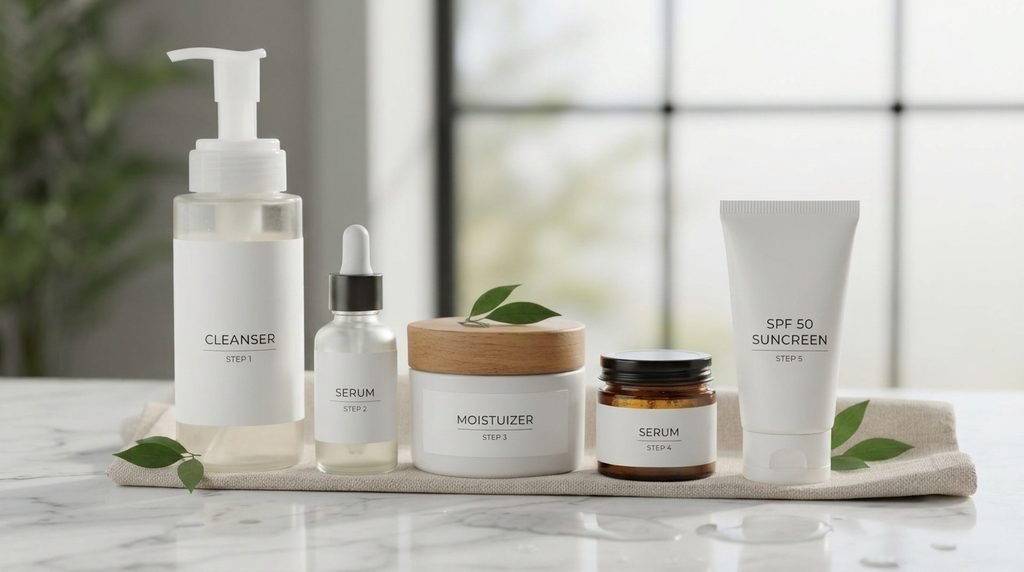
Step 1: Cleanse Gently
Start with a cleanser appropriate for your skin type. Avoid washing your face excessively or using a cleanser that consistently leaves your skin feeling tight.
Gently pat your face dry, leaving it slightly damp if that feels comfortable.
Step 2: Apply Moisturizer
Use a moderate amount and spread it evenly over your face and neck, following the product’s instructions.
Avoid the immediate eye area unless the product is specifically intended for that use. You generally do not need a thick layer to moisturize effectively.
Step 3: Use Sunscreen in the Morning
If your moisturizer does not contain sunscreen, finish your morning skincare routine with a broad-spectrum sunscreen of SPF 30 or higher.
Apply enough sunscreen to cover exposed skin and reapply as directed on the label, especially after sweating, swimming, or extended outdoor exposure.
If you choose a moisturizer with SPF, make sure it provides suitable broad-spectrum protection and that you apply enough to achieve the labeled protection.
Step 4: Adjust Your Evening Routine
In the evening, cleanse away makeup, sunscreen, and daily impurities, then apply your moisturizer.
If you use a retinoid, exfoliating acid, or another active ingredient, follow that product’s directions and introduce it gradually if you are new to it.
A moisturizer may improve comfort when using certain active ingredients, but it does not guarantee that irritation will not occur.
Step 5: Stay Consistent
Use the product according to its label and evaluate how your skin feels over time.
Notice whether your skin feels more comfortable, whether dryness is reduced, and whether the texture suits your preferences. If irritation develops, stop using the product and assess the cause before continuing.
8. La Roche-Posay Moisturizer: Pros and Cons
Before buying, consider both the potential advantages and the limitations.
Pros
- Variety of formulas: Options are available for different skin types and texture preferences.
- Useful hydrating ingredients: Selected formulas include glycerin and other moisture-supporting ingredients.
- Barrier-supporting options: Some moisturizers contain ceramides, niacinamide, or emollients.
- Sensitive-skin choices: Certain formulas are fragrance-free and developed for sensitive skin.
- Flexible routines: Many options can fit into a basic morning and evening skincare routine.
- Different textures: Shoppers can compare lighter lotions with richer creams.
Cons
- Not every formula suits everyone: Skin type and individual sensitivities affect the experience.
- Product selection can be confusing: Several products have similar names but different purposes.
- Availability varies: Some formulas or sizes may not be sold in every country.
- Prices differ by market: The cost depends on the retailer, product size, and local availability.
- No universal results: A moisturizer may improve dryness without addressing every concern, such as persistent acne or inflammatory skin conditions.
- Ingredient lists can change: Older online reviews may refer to a previous formulation.
Overall, the main advantage is the variety of options. The biggest consideration is choosing the correct formula rather than assuming all products in the brand’s collection perform identically.
9. Possible Side Effects and Considerations
Most people choose a moisturizer to improve comfort, but even products designed for sensitive skin can cause unwanted reactions in some individuals.
Possible signs of a reaction include burning, stinging, itching, increased redness, or the development of a rash.
Patch Test Before Regular Use
If you have sensitive skin or a history of reactions to skincare products, test a small amount on a limited area according to appropriate product-testing guidance before applying it widely.
A small-area test cannot guarantee that a reaction will not occur later, but it may help you identify immediate intolerance.
Check the Ingredients
Read the packaging carefully, especially if you have known allergies or have reacted to a particular ingredient before.
Do not assume a fragrance-free formula is free of every potential irritant.
Introduce Products Gradually
Avoid starting several new skincare products simultaneously. If irritation develops, introducing one product at a time makes it easier to identify the likely cause.
When to Seek Professional Advice
Stop using a product if it causes a significant reaction. Seek medical advice for persistent irritation, worsening symptoms, or a skin concern that does not improve with basic skincare.
Swelling of the lips or tongue, difficulty breathing, or other signs of a severe allergic reaction require emergency medical attention.
A moisturizer is intended to support everyday skin care; it should not be treated as a cure for a medical skin condition.
10. Is La Roche-Posay Moisturizer Worth Buying?
La Roche-Posay moisturizer may be worth considering if you want a daily moisturizer with a formula suited to your skin type and preferences.
The Toleriane range offers different approaches to hydration, from lighter textures to richer creams. That variety is useful because dry, oily, combination, and sensitive skin do not all need the same formulation.
Who May Like It?
You may want to consider a suitable La Roche-Posay moisturizer if you:
- Experience dryness or tightness after cleansing.
- Want a moisturizer with ingredients such as glycerin or ceramides.
- Prefer to choose from different cream and lotion textures.
- Want a fragrance-free option, where available.
- Need a product that fits into a simple daily skincare routine.
Who Should Compare Other Options?
You may want to compare alternatives if:
- The available formula contains an ingredient you know you cannot tolerate.
- You prefer a very different texture or finish.
- The price is outside your budget.
- You need targeted treatment for persistent acne, rosacea, eczema, or another skin condition.
There is no single best moisturizer for every person. A more affordable formula that suits your skin may be a better choice than a more expensive product that feels uncomfortable or does not meet your needs.
What About the Price?
Prices depend on the exact moisturizer, size, retailer, and country. Rather than relying on a price mentioned in an older review, compare current local listings and check the product size.
It is also worth checking whether you are buying the standard moisturizer, a richer version, a matte formula, or a moisturizer with SPF. Similar packaging and names can make these products easy to confuse.
My overall assessment: La Roche-Posay is a brand worth exploring, particularly if you want to compare moisturizers with different textures and barrier-supporting ingredients. Its value depends on the exact formula, how your skin responds, and whether the price fits your budget.
11. Frequently Asked Questions
Is La Roche-Posay moisturizer good for sensitive skin?
Some La Roche-Posay moisturizers are specifically formulated for sensitive skin, including options in the Toleriane range. However, suitability depends on the exact formula and your individual sensitivities. Check the ingredient list and test a new product cautiously.
Can I use La Roche-Posay moisturizer every day?
Many of its facial moisturizers are intended for daily use. Follow the instructions on your chosen product and adjust your routine if irritation develops.
Which La Roche-Posay moisturizer is best for dry skin?
A richer formula, such as Toleriane Sensitive Riche, may suit people who need more substantial moisture. Ingredients such as glycerin, squalane, and shea butter can help hydrate and soften skin when included in the formula.
Is La Roche-Posay moisturizer suitable for oily skin?
Some formulas are designed with oily or combination skin in mind. A lighter lotion or matte moisturizer may be more comfortable than a rich cream. Individual results will vary.
Does La Roche-Posay moisturizer contain niacinamide?
Certain products contain niacinamide, including published formulas of Toleriane Double Repair Face Moisturizer and Toleriane Sensitive moisturizer. Not every moisturizer in the range contains it, so check the current ingredient list.
Can La Roche-Posay moisturizer help with skin-barrier support?
Moisturizers containing ingredients such as ceramides, glycerin, and emollients can help maintain hydration and support the skin’s protective barrier. Results depend on the formula, consistent use, and the condition of your skin.
Can I use La Roche-Posay moisturizer under makeup?
Yes, many facial moisturizers can be used under makeup. Apply a suitable amount and allow it to settle before layering sunscreen and foundation. If pilling occurs, try reducing the amount or adjusting the time between products.
Does La Roche-Posay moisturizer replace sunscreen?
A standard moisturizer does not replace sunscreen. During the day, use broad-spectrum sunscreen of SPF 30 or higher unless you are using a suitable moisturizer-with-SPF product that provides the required protection and is applied correctly.
Is La Roche-Posay moisturizer non-comedogenic?
Some products in the range are labeled non-comedogenic, meaning they are formulated to reduce the likelihood of clogging pores. This does not guarantee that a product will never cause breakouts in an individual.
How long does it take to notice a difference?
Skin may feel more comfortable after the first few applications, especially if dryness is the main concern. Changes in the appearance of the skin depend on the product, your routine, and the issue you are addressing. There is no guaranteed timeline for every user.
Can I use La Roche-Posay moisturizer with other skincare products?
It can generally be incorporated into a routine with a cleanser, sunscreen, and other compatible skincare products. Introduce new active ingredients gradually and follow each product’s directions to reduce the risk of irritation.
Is La Roche-Posay moisturizer worth the money?
It may be worth the price if the specific formula suits your skin and you enjoy using it consistently. Compare the ingredient list, texture, size, and local price with alternatives before purchasing.
12. Final Verdict
This La Roche-Posay Moisturizer Review shows why choosing the right formula matters more than choosing a brand alone. The range includes options for everyday hydration, sensitive skin, dry skin, and people who prefer a lighter or more matte finish.
Ingredients such as glycerin, niacinamide, ceramides, squalane, and shea butter can serve useful roles in a moisturizer, but their presence varies by product. Checking the current ingredient list helps you choose a formula that aligns with your skin’s needs.
For dry skin, a richer cream may provide a more comfortable experience. For oily or combination skin, a lighter moisturizer may be easier to wear throughout the day. Sensitive skin benefits from careful product selection and a gradual approach to new skincare.
Ultimately, La Roche-Posay moisturizer is worth considering if you find a formula that fits your skin type, budget, and routine. Start with your main concern, compare the available options, and prioritize comfort and consistency over complicated skincare promises.
The best moisturizer is not necessarily the most expensive or most popular one. It is the one that helps your skin feel comfortable, supports hydration, and works well with the rest of your daily routine.