
INTRODUCTION
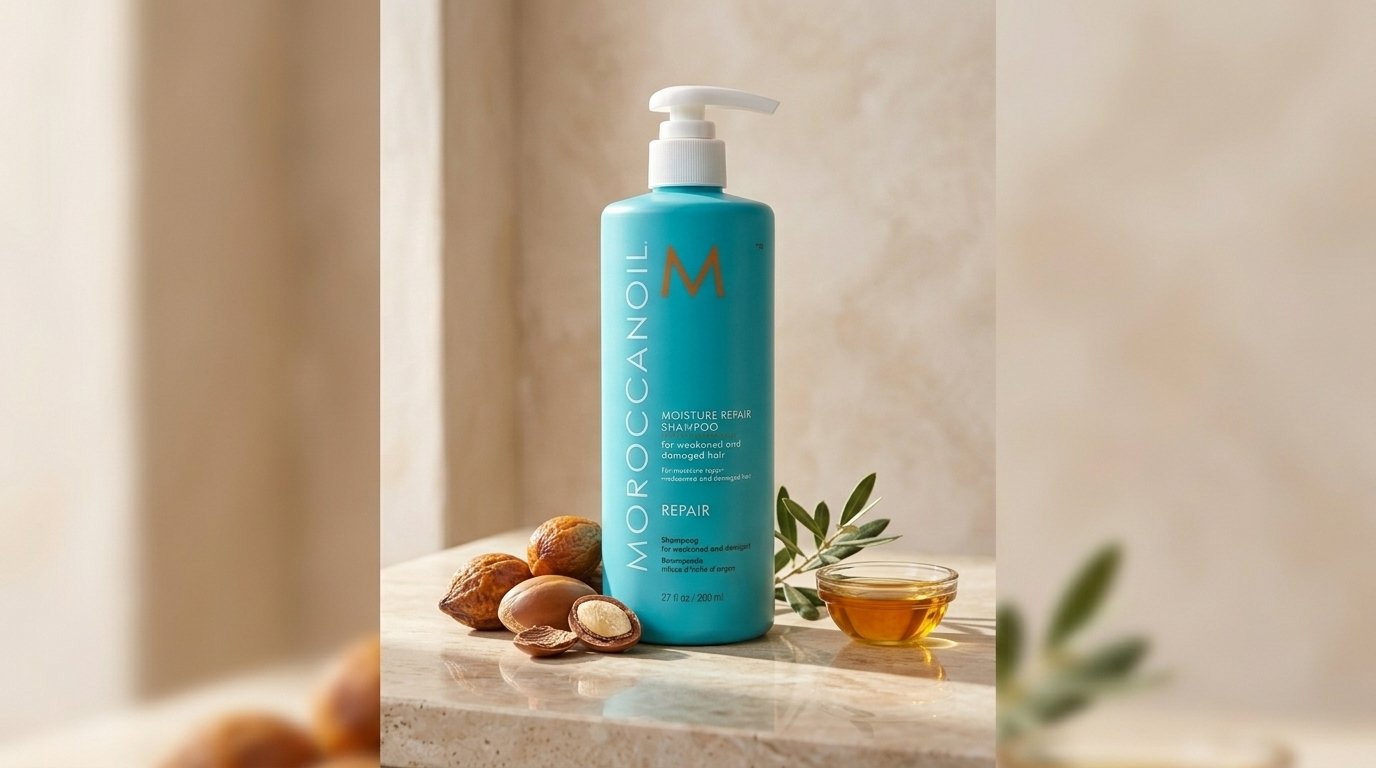
Moroccanoil Shampoo Review
Moroccanoil shampoo is a popular choice for people who want softer, smoother-looking hair with a polished, salon-inspired finish. Known for its argan oil-focused haircare range, Moroccanoil offers different shampoos designed for various hair types and concerns, including dryness, color-treated hair, frizz, and unwanted brassiness.
However, choosing the right shampoo is about more than brand recognition. Your hair texture, scalp condition, styling routine, and personal preferences all influence whether a particular formula is suitable for you.
In this guide, we explore what Moroccanoil shampoo is designed to do, its potential benefits, the different types available, how to use it correctly, and what to consider before purchasing. You will also learn how to choose a formula for your hair type and how to build a simple haircare routine around it.
Table of Contents
- What Is Moroccanoil Shampoo?
- What Makes Moroccanoil Shampoo Popular?
- Key Benefits of Moroccanoil Shampoo
- Different Types of Moroccanoil Shampoo
- Which Moroccanoil Shampoo Is Best for Your Hair Type?
- Key Ingredients and Their Role in Haircare
- How to Use Moroccanoil Shampoo Correctly
- Moroccanoil Shampoo for Dry and Frizzy Hair
- Moroccanoil Shampoo for Color-Treated Hair
- Pros and Cons of Moroccanoil Shampoo
- Common Mistakes to Avoid
- Is Moroccanoil Shampoo Worth It?
- Frequently Asked Questions
- Final Thoughts
1. What Is Moroccanoil Shampoo?
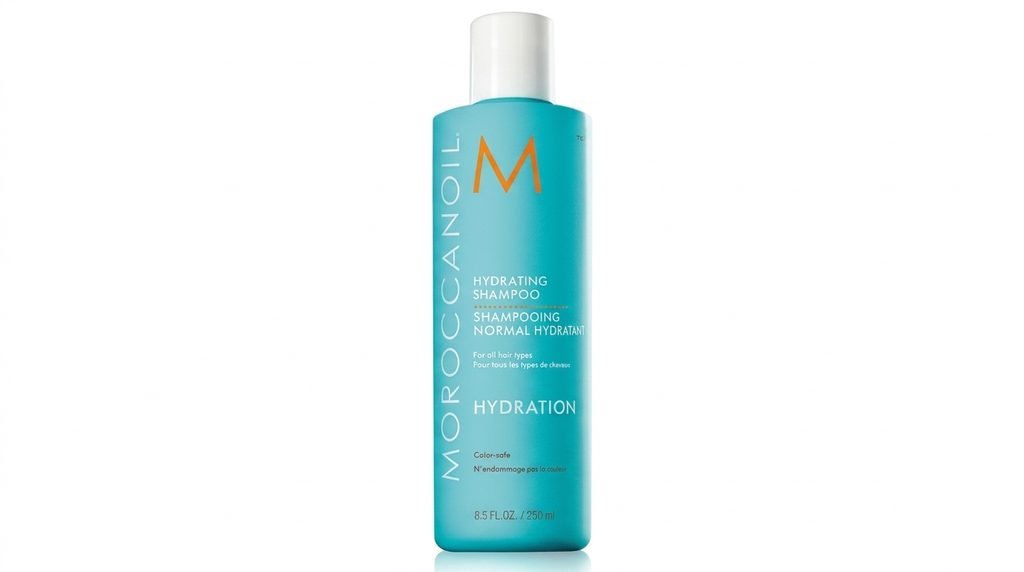
Moroccanoil shampoo is part of the haircare range from Moroccanoil, a beauty brand widely associated with argan oil-based hair products. The brand offers shampoos intended to address different haircare needs rather than relying on one universal formula.
Depending on the product, the range may focus on cleansing, moisture, color care, volume, or maintaining the appearance of blonde, silver, and highlighted hair.
The brand is particularly recognizable for its use of argan oil in haircare. Argan oil contains fatty acids and vitamin E and is commonly used in cosmetic formulations to help condition hair and improve its feel and appearance.
A shampoo has a different purpose from a hair oil or leave-in treatment, though. Its primary job is to cleanse the scalp and hair while providing any additional conditioning benefits offered by its formula.
What Does Moroccanoil Shampoo Do?
The specific results depend on the formula, but Moroccanoil shampoos may help with the following:
- Removing excess oil, dirt, and styling-product residue.
- Leaving hair feeling clean and manageable.
- Supporting softer-feeling hair when the formula includes conditioning ingredients.
- Helping maintain the appearance of color-treated hair when using an appropriate color-care formula.
- Addressing particular cosmetic concerns, such as flat-looking hair or unwanted yellow tones in blonde hair.
It is important to remember that shampoo cannot guarantee faster hair growth, permanently repair split ends, or reverse all forms of hair damage.
Who Might Consider Using It?
Moroccanoil shampoo may be worth considering if you want a salon-inspired cleansing product and can find a formula suited to your hair.
It may be especially relevant to people who regularly style their hair, have dry-looking lengths, color their hair, or want to manage frizz and improve softness.
People with oily scalps, fragrance sensitivities, or very fine hair should pay particular attention to the formula they choose. A rich or strongly fragranced product may not suit everyone’s preferences.
2. What Makes Moroccanoil Shampoo Popular?
Moroccanoil has established a recognizable identity in the premium haircare market through its argan oil association, salon-inspired positioning, and coordinated haircare products.
Several factors contribute to the brand’s appeal.
Argan Oil-Focused Haircare
Argan oil is valued in cosmetic haircare because its emollient properties can help improve smoothness and shine. Depending on the formula and how the hair responds, conditioning ingredients may make strands feel softer and easier to manage.
However, the presence of argan oil alone does not determine how well a shampoo performs. The complete ingredient formula, cleansing agents, conditioning components, and your hair’s needs all matter.
Products for Different Hair Needs
One of the useful aspects of the Moroccanoil range is that it offers different options rather than treating every hair concern the same way.
Someone with fine hair may prefer a volumizing formula, while someone with dry lengths may prefer a moisturizing shampoo. A person with blonde or highlighted hair may want a purple shampoo to help neutralize unwanted yellow tones.
This variety makes it important to select the right product rather than purchasing solely because of the brand name.
A Salon-Inspired Haircare Routine
Many people enjoy using coordinated shampoo, conditioner, masks, and styling products because they create a consistent routine.
Moroccanoil products can be incorporated into such a routine, but you do not necessarily need every product from the same brand. A suitable shampoo paired with a conditioner that meets your needs may be sufficient.
Packaging and Premium Positioning
The brand’s polished packaging and premium image can also appeal to shoppers who enjoy an elevated bathroom shelf or a more luxurious haircare experience.
Nevertheless, packaging and brand reputation do not guarantee better results for every hair type. Formula suitability and value for money remain important considerations.
3. Key Benefits of Moroccanoil Shampoo
The benefits you experience will depend on the particular shampoo, your hair condition, and how you use it.
1. Helps Hair Feel Softer
Shampoos formulated with suitable conditioning ingredients may leave hair feeling smoother and less rough after washing.
This can be particularly welcome if your lengths feel dry or become difficult to detangle. Following shampoo with conditioner can further improve manageability.
2. Supports a Smoother Appearance
Dryness, friction, humidity, and styling can contribute to a rough or frizzy appearance.
A shampoo that cleanses without leaving your hair feeling excessively stripped, followed by an appropriate conditioner, may help create a smoother-looking finish.
For more noticeable frizz control, consider your entire routine, including conditioning, drying techniques, and heat protection.
3. Helps Improve the Appearance of Shine
Hair that lies more smoothly may reflect light more evenly and appear shinier.
Conditioning ingredients and an appropriate finishing product can contribute to this effect. Results vary depending on hair texture, damage, product buildup, and environmental conditions.
4. Offers Options for Color-Treated Hair
Some Moroccanoil shampoos are designed for color-treated hair, while the brand also offers specialized products for blonde and highlighted hair.
Choosing a suitable color-care formula may help you maintain the appearance of your color between salon appointments. Follow the individual product’s instructions, and remember that no shampoo can completely prevent color fading.
5. Provides Different Options for Hair Texture
The range includes products aimed at different cosmetic needs, which can make it easier to find an option for fine, dry, or color-treated hair.
The best match is the one that cleanses your scalp effectively without leaving your lengths feeling unnecessarily dry or heavy.
6. Can Complement a Consistent Haircare Routine
Using shampoo regularly according to your scalp’s needs helps maintain cleanliness and removes accumulated residue.
Pairing the shampoo with a suitable conditioner and limiting unnecessary heat styling may help keep hair looking and feeling well cared for.
4. Different Types of Moroccanoil Shampoo
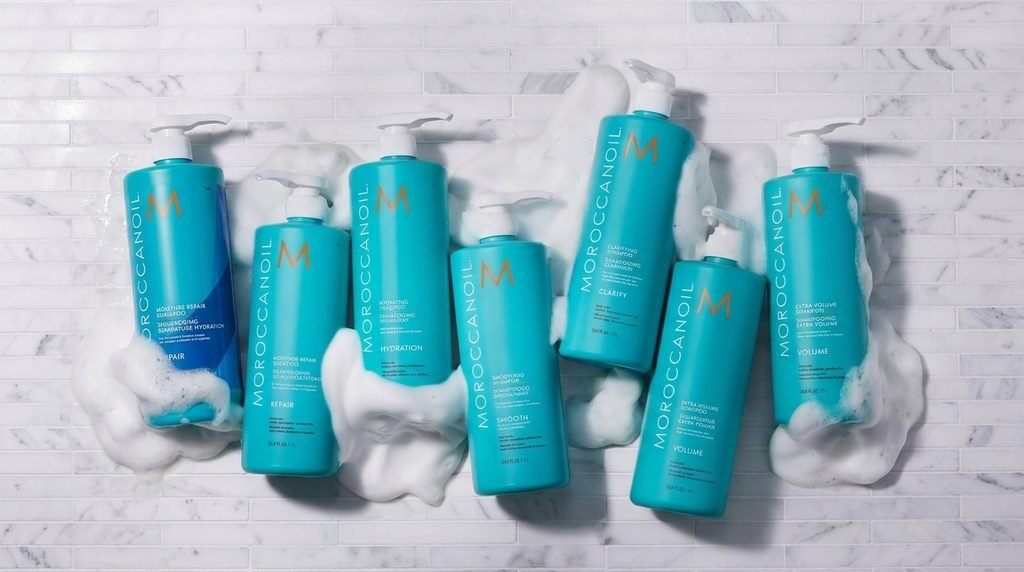
Moroccanoil offers several shampoo options. Product availability and names can vary by market, so check the current product label before purchasing.
Moroccanoil Moisture Repair Shampoo
Moisture Repair Shampoo is intended for hair that needs a more conditioning-focused cleansing routine, particularly hair affected by coloring, chemical processing, or heat styling.
It is an option to investigate if your hair feels dry, rough, or difficult to manage.
Potentially suitable for:
- Dry-feeling lengths.
- Chemically treated hair.
- Hair that has become less manageable after styling.
- People seeking a shampoo paired with a conditioning treatment.
Considerations: If your scalp becomes oily quickly or your hair is extremely fine, assess whether the formula feels too rich for frequent use.
Moroccanoil Hydrating Shampoo
Hydrating Shampoo is designed to support moisture and softness during cleansing.
It may appeal to people whose hair tends to feel dry or lacks a smooth finish. As with any moisturizing shampoo, results depend on your hair texture and the rest of your routine.
Potentially suitable for:
- Hair that feels dry after washing.
- Hair that needs additional softness.
- People who prefer a moisture-focused shampoo.
Considerations: Fine hair may require a lighter conditioning approach, while very dry lengths may also benefit from a separate conditioner or mask.
Moroccanoil Extra Volume Shampoo
Extra Volume Shampoo is designed for hair that needs a fuller-looking appearance without relying on a heavy styling routine.
It may be worth considering if your hair is fine or tends to fall flat after washing.
Potentially suitable for:
- Fine hair.
- Hair that lacks visible body.
- People who prefer a lighter-looking finish.
Considerations: Volume products do not change your natural hair density. Your drying technique and styling products also influence how full your hair looks.
Moroccanoil Color Care Shampoo
Moroccanoil’s color-care options are intended for people who want to maintain the appearance of color-treated hair.
When selecting a product, check its specific claims and directions. A color-care shampoo and a purple toning shampoo are not interchangeable: the former focuses on color-care needs, while a purple formula is intended to counter unwanted yellow tones in suitable blonde or highlighted hair.
Potentially suitable for:
- Dyed hair.
- People who want a color-conscious washing routine.
- Hair that needs a shampoo selected with color treatment in mind.
Considerations: Washing frequency, water temperature, heat styling, and sun exposure can all influence how long hair color appears fresh.
Moroccanoil Blonde Perfecting Purple Shampoo
Purple shampoo is designed primarily for blonde, silver, or highlighted hair that develops unwanted yellow or brassy tones.
Purple pigments can visually counteract yellow tones, helping the hair appear cooler when the product is used appropriately.
Potentially suitable for:
- Blonde or highlighted hair.
- Silver or gray hair that develops yellow tones.
- People who prefer a cooler-looking blonde finish.
Considerations: Follow the product’s directions carefully. Overuse or leaving a toning product on longer than recommended can create an unwanted tonal result or leave hair feeling dry. Purple shampoo is not a replacement for ordinary cleansing every time you wash.
5. Which Moroccanoil Shampoo Is Best for Your Hair Type?
The easiest way to choose is to start with your main hair concern instead of the most popular product.
For Dry Hair
Look into moisture-focused options, such as Hydrating Shampoo or Moisture Repair Shampoo, depending on whether your main concern is general dryness or hair affected by processing and styling.
Use conditioner on the mid-lengths and ends, where dryness and tangling may be most noticeable.
For Fine or Flat Hair
Consider Extra Volume Shampoo if your priority is a fuller-looking finish.
Apply conditioner mainly to the lengths and ends if applying it near the roots tends to make your hair appear flat. The amount of conditioner you need may be as important as the shampoo you select.
For Frizzy Hair
Frizz can be associated with dryness, humidity, hair texture, and damage. A suitable moisturizing shampoo may help improve the feel of your hair, but it is rarely the only step needed.
Consider a conditioner, gentle detangling, and a suitable leave-in product. Use a heat protectant whenever you apply heat styling tools.
For Blonde or Highlighted Hair
A purple shampoo may help manage unwanted yellow tones. Choose one specifically intended for your hair color and follow the label directions.
If your hair is both dry and blonde, alternate the toning shampoo with a regular shampoo and use an appropriate conditioner as needed.
For Color-Treated Hair
Choose a product intended for color-care needs, taking your hair texture and scalp condition into account.
Try washing with comfortably warm rather than very hot water, and avoid excessive heat styling where possible.
For an Oily Scalp
Prioritize effective scalp cleansing rather than choosing a shampoo simply because it is marketed as moisturizing.
Apply shampoo to the scalp, massage gently with your fingertips, and rinse thoroughly. If your hair lengths are dry, you can still use conditioner on the ends.
An expensive shampoo is not automatically better for oily roots than a simpler formula that suits your scalp.
6. Key Ingredients and Their Role in Haircare
Understanding common haircare ingredients helps you make a more informed decision.
Argan Oil
Argan oil is derived from the kernels of the argan tree. It contains fatty acids and vitamin E and is commonly used in cosmetic products for its emollient properties.
In haircare, it may help improve softness, smoothness, and shine. The effect depends on the formulation and how your hair responds.
Argan oil does not permanently repair a damaged hair strand, and the amount included in a shampoo matters alongside the rest of the formula.
Cleansing Agents
Shampoos use surfactants to lift oil, dirt, and product residue from the scalp and hair.
Different surfactants provide different cleansing characteristics. Some formulas may feel stronger or more cleansing, while others may be designed to offer a gentler or more conditioning experience.
There is no single cleansing system that is ideal for everyone. Consider how often you wash your hair, how much styling product you use, and whether your scalp is oily or dry.
Conditioning Ingredients
Depending on the product, a shampoo may contain ingredients that help improve slip, reduce friction, or leave hair feeling smoother.
These ingredients can make wet hair easier to manage, although a separate conditioner generally provides a more targeted conditioning step.
Purple Pigments
Purple shampoos designed for blonde or silver hair use pigments to help visually neutralize unwanted yellow tones.
These pigments are not intended to lighten your natural hair color or permanently change your hair structure.
Why the Complete Formula Matters
Do not judge a shampoo by one featured ingredient alone.
The overall formulation, cleansing strength, conditioning agents, fragrance, and intended use all contribute to the experience. If you have sensitivities or allergies, review the complete ingredient list and discontinue use if irritation develops.
7. How to Use Moroccanoil Shampoo Correctly
A good washing technique can help you get more consistent results from whichever formula you choose.
Step 1: Wet Your Hair Thoroughly
Use lukewarm water to saturate your scalp and hair. Thoroughly wet hair helps distribute shampoo more evenly.
Very hot water is unnecessary and may make dry or sensitive skin feel more uncomfortable.
Step 2: Apply an Appropriate Amount
Use enough shampoo to work across your scalp without creating unnecessary excess.
The right amount depends on hair length, density, oiliness, and the product’s directions. Start with a modest amount and adjust if needed.
Step 3: Massage the Scalp Gently
Use your fingertips to massage the shampoo over the scalp. Avoid scratching with your nails or aggressively rubbing the lengths.
The scalp is usually the primary area that needs cleansing, while the lengths can be cleaned by the shampoo rinsing through them.
Step 4: Rinse Thoroughly
Rinse until the shampoo is fully removed. Residue may leave the hair feeling coated or make the roots appear less fresh.
Take extra care around the hairline and behind the ears.
Step 5: Shampoo Again Only When Necessary
A second wash may be useful when the hair is especially oily or contains substantial styling-product buildup.
However, double cleansing is not compulsory for everyone. If one wash leaves your scalp comfortably clean, there may be no need for another.
Step 6: Follow With Conditioner
Choose a conditioner suited to your hair’s needs. Apply it mainly to the mid-lengths and ends unless the product instructions recommend otherwise.
Allow it to work for the recommended time and rinse thoroughly.
Step 7: Dry and Style Gently
Blot the hair with a soft towel instead of vigorously rubbing it. Detangle carefully, starting at the ends where practical.
If you use a blow-dryer, straightener, or curling iron, use an appropriate heat protectant and avoid unnecessarily high temperatures.
8. Moroccanoil Shampoo for Dry and Frizzy Hair
Dryness and frizz are common reasons people look for a premium shampoo. However, the best routine depends on why the hair feels rough or looks frizzy.
Hair can become dry-feeling after chemical treatments, frequent heat styling, environmental exposure, or the use of products that do not suit its needs. Natural texture and humidity can also influence frizz.
Choose a Suitable Cleansing Formula
If your hair feels dry, investigate a moisture-focused shampoo rather than automatically selecting a stronger cleansing formula.
A shampoo should still clean your scalp effectively. If your roots are oily but your lengths are dry, focus the cleansing on the scalp and avoid unnecessary scrubbing of the ends.
Make Conditioner a Regular Step
Conditioner can improve slip, reduce friction, and make detangling easier.
Apply it to the areas that need it most, usually the mid-lengths and ends. Fine hair may need a lighter product or a smaller amount.
Adjust Your Styling Habits
A shampoo alone will not eliminate every cause of frizz. Consider these practical changes:
- Avoid aggressive towel drying.
- Use a wide-tooth comb or suitable detangling brush.
- Limit unnecessary heat styling.
- Apply heat protectant before heat tools.
- Consider a leave-in conditioner if your hair needs additional softness.
- Choose a finishing product that suits your hair texture.
Set Realistic Expectations
A well-matched shampoo may improve how your hair feels after washing, but it cannot permanently repair split ends or restore all damaged fibers to their original condition.
If your hair is severely damaged, reducing further chemical and heat exposure and trimming split ends may be more helpful than adding multiple products.
9. Moroccanoil Shampoo for Color-Treated Hair
Color-treated hair often needs a routine that balances effective cleansing with maintaining the desired appearance of the color.
Hair coloring can alter the hair fiber, and some people notice more dryness, tangling, or roughness after chemical processing.
Choose a Formula for Your Specific Goal
If you want to care for dyed hair, consider a suitable color-care shampoo.
If you have blonde or highlighted hair and want to counter yellow tones, a purple shampoo may be more appropriate for occasional toning.
These products serve different purposes, so read the packaging rather than assuming that every color-related shampoo will produce the same result.
Avoid Overusing Toning Products
Purple shampoo is not necessary for every hair color. It is intended for suitable blonde, silver, or highlighted hair that develops unwanted yellow tones.
Use it according to the label, and adjust the frequency based on the result. If your hair begins to feel dry or the tone becomes too cool, reduce use and return to a regular shampoo as appropriate.
Protect the Appearance of Your Color
A practical color-conscious routine can include:
- Washing when your scalp needs cleansing.
- Using lukewarm water.
- Applying conditioner to help with softness and detangling.
- Limiting excessive heat styling.
- Protecting hair from prolonged environmental exposure when practical.
- Following the directions of your color-care products.
No shampoo can guarantee that salon color will remain unchanged indefinitely. The results depend on the dye, hair condition, washing routine, and other environmental factors.
10. Pros and Cons of Moroccanoil Shampoo
Before buying, consider both the potential advantages and the limitations.
Potential Pros
- Multiple formula options: Different products address concerns such as dryness, volume, color care, and unwanted yellow tones.
- Argan oil-focused haircare: The brand’s product identity appeals to people interested in conditioning-focused haircare.
- Routine flexibility: A suitable shampoo can be paired with products from the same brand or other compatible brands.
- Premium presentation: The packaging and salon-inspired positioning may appeal to shoppers who value an elevated haircare experience.
- Targeted choices: Selecting a formula for your particular concern can make your routine more intentional.
Potential Cons
- Premium pricing: The cost may be higher than that of many everyday shampoos.
- Different results for different people: A formula that works well for one hair type may not suit another.
- Possible fragrance concerns: Scented haircare may not suit people with fragrance sensitivities.
- Not every product is universal: A rich moisturizing formula may feel heavy on some fine hair, while a volume-focused product may not provide enough conditioning for very dry lengths.
- Results depend on the routine: Shampoo alone cannot address every concern related to frizz, breakage, split ends, or styling damage.
How to Decide Whether the Benefits Justify the Price
Consider how often you wash your hair, how much product you need per wash, and whether the formula addresses a problem you actually experience.
If a lower-priced shampoo already cleanses your scalp comfortably and leaves your hair manageable, switching to a premium product may not provide enough additional value for you.
If a particular formula suits your hair better and makes your routine easier, the higher cost may be worthwhile.
11. Common Mistakes to Avoid
Choosing Only by Brand Name
A premium brand does not eliminate the need to consider your hair type.
Identify your main concern first, then compare the relevant products.
Applying Too Much Shampoo to the Lengths
The scalp generally needs the most cleansing. Scrubbing the lengths aggressively can contribute to tangling and friction.
Massage gently and rinse thoroughly.
Expecting Shampoo to Repair Every Form of Damage
Shampoo can cleanse and may improve the feel of hair, but it cannot permanently mend split ends or reverse every effect of chemical processing.
Use realistic expectations and adjust damaging styling habits where possible.
Using Purple Shampoo Too Frequently
Toning products are designed for specific color concerns. Using them more often than directed may lead to an unwanted tone or a less comfortable hair feel.
Follow the product instructions and assess the result after each use.
Ignoring Scalp Needs
Beautiful-looking lengths do not compensate for a scalp that remains oily, uncomfortable, or inadequately cleansed.
Choose a shampoo that suits your scalp while using conditioner and styling products to care for the lengths.
Buying Multiple Products Before Testing One
It is often easier to understand what works when you introduce products gradually.
Start with one suitable shampoo, observe how your hair responds, and add other products only when you have a clear reason.
12. Is Moroccanoil Shampoo Worth It?
Moroccanoil shampoo may be worth considering if you want a premium haircare product and can identify a formula that matches your needs.
Its range offers options for moisture, volume, and selected color concerns. This makes the brand worth exploring for people who prefer targeted haircare rather than one general-purpose shampoo.
However, the best choice is not necessarily the most expensive one. A shampoo must suit your scalp, hair texture, washing frequency, and personal preferences to provide good value.
When It May Be Worth Considering
You may want to explore the range if:
- Your current shampoo leaves your lengths feeling uncomfortably dry.
- You want a shampoo designed for a specific cosmetic concern.
- You color your hair and need an appropriate color-care or toning option.
- You prefer premium haircare and are comfortable with the price.
- You can identify a formula that suits your scalp and hair texture.
When You May Prefer Another Shampoo
Another product may be a better choice if:
- You have a strict haircare budget.
- Your current shampoo already works well.
- You dislike strongly fragranced products.
- You need a formula with specific ingredient restrictions.
- The available Moroccanoil options do not suit your scalp or hair texture.
Final Buying Advice
Before purchasing, verify the exact product name, current ingredient list, size, directions, and seller. Formulations and availability may vary by country, and packaging can change.
Purchase from a reputable retailer to reduce the risk of counterfeit or improperly stored products. If you have known sensitivities, review the ingredients before use.
13. Frequently Asked Questions
1. What Is Moroccanoil Shampoo Best For?
The best use depends on the specific formula. Some options focus on moisture, others on volume, color care, or toning unwanted yellow shades in blonde hair. Choose according to your primary concern.
2. Is Moroccanoil Shampoo Good for Dry Hair?
A moisture-focused option may be suitable for dry-feeling hair. Pair it with a conditioner if needed, and consider whether heat styling or chemical processing is contributing to the dryness.
3. Can Moroccanoil Shampoo Help With Frizz?
A suitable shampoo and conditioner may help hair feel smoother and more manageable. However, frizz can also be influenced by humidity, natural texture, and damage, so shampoo alone may not resolve it completely.
4. Is Moroccanoil Shampoo Suitable for Fine Hair?
Some formulas may suit fine hair better than others. If your hair tends to fall flat, consider a volume-focused option and avoid applying heavy conditioner near the roots if that makes your hair feel weighed down.
5. Can I Use Moroccanoil Shampoo Every Day?
Frequency depends on your scalp, hair type, lifestyle, and the specific formula. Some people need frequent washing, while others do not. Follow the label and adjust based on how your scalp and hair respond.
6. Does Moroccanoil Shampoo Contain Argan Oil?
Moroccanoil is associated with argan oil-based haircare, but ingredients vary between products. Check the current ingredient list of the exact shampoo you intend to purchase.
7. Is Moroccanoil Shampoo Safe for Color-Treated Hair?
Suitability depends on the specific product. Look for a formula intended for color-treated hair or a product designed for your particular color concern. No shampoo can guarantee that color will never fade.
8. Which Moroccanoil Shampoo Is Best for Blonde Hair?
A purple toning shampoo, such as Blonde Perfecting Purple Shampoo, may be appropriate for blonde or highlighted hair that develops unwanted yellow tones. Follow the product’s instructions and avoid overusing toning products.
9. Does Moroccanoil Shampoo Make Hair Grow Faster?
A cosmetic shampoo should not be assumed to accelerate hair growth. Its main purpose is to cleanse the scalp and hair. Hair growth is influenced by many factors, and persistent hair loss may warrant advice from a qualified healthcare professional.
10. Can Moroccanoil Shampoo Repair Split Ends?
Shampoo cannot permanently repair split ends. Conditioning products may temporarily improve smoothness and reduce the appearance of roughness, but trimming split ends is the dependable way to remove them.
11. Is Moroccanoil Shampoo Worth the Price?
It may be worth the price if the formula suits your hair and delivers benefits you value. Compare the cost, bottle size, ingredients, and results with other shampoos before deciding.
12. Should I Use Moroccanoil Shampoo With a Moroccanoil Conditioner?
You can pair it with a compatible Moroccanoil conditioner, but using products from the same brand is not essential. Choose a conditioner that meets your hair’s needs, regardless of brand.
14. Final Thoughts
Moroccanoil shampoo is worth exploring if you are looking for a premium haircare option with different formulas for moisture, volume, and selected color concerns.
The most important step is choosing a shampoo that matches your hair and scalp rather than relying on brand popularity alone. A moisturizing formula may be helpful for dry-feeling lengths, a volume-focused option may suit fine hair, and a purple shampoo may be useful for blonde hair that develops yellow tones.
For the best everyday routine, cleanse your scalp gently, rinse thoroughly, condition your lengths when needed, and limit unnecessary heat styling. Pay attention to how your hair responds and adjust the routine accordingly.
Ultimately, the right shampoo is the one that leaves your scalp comfortably clean and your hair feeling manageable without unnecessary expense or complicated steps.
.