
Introduction
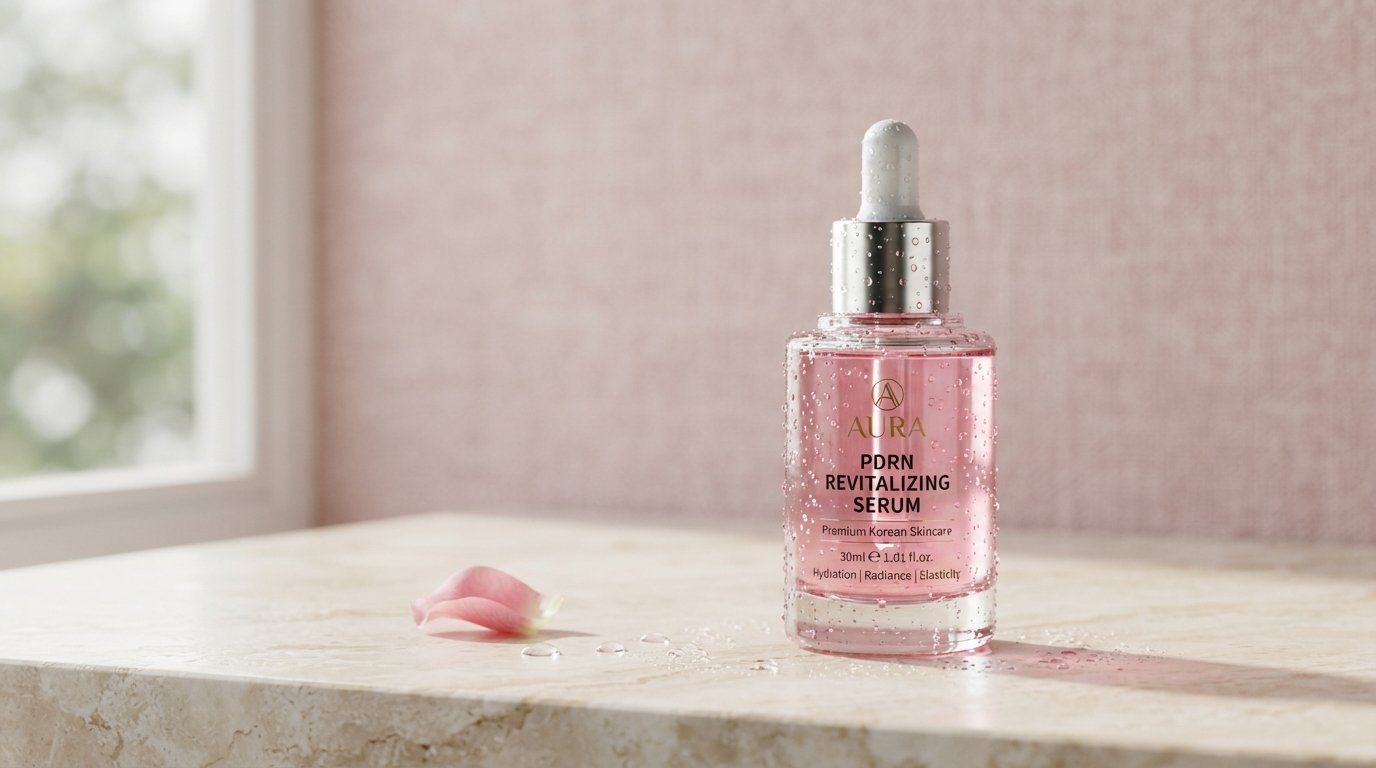
Skincare is moving beyond complicated, ten-step routines toward targeted formulas designed to support hydration, smoother-looking texture, and a healthy skin barrier. One ingredient attracting attention in Korean beauty is PDRN, short for polydeoxyribonucleotide. It is appearing in facial serums, moisturizers, and other skincare products marketed for a refreshed, hydrated, and more youthful-looking complexion.
If you have recently seen pink serums, regenerative skincare claims, or products promising glass skin, you may have encountered PDRN. Some formulas combine it with peptides, hyaluronic acid, or other moisturizing ingredients to create a multi-benefit product.
However, popularity does not automatically mean that every claim is scientifically proven. Topical PDRN skincare is not the same as a professional injection or medical procedure, and results depend on the formulation, the person’s skin, and the rest of their routine.
This guide explains what PDRN serum for skin is, its potential benefits, what the research can and cannot tell us, how to use it, and what to check before buying one.
Table of Contents
- What Is PDRN Serum for Skin?
- How Does PDRN Work?
- Potential Benefits of PDRN Serum
- PDRN Serum vs. Peptides vs. Hyaluronic Acid
- Who May Benefit From PDRN Serum?
- How to Use PDRN Serum in Your Routine
- Possible Side Effects and Safety Considerations
- How to Choose a PDRN Serum
- Common Mistakes to Avoid
- Frequently Asked Questions
- Final Thoughts
1. What Is PDRN Serum for Skin?
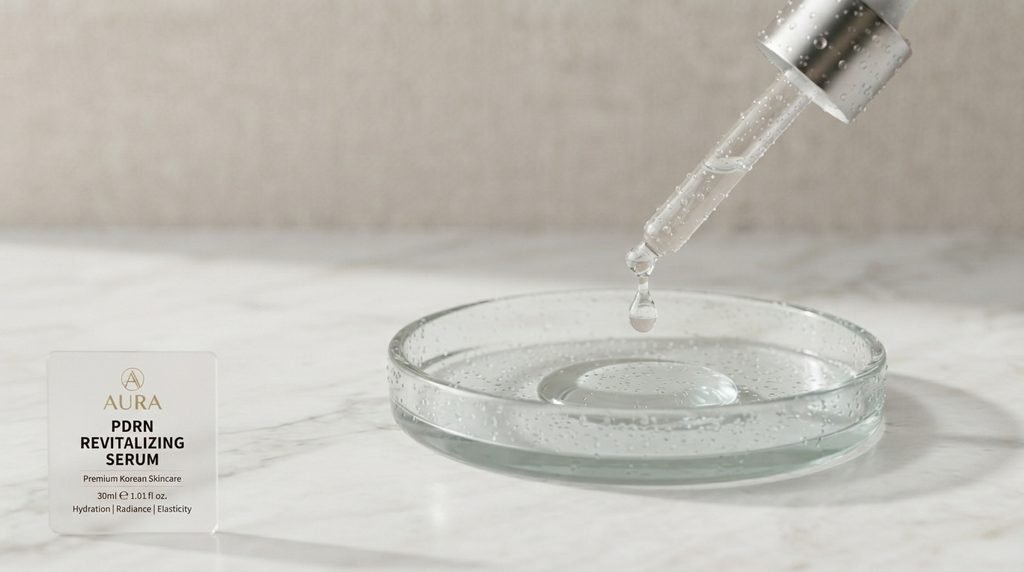
PDRN stands for polydeoxyribonucleotide, a group of DNA-derived fragments studied for their biological activity and potential role in tissue repair. In medical and cosmetic contexts, PDRN has been investigated for applications involving tissue recovery and skin-related concerns.
In topical skincare, PDRN is used as an ingredient in products intended to support the appearance and feel of the skin. These products may be described as skin-repairing, revitalizing, hydrating, or anti-aging serums.
The source of PDRN can vary by product and manufacturing process. Some established PDRN preparations have been derived from fish DNA, while the source and technology used in individual cosmetic products should be verified from the manufacturer’s information.
It is important to distinguish between three different things:
- Topical PDRN serum: A cosmetic product applied to the skin’s surface.
- Professional PDRN treatment: A treatment administered in a clinical setting, with its own formulation and delivery method.
- Other DNA-derived skincare ingredients: Ingredients that may be marketed under related terminology but are not necessarily identical in composition or evidence.
These products should not be treated as interchangeable. Evidence about a medical preparation does not automatically establish that an over-the-counter serum will produce the same effects.
2. How Does PDRN Work?
PDRN has been studied for biological pathways associated with tissue repair and cellular responses. Research on particular preparations suggests that its effects may involve adenosine A2A receptor-related signaling and processes associated with inflammation and tissue recovery.
However, the science behind PDRN is more complicated than the simplified marketing message that it automatically rebuilds skin or stimulates collagen.
When applied topically, a skincare ingredient must interact with the skin’s outer barrier. Its molecular characteristics, the formulation, and the delivery system all influence how much of it can reach relevant skin layers.
That means the effects observed in laboratory research or clinical treatments cannot simply be assumed to occur when a cosmetic serum is applied at home.
For consumers, the practical takeaway is straightforward: PDRN is an interesting skincare ingredient, but the strength of evidence for any particular serum depends on the actual product and the type of research supporting its claims.
3. Potential Benefits of PDRN Serum for Skin
Supports a hydrated, plump appearance
Some PDRN serums contain humectants such as glycerin or hyaluronic acid. These ingredients attract and retain water in the outer layers of the skin, helping it look smoother and feel more comfortable.
When the skin is adequately hydrated, fine lines caused by dryness may appear less noticeable. This effect should not be confused with permanently removing wrinkles.
If hydration is your primary goal, check the complete ingredient list rather than relying on PDRN alone.
May improve the appearance of skin texture
A well-formulated serum can help skin look smoother by supporting hydration and reducing the feeling of roughness associated with dryness.
Some products also contain niacinamide, soothing agents, or other ingredients that contribute to a more even-looking complexion. If you notice a change after using a multi-ingredient serum, it may not be possible to attribute the improvement to PDRN alone.
May complement a skin-barrier-focused routine
The skin barrier helps limit moisture loss and protects against external irritants. A routine containing a gentle cleanser, a suitable moisturizer, and daily sunscreen is a more reliable starting point than an elaborate collection of trendy actives.
PDRN serums may complement such a routine, especially when their supporting ingredients are appropriate for your skin type. Nevertheless, PDRN should not be considered a substitute for proven barrier-supporting ingredients such as ceramides, or for basic moisturizing care.
May support a fresher-looking complexion
Hydration can temporarily improve the appearance of dull or tired-looking skin. Some users may prefer the lightweight texture and layering properties of a serum that combines PDRN with other moisturizing ingredients.
Claims about long-term radiance, firmness, or regeneration require stronger product-specific evidence than a general promise of improved skin appearance.
May be an option for people interested in emerging skincare ingredients
For beauty enthusiasts who enjoy exploring new formulations, PDRN represents an emerging area of interest in regenerative skincare.
The important distinction is between trying an ingredient because it interests you and purchasing it because you expect a guaranteed medical or anti-aging result. A sensible purchase should be based on the formula, the price, your skin’s needs, and the evidence available.
4. PDRN Serum vs. Peptides vs. Hyaluronic Acid
These ingredients are often discussed together, but they serve different roles in skincare.
| Ingredient | Main skincare role | What to expect |
|---|---|---|
| PDRN | Emerging ingredient studied for tissue-repair-related biological activity | Cosmetic benefits depend on the formula and delivery |
| Peptides | A varied group of ingredients used in formulations targeting firmness, hydration, or the appearance of aging | Effects differ by peptide and product |
| Hyaluronic acid | Humectant that attracts water | Helps skin feel hydrated and look temporarily plumper |
| Ceramides | Lipids that support the skin barrier | Help reduce moisture loss when used in suitable formulations |
| Niacinamide | Multifunctional skincare ingredient | May support the barrier and improve the appearance of uneven tone |
A product containing PDRN, peptides, and hyaluronic acid may offer several complementary formulation benefits. However, a longer ingredient list does not automatically make a serum more effective.
Choose the ingredients that address your main concern rather than buying every product associated with a viral trend.
5. Who May Benefit From PDRN Serum?
PDRN serum may interest people who want to explore newer skincare formulations, particularly those seeking additional hydration or a smoother-looking complexion.
It may be worth considering if:
- Your skin feels dehydrated and you want a serum that complements your moisturizer.
- You prefer lightweight products that fit into a short routine.
- You are interested in Korean skincare innovations.
- You want to try an emerging ingredient while keeping realistic expectations.
- You have found a well-labeled product that suits your budget and skin type.
However, PDRN is not essential for healthy skin. You can maintain an effective skincare routine without it.
People with persistent acne, eczema, rosacea, unexplained irritation, or other ongoing skin concerns should focus on appropriate care rather than assuming a trendy serum will treat the underlying condition. A dermatologist can help identify more suitable options.
6. How to Use PDRN Serum in Your Routine
Introducing a new serum gradually makes it easier to identify irritation and determine whether the product suits your skin.
Morning routine
Step 1: Cleanse gently. Use a cleanser that removes excess oil and impurities without leaving your skin tight or uncomfortable.
Step 2: Apply PDRN serum. If the label recommends application to clean skin, use the indicated amount on your face. Avoid the eyes and any areas the product instructions exclude.
Step 3: Moisturize. Apply a moisturizer suitable for your skin type. A cream containing ceramides may be helpful if your skin tends to feel dry.
Step 4: Apply sunscreen. Finish with broad-spectrum SPF 30 or higher. If you spend time outdoors, reapply according to the sunscreen label and local sun exposure.
Evening routine
Step 1: Remove sunscreen and makeup. Use an appropriate cleanser, or a first cleansing step followed by a gentle cleanser if needed.
Step 2: Apply the serum. Follow the product’s instructions. More product does not necessarily mean better results.
Step 3: Use moisturizer. Finish with a moisturizer that helps keep your skin comfortable overnight.
Can you combine PDRN with other ingredients?
Many cosmetic serums can fit into routines containing other skincare ingredients, but compatibility depends on the complete formula.
- Hyaluronic acid: Often used alongside PDRN for hydration.
- Ceramides: Can complement a routine focused on barrier support.
- Niacinamide: May be suitable in the same routine, depending on the formulas.
- Retinoids: May be compatible, but introduce products gradually and monitor irritation.
- Exfoliating acids: Avoid adding several new actives at once, especially if your skin is sensitive.
Follow the manufacturer’s directions and avoid layering multiple products simply because they are trending. If your skin becomes irritated, simplify your routine.
7. Possible Side Effects and Safety Considerations
PDRN serum is not automatically suitable for everyone. Reactions can occur because of the active ingredient, preservatives, fragrances, botanical extracts, or other components in the formula.
Possible problems include:
- Redness or itching.
- Stinging or burning.
- Dryness or irritation.
- Breakouts or discomfort associated with a particular formulation.
- Allergic reactions to one or more ingredients.
Do a patch test first
Apply a small amount of the product to a limited area of skin according to the product’s instructions. Monitor the area for irritation before using the serum more widely. A patch test can reduce uncertainty but cannot guarantee that a reaction will not occur later.
Do not apply the product to broken or inflamed skin unless a qualified clinician specifically advises you to do so.
Check the source and labeling
If you avoid fish-derived ingredients because of an allergy, dietary restriction, or personal preference, check the ingredient information and ask the manufacturer about the source of its PDRN.
Do not assume that every product marketed as PDRN has the same source or manufacturing method.
Understand the difference between cosmetic and medical treatments
A topical serum is not equivalent to an injectable treatment. Never inject a cosmetic serum or attempt to reproduce a professional procedure at home.
If you are pregnant, breastfeeding, undergoing dermatological treatment, or managing a significant skin condition, ask a qualified healthcare professional about any ingredient or procedure that raises concerns.
Seek medical advice if you develop persistent irritation, swelling, or a worsening skin reaction. Severe swelling or difficulty breathing requires emergency medical care.
8. How to Choose a PDRN Serum
Before purchasing a product, evaluate its formulation and the credibility of its claims.
Read the complete ingredient list
Look for supporting ingredients that match your needs. Glycerin and hyaluronic acid may be useful for hydration, while ceramides can complement barrier-focused care.
Do not judge a product only by the concentration or prominence of PDRN in its advertising.
Check the product’s source
Look for clear manufacturer information about ingredient sourcing, formulation, directions, and appropriate use. If the source is important to you, seek explicit confirmation rather than relying on assumptions.
Look for realistic claims
Be cautious of promises that a serum will erase wrinkles, regenerate skin completely, or deliver results identical to a clinic-based procedure.
Reliable product information should explain intended cosmetic benefits without presenting preliminary research as a guarantee.
Choose according to your skin type
Dry skin: Consider a serum paired with a richer moisturizer.
Oily skin: Look for a lightweight, non-greasy formula that layers comfortably.
Combination skin: A lightweight serum followed by moisturizer on drier areas may be practical.
Sensitive skin: Prefer a simple formula without unnecessary fragrance, introduce it slowly, and stop if irritation develops.
Consider the price
An expensive PDRN serum is not automatically better than a less expensive moisturizer or serum. If your budget is limited, prioritize a gentle cleanser, moisturizer, and sunscreen before purchasing an optional trend-driven product.
9. Common Mistakes to Avoid
Expecting overnight transformation
A hydrated appearance may be noticeable relatively quickly, but longer-term cosmetic improvements vary. Give a product a reasonable trial period if it suits your skin, while remembering that there is no guaranteed timeline for PDRN results.
Replacing sunscreen with a serum
A PDRN serum does not replace sun protection. Daily sunscreen remains an important part of protecting skin from ultraviolet exposure and premature photoaging.
Using too many new products together
Introducing several serums, acids, retinoids, and masks simultaneously makes it difficult to identify the source of irritation. Add one new product at a time.
Trusting viral marketing without checking the evidence
Social media can introduce consumers to interesting products, but popularity is not proof of effectiveness. Check the ingredient list, manufacturer information, and quality of the evidence behind the claims.
Confusing professional treatments with topical skincare
Research involving injections, clinical procedures, or specific medical preparations does not establish that every over-the-counter PDRN serum delivers the same results.
10. Frequently Asked Questions
What does PDRN serum do for skin?
PDRN is an emerging skincare ingredient studied for biological activity related to tissue repair. Topical products may support a routine focused on hydration and smoother-looking skin, but the results depend on the formulation and the available product-specific evidence.
Is PDRN serum better than hyaluronic acid?
Not necessarily. Hyaluronic acid is a well-established humectant that helps attract water to the skin’s outer layers. PDRN is a different ingredient with a different evidence base. If dehydration is your main concern, a well-formulated hydrating serum may be sufficient.
Can I use PDRN serum every day?
Some products are designed for regular use, but you should follow the specific label instructions. Start gradually if you have sensitive skin, and discontinue use if irritation develops.
Is PDRN serum suitable for sensitive skin?
It may be suitable for some people, but suitability depends on the full ingredient list and individual tolerance. Check for potential irritants, patch test first, and consult a dermatologist if you have a persistent skin condition.
Does PDRN serum stimulate collagen?
PDRN has been studied in biological and clinical contexts related to tissue repair, but it is not appropriate to assume that every topical serum stimulates collagen to a clinically meaningful degree. Product-specific evidence is needed to support that claim.
How long does PDRN serum take to work?
There is no universal timeline. Hydration-related changes may be noticeable sooner than changes in skin texture or firmness. The outcome depends on the formula, frequency of use, and individual skin characteristics.
Is PDRN serum worth buying?
It may be worth trying if you are interested in emerging skincare ingredients and have already established a basic routine. It is optional rather than essential, and the purchase should depend on credible claims, ingredient quality, personal preferences, and budget.
11. Final Thoughts
PDRN serum for skin is an interesting development in the growing world of Korean and regenerative-inspired skincare. Its popularity reflects a wider interest in formulas designed to support hydration, skin comfort, and a smoother-looking complexion.
Nevertheless, the distinction between promising ingredient research and proven results from a particular cosmetic product matters. A topical serum should not be expected to reproduce the effects of an injection or professional procedure, and stronger claims require stronger evidence.
For most people, the best approach is to build a simple routine around gentle cleansing, appropriate moisturizing, and daily sunscreen. If a well-formulated PDRN serum fits your needs and budget, it can be an optional addition rather than a replacement for those essentials.
Choose products based on their ingredients, transparent labeling, and realistic benefits—not just viral popularity. Consistent, appropriate skincare is a more dependable foundation than chasing every new trend.