
Introduction
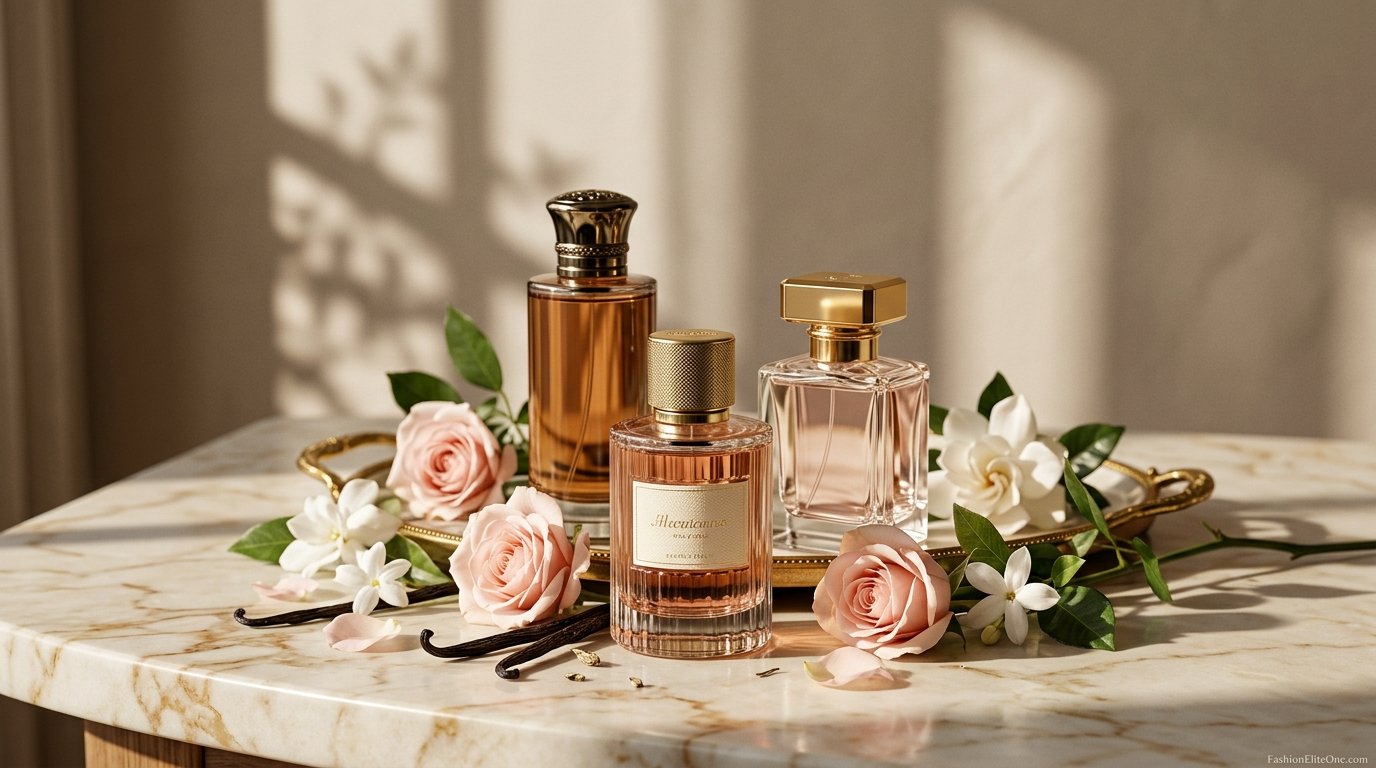
Have you ever wished your perfume smelled a little sweeter, warmer, fresher, or more luxurious? Perhaps you love the fragrance of vanilla but want something more sophisticated. Or maybe you enjoy oud but would prefer to soften its intensity with a delicate floral scent. This is where perfume layering becomes an exciting part of your beauty routine.
Perfume layering is the art of combining two or more fragrances to create a scent that feels personal and distinctive. Instead of relying on just one perfume, you can experiment with complementary fragrance notes, scented body products, perfume oils, and different fragrance concentrations to develop your own signature scent.
This practice has deep cultural connections with Middle Eastern perfumery, where oud, musk, rose, attar, and bakhoor have long played an important role in personal fragrance rituals. Today, it is also gaining international attention as beauty enthusiasts explore more creative ways to wear fragrance.
The growing interest in scent stacking reflects a wider shift toward personalized beauty. Pinterest’s 2026 trend report highlights rising interest in perfume layering combinations and niche fragrance collections.
The best part is that you do not need an expensive perfume collection to begin. Two fragrances that complement one another can be enough to create something beautiful.
In this complete perfume layering guide, you will learn how to combine fragrances, which notes work well together, how to layer oud and rose, how to build a fragrance routine for different seasons, and how to avoid combinations that become overwhelming.
Whether you live in the United States, United Kingdom, Saudi Arabia, UAE, Qatar, Kuwait, Bahrain, Oman, Türkiye, or Egypt, these practical tips can help you create a fragrance experience suited to your personal style and climate.
Table of Contents
- Introduction
- What Is Perfume Layering?
- Why Is Perfume Layering Becoming Popular?
- Understanding Fragrance Notes Before Layering
- Top Notes
- Heart Notes
- Base Notes
- How to Layer Perfume: A Step-by-Step Guide
- The Best Perfume Layering Combinations to Try
- Vanilla and Rose
- Oud and Rose
- Vanilla and Musk
- Citrus and Woody Notes
- Amber and Vanilla
- Jasmine and Sandalwood
- White Musk and Citrus
- Patchouli and Vanilla
- How to Layer Middle Eastern Perfumes
- Perfume Layering for Different Seasons
- Perfume Layering Tips for Hot and Humid Climates
- Perfume Layering for Work, Travel, and Special Occasions
- Common Perfume Layering Mistakes to Avoid
- How to Build a Small Perfume Layering Collection
- How to Find Your Own Signature Layered Scent
- Is Perfume Layering Suitable for Everyone?
- Frequently Asked Questions About Perfume Layering
- Final Thoughts
What Is Perfume Layering?
Perfume layering is the practice of wearing two or more fragrances together to create a combined scent profile.
Rather than using a single perfume on its own, you combine different fragrance compositions or scented products so their aromas complement one another.
For example, imagine combining a warm vanilla perfume with a fresh floral fragrance. Vanilla provides sweetness and warmth, while the floral fragrance introduces freshness and softness.
The result can feel different from either perfume when worn individually.
Layering does not necessarily mean spraying several perfumes directly on top of each other. You can apply fragrances to different pulse points, combine perfume oils with sprays, or build a scent using matching body lotions and shower products.
Why Is Perfume Layering Becoming Popular?
People are increasingly interested in fragrances that express their individual preferences rather than simply following popular perfume recommendations.
Several factors contribute to this interest:
- Personalization: Combining fragrances allows you to create a scent that reflects your taste.
- Creativity: You can experiment with different fragrance families and discover unexpected combinations.
- Versatility: The same perfume can create different impressions when paired with another scent.
- Fragrance wardrobes: Instead of depending on one signature perfume, you can create different combinations for different occasions.
- Cultural inspiration: Traditional Middle Eastern fragrance rituals have helped introduce more people to the art of combining oud, musk, rose, oils, and incense.
Perfume layering is not a completely new invention. It has a long history in different fragrance cultures, particularly in the Middle East.
Understanding Fragrance Notes Before Layering
Before experimenting with different perfumes, it helps to understand fragrance notes.
Every perfume has its own composition. Some fragrances smell bright and fresh, while others are sweet, floral, woody, spicy, or musky.
Understanding these characteristics makes it easier to select fragrances that complement one another.
1. Top Notes
Top notes are the first impressions you notice after applying perfume.
They are often lighter and more volatile than the deeper parts of a fragrance.
Common top notes include:
- Bergamot
- Lemon
- Mandarin
- Grapefruit
- Pink pepper
- Green notes
- Fresh herbs
Fresh and citrus-based fragrances can work beautifully as lighter layers because they introduce brightness to richer perfumes.
2. Heart Notes
Heart notes become more noticeable as the opening develops.
They help establish the central character of the fragrance.
Common heart notes include:
- Rose
- Jasmine
- Lavender
- Ylang-ylang
- Orange blossom
- Geranium
- Spices
Floral heart notes can soften woody fragrances or add elegance to sweeter combinations.
3. Base Notes
Base notes provide depth and help shape the fragrance’s dry-down.
They often remain noticeable after the brighter opening notes have faded.
Popular base notes include:
- Vanilla
- Sandalwood
- Oud
- Amber accords
- Patchouli
- Musk
- Vetiver
- Tonka bean
These notes can create a beautiful foundation for perfume layering.
For example, a warm vanilla or amber fragrance can provide depth beneath a lighter floral or citrus scent.
How to Layer Perfume: A Step-by-Step Guide
If you are new to fragrance layering, start with two scents rather than combining several perfumes immediately.
A simple approach makes it easier to understand how each fragrance behaves and whether the final result suits your preferences.
Step 1: Choose Your Main Fragrance
Begin with a perfume you already enjoy wearing.
This will become the foundation of your combination.
Think about its overall personality.
Is it:
- Sweet and creamy?
- Fresh and citrusy?
- Floral and romantic?
- Woody and earthy?
- Warm and spicy?
- Musky and clean?
Identifying its main character will help you choose a suitable second fragrance.
Step 2: Select a Complementary Fragrance
Choose another scent that introduces something different without competing too strongly.
For example:
- Vanilla and rose create a soft, sweet floral combination.
- Oud and citrus balance richness with freshness.
- Musk and jasmine create a clean, elegant impression.
- Amber and sandalwood provide warmth and depth.
You do not have to choose perfumes from the same brand. However, it is useful to begin with fragrance families that naturally complement each other.
Step 3: Test the Fragrances Separately
Before applying both perfumes to your skin, spray each one onto a separate fragrance testing strip.
Bring the strips close together and observe how the aromas interact.
This gives you an initial impression without committing to wearing the combination throughout the day.
Remember that paper and skin can produce different fragrance experiences, so a successful strip test should always be followed by a small skin test.
Step 4: Apply the First Layer
Apply your chosen base fragrance to a pulse point or another suitable area.
For richer fragrances such as oud, amber, or concentrated musk, begin with a light application.
Allow the fragrance to settle before adding the next layer.
Step 5: Add the Second Fragrance
Apply your lighter or complementary fragrance to another pulse point.
You can also apply it to a separate area of the body to observe how the fragrances develop without immediately mixing them.
For example, you might place a warm woody fragrance on one wrist and a soft floral perfume on the other.
Step 6: Allow the Combination to Develop
Do not judge a perfume combination immediately after spraying.
Give the fragrances time to settle and develop.
Notice whether the opening remains pleasant, whether the heart notes complement one another, and whether the dry-down feels balanced.
If the combination becomes too sweet, heavy, or sharp, adjust the number of sprays or choose a softer companion fragrance next time.
The Best Perfume Layering Combinations to Try
The most successful combinations often balance different fragrance characteristics.
Here are some approachable ideas for building your own fragrance wardrobe.
1. Vanilla and Rose
Vanilla and rose create a romantic and elegant combination.
Vanilla introduces creamy sweetness, while rose adds a delicate floral character.
This pairing works particularly well for people who enjoy feminine floral fragrances with a warm finish.
It can be suitable for:
- Romantic evenings
- Dinner dates
- Special occasions
- Autumn and winter
- Elegant everyday wear
For a softer result, choose a light rose fragrance rather than an extremely rich floral composition.
2. Oud and Rose
Oud and rose are among the most recognizable combinations associated with Middle Eastern fragrance traditions.
Oud often has a deep, woody, resinous, or smoky character, depending on the composition. Rose introduces a floral dimension that can soften the overall impression.
This pairing can feel luxurious and expressive.
It is particularly appealing for:
- Evening occasions
- Weddings
- Celebrations
- Formal gatherings
- Cooler weather
If your oud perfume is very concentrated, use a small amount and allow the rose fragrance to add a lighter floral dimension.
3. Vanilla and Musk
Vanilla and musk create a soft, warm, and comfortable scent profile.
Vanilla contributes sweetness, while musk can add a clean, smooth, or powdery impression.
This combination is useful for people who prefer understated fragrances that feel polished rather than dramatic.
It can be worn for:
- Everyday activities
- Office environments, with restrained application
- Casual gatherings
- Relaxed evenings
- Travel
A gentle musk fragrance can balance a sweeter vanilla perfume without making the overall combination feel too heavy.
4. Citrus and Woody Notes
If you prefer fresh fragrances, citrus and woody notes are worth exploring.
Citrus provides brightness, while sandalwood, cedarwood, or vetiver can add structure and warmth.
This combination can work especially well in warmer climates.
Consider it for:
- Spring and summer
- Daytime activities
- Travel
- Outdoor gatherings
- Smart casual occasions
For a fresh result, choose a light citrus fragrance and pair it with a relatively soft woody perfume.
5. Amber and Vanilla
Amber and vanilla create a rich, warm fragrance combination.
This pairing is ideal for people who enjoy sweet and cozy perfumes with a luxurious character.
It may be particularly appealing during autumn and winter or for evening events.
However, both notes can become quite prominent when used together, so start with a light application.
6. Jasmine and Sandalwood
Jasmine and sandalwood offer a beautiful contrast between floral brightness and creamy woody warmth.
Jasmine introduces a recognizable floral character, while sandalwood provides a smooth foundation.
This pairing can suit people who enjoy sophisticated fragrances that are neither excessively sweet nor overly fresh.
7. White Musk and Citrus
White musk and citrus create a clean, refreshing combination.
Citrus notes introduce brightness, while musk helps give the overall fragrance a softer finish.
It can be a practical choice for everyday wear, particularly in warmer environments.
8. Patchouli and Vanilla
Patchouli and vanilla combine earthy depth with sweetness.
Patchouli can smell woody, earthy, or slightly green, while vanilla adds warmth and softness.
The contrast can create a more complex fragrance experience than wearing either note alone.
This pairing may appeal to people who enjoy deeper, slightly sweet fragrances for evenings and cooler weather.
How to Layer Middle Eastern Perfumes
Middle Eastern perfumery has a particularly rich tradition of combining different fragrance formats and aromatic materials.
In countries such as Saudi Arabia, the UAE, Qatar, Kuwait, Bahrain, and Oman, oud, musk, rose, attar, and bakhoor are familiar parts of fragrance culture.
These materials and formats can be incorporated into a modern layering routine.
Understanding Attar
Attar is a concentrated fragrance oil traditionally associated with botanical ingredients and perfumery materials.
Depending on the formulation, attars can feature rose, oud, musk, sandalwood, or other aromatic materials.
They are generally applied in small quantities rather than sprayed like conventional perfumes.
A small amount of attar can create a foundation for a complementary fragrance.
How to Combine Oud and Attar
If you enjoy oud, consider pairing it with a softer rose or musk attar.
Start with a tiny amount of the oil on a suitable pulse point.
Allow it to settle before applying a complementary fragrance spray.
Avoid applying concentrated fragrance products excessively, especially if you are unfamiliar with their strength.
Understanding Bakhoor
Bakhoor refers to aromatic wood chips or other fragrant materials used in traditional incense practices.
It is commonly associated with Middle Eastern hospitality and fragrance rituals.
Bakhoor can scent the surrounding environment and, depending on the practice, clothing.
It should not be treated like a regular body perfume.
Use an appropriate incense burner, follow the manufacturer’s safety instructions, and keep burning materials away from skin, hair, children, pets, and flammable objects.
Never expose clothing or hair directly to flames.
A Simple Middle Eastern-Inspired Fragrance Routine
A contemporary routine can be kept simple:
- Start with clean, moisturized skin.
- Apply a small amount of a compatible fragrance oil.
- Add one complementary perfume spray.
- Allow the fragrance to develop naturally.
- If desired, use bakhoor separately in a safe, ventilated environment.
This approach takes inspiration from traditional fragrance practices without requiring an extensive collection of products.
Perfume Layering for Different Seasons
Temperature and humidity can influence how fragrances are experienced.
A combination that feels beautiful during winter may become overwhelming in a hot and humid environment.
For this reason, it is useful to adjust your fragrance combinations according to the season.
Spring
Spring is a lovely time to explore floral and fresh combinations.
Try:
- Rose and musk
- Jasmine and citrus
- Peony-inspired florals and vanilla
- Orange blossom and sandalwood
Choose balanced combinations that feel light and comfortable.
Summer
In summer, fresh and airy fragrance profiles can feel more comfortable.
Consider:
- Citrus and white musk
- Bergamot and soft woods
- Fresh florals and clean musk
- Green notes and light sandalwood
In hot weather, use fewer sprays and avoid combining several powerful fragrances.
Autumn
Autumn is an excellent season for warmer fragrance combinations.
Try:
- Vanilla and amber
- Rose and sandalwood
- Musk and patchouli
- Spices and soft woods
These combinations can provide depth without necessarily becoming overly sweet.
Winter
Winter allows more room for rich and expressive fragrance combinations.
Consider:
- Oud and rose
- Vanilla and amber
- Sandalwood and musk
- Tonka-inspired sweetness and woods
Even in cooler weather, balance is important. A strong fragrance combination should feel intentional rather than overwhelming.
Perfume Layering Tips for Hot and Humid Climates
People living in Saudi Arabia, the UAE, Qatar, Kuwait, Bahrain, Oman, Egypt, and other warm regions may need a slightly different approach.
High temperatures can change how a fragrance is perceived, and humidity can influence the overall wearing experience.
Here are some practical considerations.
Choose Lighter Combinations During the Day
A heavy oud perfume paired with an intensely sweet vanilla fragrance may feel too strong in hot weather.
Instead, experiment with:
- Citrus and musk
- Rose and fresh woods
- Light florals and sandalwood
- Soft amber and clean musk
Apply Less Product
More perfume does not automatically mean a better fragrance experience.
Begin with a small amount and adjust according to your surroundings.
This is particularly important in offices, restaurants, public transport, and other shared spaces.
Consider Your Environment
Air-conditioned indoor environments can feel quite different from outdoor heat.
A fragrance that feels comfortable in an air-conditioned room may become more noticeable outdoors.
Consider the temperature and setting before applying additional layers.
Moisturize Before Applying Perfume
Using a suitable, fragrance-free moisturizer can provide a comfortable base for fragrance application.
Some people find that perfume wears differently on moisturized skin compared with very dry skin.
However, moisturizing does not guarantee a particular number of additional hours of fragrance performance.
Perfume Layering for Work, Travel, and Special Occasions
Different occasions call for different fragrance styles.
For the Office
Choose subtle combinations that remain comfortable in shared spaces.
Good options include:
- White musk and citrus
- Soft rose and sandalwood
- Light vanilla and clean musk
Avoid applying multiple strong fragrances before entering enclosed environments.
For Everyday Wear
Everyday layering should be simple and easy to maintain.
A fresh floral fragrance paired with soft musk can provide a polished impression without requiring a complicated routine.
For Evening Events
Evening occasions provide more flexibility for richer fragrance combinations.
Try:
- Oud and rose
- Amber and vanilla
- Sandalwood and jasmine
- Patchouli and warm musk
Apply conservatively and consider the size of the venue.
For Weddings and Celebrations
If you enjoy expressive fragrances, a combination of oud, rose, amber, or musk can create a memorable fragrance profile.
However, fragrance sensitivity varies between people, so it is considerate to avoid excessive application in crowded indoor venues.
For Travel
Travel-friendly fragrance routines should be practical.
Consider taking two versatile perfumes that can be worn individually or combined.
Always check airline rules for liquids and follow the storage guidance on your fragrance products.
Common Perfume Layering Mistakes to Avoid
Experimenting with fragrance is enjoyable, but some combinations require more care.
1. Combining Too Many Strong Perfumes
One of the biggest mistakes is assuming that more fragrances automatically create a more luxurious result.
Several intense perfumes can compete with one another.
Start with two fragrances and only experiment further when you understand how the combination develops.
2. Ignoring Fragrance Families
Some combinations naturally complement one another, while others may feel unbalanced.
For example, combining an extremely sweet gourmand fragrance with another very sweet composition can create an overwhelming result.
Try pairing contrasting but compatible characteristics instead.
3. Applying Too Much Oud
Oud can be a powerful fragrance material, depending on the composition.
A small amount may be enough, especially when combining it with another perfume.
Begin conservatively.
4. Rubbing Your Wrists Together
Rubbing freshly applied perfume can interfere with how you experience its opening.
Instead, allow the fragrance to settle naturally.
5. Layering Without Testing
Never assume that two perfumes will smell beautiful together simply because you enjoy each individually.
Test them on separate fragrance strips first, followed by a small skin test.
6. Applying Fragrance to Irritated Skin
Fragrance products can irritate sensitive skin.
Avoid applying perfume oils or sprays to broken, irritated, or recently shaved skin if it causes discomfort.
If a product produces persistent redness, burning, or itching, stop using it.
7. Expecting Every Combination to Last Longer
Layering can change the character and intensity of a fragrance, but it does not guarantee longer wear.
Performance depends on the individual formulas, concentration, application, skin, temperature, and other conditions.
How to Build a Small Perfume Layering Collection
You do not need twenty perfumes to start creating interesting combinations.
A small, carefully selected collection can offer plenty of flexibility.
Consider beginning with these fragrance styles:
1. A Fresh Citrus Perfume
Look for a fragrance featuring bergamot, lemon, mandarin, or other fresh citrus notes.
It can provide brightness to richer combinations.
2. A Soft Floral Perfume
Rose, jasmine, orange blossom, and other floral fragrances can complement woody, musky, and sweet perfumes.
3. A Warm Vanilla Fragrance
Vanilla is a versatile note that can work with florals, amber, woods, and some musky compositions.
4. A Woody or Oud Fragrance
A woody perfume can provide depth and structure.
If you enjoy Middle Eastern fragrance styles, an oud-based fragrance is an interesting addition.
5. A Clean Musk Fragrance
Musk can add softness and balance to a variety of fragrance combinations.
When building your collection, consider your existing perfumes before purchasing new products.
You may already own fragrances that work beautifully together.
How to Find Your Own Signature Layered Scent
Creating a signature combination should be a personal process rather than a strict set of rules.
Start by identifying the fragrance notes you naturally enjoy.
Perhaps you love:
- Sweet vanilla
- Fresh citrus
- Soft rose
- Warm amber
- Creamy sandalwood
- Clean musk
- Rich oud
Choose two complementary fragrances and experiment with different application amounts.
Keep a small fragrance journal to record the combinations you try.
You can note:
- Which perfumes you combined.
- Which fragrance you applied first.
- How many sprays or drops you used.
- How the opening smelled.
- How the fragrance developed.
- Whether you enjoyed the final dry-down.
- The weather and occasion.
Over time, you may discover a combination that feels particularly suited to your style.
You can also create different fragrance combinations for different moods.
A fresh citrus and musk combination might become your daytime choice, while rose and oud could become your preferred evening pairing.
Your fragrance wardrobe can evolve with the seasons and your personal preferences.
Is Perfume Layering Suitable for Everyone?
Perfume layering can be enjoyable, but it is not necessary for everyone.
Some people prefer wearing one carefully selected fragrance without combining it with anything else.
Others enjoy experimenting with perfume oils, body lotions, hair fragrances, and multiple sprays.
The right approach depends on your preferences and skin tolerance.
If you have sensitive skin, start with products you already tolerate and test new products cautiously.
Fragrance ingredients can trigger irritation or allergic reactions in some individuals.
Avoid layering several new products simultaneously because it can make it difficult to identify which product caused a reaction.
If you experience persistent skin irritation, discontinue the products and consider professional advice.
People who are sensitive to strong smells may also prefer a single light fragrance rather than multiple layers.
Frequently Asked Questions About Perfume Layering
What is the best way to layer perfume?
Start with two complementary fragrances. Apply a small amount of your chosen base scent, allow it to settle, and add the second fragrance to another suitable pulse point. Test the combination before wearing it regularly.
Which perfumes smell good together?
Vanilla and rose, oud and rose, vanilla and musk, citrus and sandalwood, and jasmine and sandalwood are useful combinations to explore. The final result depends on the specific perfume compositions.
Should you apply perfume layering products from lightest to heaviest?
There is no universal rule for every combination. When combining different concentrations or textures, a lighter-to-heavier approach may work in some situations, while richer base fragrances may be applied first in others. Experiment on separate skin areas to discover what works best.
Can you layer two different perfume brands?
Yes. Perfumes from different brands can be combined. The most important consideration is whether their fragrance profiles complement one another.
Can you layer oud with vanilla?
Yes. Oud and vanilla can create a warm, rich combination. Start with a small amount of each, particularly if the oud perfume is concentrated.
Does perfume layering make fragrance last longer?
Not necessarily. Layering may change the fragrance’s intensity and overall character, but longer wear is not guaranteed. Individual formulas, skin, climate, and application all matter.
How many perfumes should you layer at once?
Two perfumes are a sensible starting point. More can be introduced gradually, but too many strong compositions may become difficult to balance.
Is perfume layering popular in the Middle East?
Fragrance layering has longstanding cultural roots in Middle Eastern perfumery. Oud, musk, rose, attar, and bakhoor have traditionally been used in different combinations. Modern fragrance layering also draws inspiration from these practices.
Can I layer perfume with body lotion?
Yes. A compatible scented lotion or an unscented moisturizer can be used as part of a fragrance routine. Choose products suitable for your skin and avoid combinations that cause irritation.
Is perfume layering suitable for summer?
Yes. Fresh citrus, light florals, soft woods, and clean musk can work well together in warmer weather. Use a lighter application to avoid an overpowering result.
Final Thoughts
Perfume layering is a beautiful way to explore fragrance beyond the traditional idea of wearing one perfume at a time.
By combining complementary notes, experimenting with different fragrance families, and understanding how perfumes develop, you can create combinations that reflect your individual style.
Whether you prefer soft vanilla and musk, romantic rose and sandalwood, refreshing citrus and woods, or the rich character of oud and amber, there are many possibilities to explore.
For beginners, the best approach is to start with two fragrances, test them carefully, and pay attention to how they develop on your skin.
You do not need an expensive collection or complicated fragrance routine to get started. A few carefully chosen perfumes can offer plenty of opportunities for creativity.
From everyday freshness to elegant evening combinations, perfume layering allows you to make your fragrance wardrobe more personal.
Ultimately, the best layered scent is the one you genuinely enjoy wearing. It should complement your personality, suit your surroundings, and make you feel comfortable and confident.