
Introduction
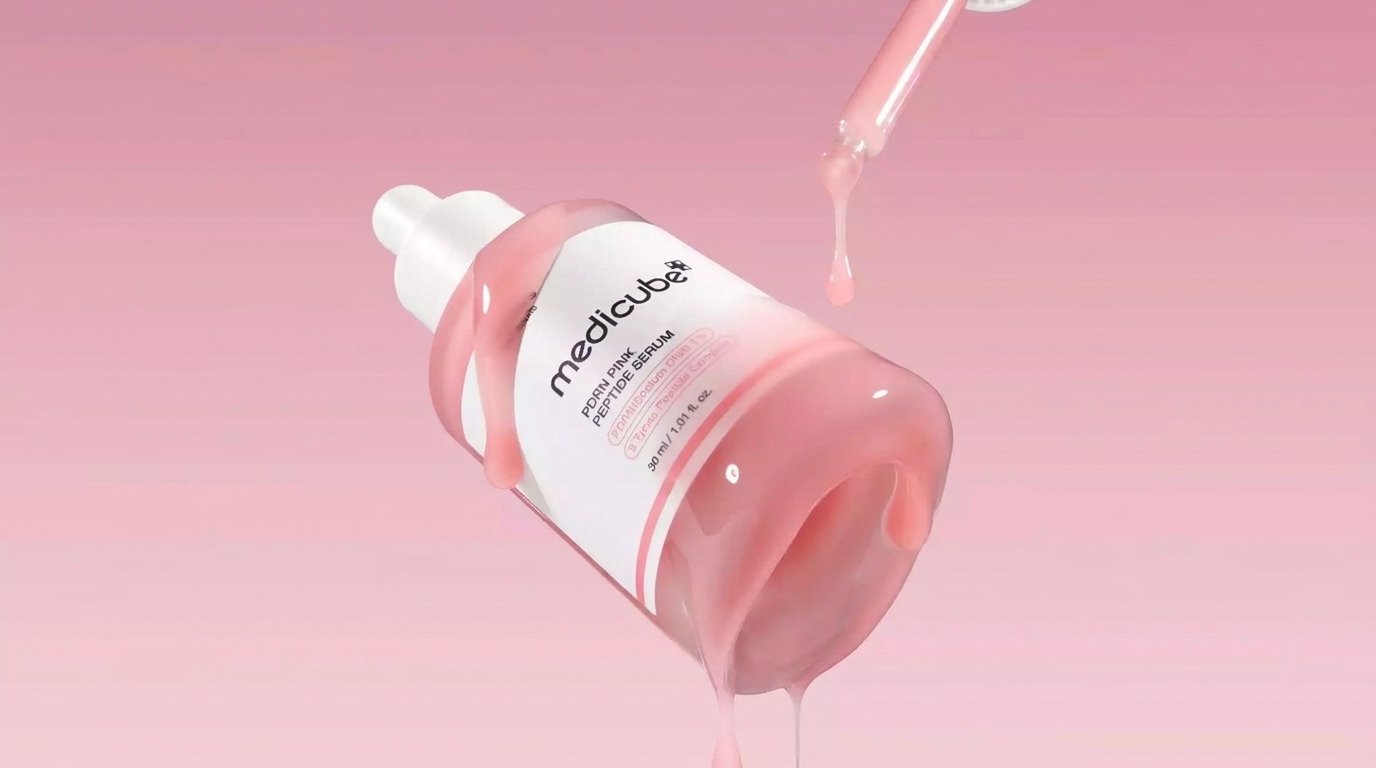
The world of skincare is constantly evolving, with new ingredients and innovative formulas appearing every year. One ingredient attracting significant attention in 2026 is PDRN, a skincare component associated with Korean beauty routines and the growing interest in skin regeneration, hydration, and healthier-looking skin.
Often called salmon DNA in beauty discussions, PDRN has become popular in Korean skincare products such as serums, creams, ampoules, and facial masks. Beauty enthusiasts are interested in its potential to support smoother-looking, hydrated, and refreshed skin.
But what exactly is PDRN skincare? Is it genuinely beneficial, how does it differ from traditional hydrating ingredients, and is it worth adding to your routine?
PDRN stands for polydeoxyribonucleotide. It consists of purified DNA fragments that have been studied in medical and regenerative research. In cosmetic skincare, PDRN is increasingly included in topical formulations designed to support skin hydration and improve the appearance of skin texture.
However, it is important to understand that research on injected PDRN and research on ordinary topical skincare products are not the same. The results of professional treatments cannot automatically be expected from a serum or moisturiser.
In this guide, we will explore what PDRN is, its potential skincare benefits, how to use PDRN products, which skin types may enjoy them, and what to consider before purchasing a formula.
Table of Contents
- What Is PDRN in Skincare?
- Why Is PDRN Skincare Trending in 2026?
- How Does PDRN Work?
- Potential Benefits of PDRN Skincare
- PDRN vs. Peptides: What Is the Difference?
- PDRN vs. Hyaluronic Acid
- Types of PDRN Skincare Products
- How to Use PDRN in Your Skincare Routine
- PDRN Skincare for Different Skin Types
- Ingredients That Pair Well With PDRN
- What to Look for When Buying PDRN Products
- Common Mistakes to Avoid
- Is PDRN Skincare Safe?
- Is PDRN Worth Trying?
- Frequently Asked Questions
- Final Thoughts
1. What Is PDRN in Skincare?
PDRN stands for polydeoxyribonucleotide, a material made up of purified DNA fragments. It has been investigated in regenerative medicine and wound-healing research, and it is now receiving attention in the cosmetic skincare industry.
In beauty products, PDRN is frequently associated with Korean skincare innovation. It may be found in serums, moisturising creams, ampoules, eye products, and sheet masks.
Many PDRN ingredients used in cosmetics are traditionally sourced from fish DNA, particularly salmon or trout. The material undergoes purification and processing before being incorporated into suitable formulations.
The phrase salmon DNA is widely used in beauty marketing because it gives consumers a simple way to understand the ingredient’s origin. However, the ingredient in a finished cosmetic product is processed material rather than raw fish DNA.
Some manufacturers are also exploring non-animal or biotechnology-derived alternatives. Consumers interested in vegan skincare should check the manufacturer’s ingredient information and certification rather than assuming every product marketed as PDRN is vegan.
What Makes PDRN Different?
PDRN is not simply another moisturising ingredient. It has been studied for biological activities associated with tissue repair and cellular processes.
Its proposed mechanisms include interactions with adenosine-related signalling pathways and the availability of nucleotide components involved in cellular processes.
Nevertheless, the amount of scientific evidence depends on the type of treatment being studied. Evidence from clinical injections, wound-care applications, and laboratory research should not be treated as proof that every topical cosmetic serum produces identical effects.
This distinction is especially important when comparing beauty marketing claims with published research.
2. Why Is PDRN Skincare Trending in 2026?
Korean beauty continues to influence the global skincare industry. Consumers are increasingly interested in formulas that combine innovative ingredients with practical everyday routines.
PDRN fits into several popular skincare conversations, including skin longevity, barrier support, hydration, and regenerative beauty.
The 2026 beauty predictions published by SPATE identify PDRN as one of the skincare ingredients attracting increased attention. Sephora UK’s 2026 skincare trend coverage also highlights PDRN alongside peptides and other emerging ingredients.
Another reason for its popularity is the growing availability of PDRN-inspired products in familiar formats.
Instead of being associated only with professional aesthetic treatments, the ingredient is increasingly discussed in connection with:
- Lightweight facial serums.
- Hydrating ampoules.
- Moisturising creams.
- Korean sheet masks.
- Eye creams.
- Multi-ingredient skin-conditioning formulas.
Social media has also helped introduce PDRN to consumers who regularly explore new Korean skincare launches.
However, popularity does not automatically establish effectiveness. A trending ingredient should always be evaluated according to its formulation, available research, suitability, and realistic benefits.
3. How Does PDRN Work?
PDRN has been studied for its involvement in biological processes related to tissue repair and cellular activity.
Research has investigated its interaction with adenosine A2A receptors and nucleotide salvage pathways. These mechanisms are associated with processes involved in inflammation regulation, tissue repair, and cell function.
This scientific background helps explain why PDRN has attracted interest in regenerative medicine.
In skincare discussions, the ingredient is often associated with several potential outcomes:
- Supporting skin-conditioning routines.
- Improving the appearance of skin texture.
- Helping maintain a hydrated-looking complexion.
- Supporting the appearance of healthier-looking skin.
- Contributing to a smoother and more refreshed appearance.
However, the skin barrier creates an important limitation.
A topical skincare product does not automatically deliver an ingredient into deeper skin tissues. PDRN molecules can be relatively large, and the ability of a formula to deliver its ingredients depends on its formulation and delivery technology.
Therefore, it is more realistic to view topical PDRN as a cosmetic skincare ingredient rather than a replacement for professional treatments.
4. Potential Benefits of PDRN Skincare
PDRN products are marketed for several skin-related benefits. The actual experience will depend on the product, its complete ingredient list, concentration where disclosed, and individual skin characteristics.
4.1 Supports a Hydrated-Looking Complexion
Hydration is one of the most important parts of a comfortable skincare routine.
Some PDRN products combine the ingredient with humectants such as glycerin and hyaluronic acid. These supporting ingredients help attract and retain water in the outer layers of the skin.
When a formula provides sufficient hydration, skin may look fresher and feel softer.
For people who experience tightness after cleansing or prefer a plump-looking complexion, a well-formulated PDRN moisturiser or serum may be an interesting option.
4.2 Helps Improve the Appearance of Skin Texture
Uneven texture can make skin appear rough or less smooth.
PDRN is associated with regenerative research, which has contributed to interest in its potential role in skin-quality products.
However, topical cosmetic evidence is still developing. It is not appropriate to assume that every PDRN product will significantly change skin texture.
A formula containing additional moisturising and skin-conditioning ingredients may offer a more noticeable improvement in how the skin feels and looks.
4.3 Supports a Healthy-Looking Skin Barrier Routine
A healthy skin barrier helps protect the skin and reduce excessive moisture loss.
PDRN products are sometimes formulated with ingredients such as ceramides, panthenol, and hyaluronic acid.
These supporting ingredients can make a product useful within a moisturising routine.
It is important to remember that PDRN itself should not automatically be considered a complete barrier-repair treatment. The overall formula matters.
4.4 Creates a Smoother-Looking Finish
Dehydrated skin can appear dull, rough, or uneven.
Hydrating cosmetic formulas can temporarily improve the appearance of fine dehydration lines and make the surface look smoother.
A PDRN serum containing suitable humectants and moisturising ingredients may contribute to this effect.
The improvement should be understood as a cosmetic appearance benefit rather than a guaranteed long-term structural change.
4.5 Complements a Skin-Conditioning Routine
Consumers often look for skincare that supports a comfortable and balanced complexion.
A PDRN product can be incorporated into a routine alongside established skincare ingredients, provided the complete formula suits the user’s skin.
Its value should be assessed through the finished product rather than the ingredient name alone.
5. PDRN vs. Peptides: What Is the Difference?
PDRN and peptides are both popular in modern skincare, but they are different types of ingredients.
PDRN consists of DNA fragments, while peptides are short chains of amino acids.
Peptides are commonly used in cosmetic formulations designed to support the appearance of firmness, smoothness, and skin conditioning.
PDRN attracts attention because of its research history in regenerative and tissue-repair applications.
Here is a simple comparison:
| Feature | PDRN | Peptides |
|---|---|---|
| Composition | DNA fragments | Short amino acid chains |
| Main research interest | Tissue repair and regenerative processes | Biological signalling and skin-conditioning applications |
| Cosmetic formats | Serums, creams, ampoules | Serums, creams, moisturisers |
| Evidence | Developing for topical cosmetic use | Varies by individual peptide and formula |
| Main consideration | Delivery and formulation | Specific peptide type and formulation |
Neither ingredient should be judged only by its popularity.
A good product should have a suitable formula, clear ingredient information, and realistic claims.
6. PDRN vs. Hyaluronic Acid
Hyaluronic acid is a familiar skincare ingredient known for attracting water and supporting surface hydration.
PDRN has a different chemical structure and a different research background.
While hyaluronic acid is primarily recognised as a humectant in skincare, PDRN is associated with regenerative research and cosmetic skin-conditioning applications.
The two ingredients can appear in the same product because they serve different formulation purposes.
For example, a PDRN serum containing hyaluronic acid may provide a combination of emerging ingredient technology and established hydration support.
If your main concern is dryness, a simple hyaluronic acid serum may already be sufficient.
If you are interested in trying a newer Korean skincare ingredient, a well-formulated PDRN product may be worth exploring.
7. Types of PDRN Skincare Products
PDRN is appearing in different product categories. Choosing the right format depends on your existing routine and personal preferences.
7.1 PDRN Serum
A serum is one of the most convenient ways to introduce a new skincare ingredient.
PDRN serums are often lightweight and designed to be applied after cleansing and before moisturiser.
Look for formulas that also contain supportive ingredients such as glycerin, panthenol, or hyaluronic acid.
7.2 PDRN Cream
A PDRN moisturiser may suit people who prefer a richer skincare texture.
Creams can combine PDRN with emollients and other moisturising ingredients to support a comfortable skin feel.
Those with oily skin may prefer lighter gel-cream textures.
7.3 PDRN Ampoule
Ampoules are concentrated-style skincare products commonly associated with Korean beauty routines.
Their textures and ingredient combinations vary by manufacturer.
Do not assume that an ampoule is automatically stronger or more effective than a serum.
Check the formulation and directions before purchasing.
7.4 PDRN Sheet Masks
Sheet masks are designed for occasional skincare use.
PDRN sheet masks may combine the ingredient with humectants and skin-conditioning components to provide a temporary hydrated appearance.
They can be a convenient addition to a self-care routine, but they are not necessary for maintaining healthy-looking skin.
7.5 PDRN Eye Cream
Some brands include PDRN in eye-care formulas.
The eye area is delicate, so it is particularly important to follow the manufacturer’s instructions and avoid products that cause irritation.
A product’s suitability should depend on its complete formula rather than the presence of PDRN alone.
8. How to Use PDRN in Your Skincare Routine
Introducing a new skincare ingredient does not require changing your entire routine.
The simplest approach is to add one product at a time and observe how your skin responds.
Morning Skincare Routine
Step 1: Gentle Cleanser
Start with a cleanser suitable for your skin type.
Avoid unnecessarily harsh cleansing products that leave your skin feeling tight.
Step 2: PDRN Serum
Apply your PDRN serum according to the manufacturer’s instructions.
Use the recommended amount rather than applying several layers.
Step 3: Moisturiser
Follow with a moisturiser that helps maintain skin hydration.
A lighter gel moisturiser may be comfortable for oily skin, while a richer cream may suit dry skin.
Step 4: Sunscreen
Finish your morning routine with broad-spectrum SPF 30 or higher.
Sunscreen remains an essential part of daily skincare, regardless of whether you use PDRN.
Evening Skincare Routine
Step 1: Remove Makeup and Sunscreen
Use an appropriate cleanser to remove makeup, sunscreen, and everyday impurities.
Step 2: Cleanse Gently
If needed, follow with a gentle water-based cleanser.
Step 3: Apply PDRN
Use your PDRN serum or ampoule according to the product directions.
Step 4: Moisturise
Apply your usual moisturiser to help maintain a comfortable skin barrier.
Step 5: Keep Your Routine Consistent
Avoid adding multiple new active ingredients at the same time.
A simple and consistent routine makes it easier to understand how your skin responds.
9. PDRN Skincare for Different Skin Types
Not every skincare product works equally well for every person.
Your skin type, existing concerns, and the formula’s supporting ingredients should influence your decision.
Dry Skin
Dry skin may benefit from a PDRN product that includes glycerin, ceramides, hyaluronic acid, or nourishing emollients.
A cream or hydrating serum may be more comfortable than a very lightweight formula.
Follow with a moisturiser that helps reduce moisture loss.
Oily Skin
People with oily skin may prefer lightweight PDRN serums or gel-based products.
Look for comfortable textures that do not leave an excessively heavy finish.
Avoid assuming that oily skin does not need moisturiser. Hydration remains important.
Combination Skin
Combination skin may benefit from a lightweight serum followed by different moisturising textures depending on the needs of different facial areas.
For example, a lighter moisturiser may feel more comfortable on the T-zone, while drier areas may need additional moisture.
Sensitive Skin
Sensitive skin requires extra care when introducing new products.
Choose a formula with a relatively simple ingredient list and avoid introducing several new products together.
Patch testing is a sensible precaution.
If you have a history of significant reactions, consult a dermatologist before experimenting with unfamiliar ingredients.
Mature-Looking Skin
People interested in improving the appearance of fine lines, dryness, and uneven texture may be curious about PDRN.
A moisturising formula may help improve the appearance of dehydration-related lines.
However, topical PDRN should not be presented as a proven replacement for established skincare ingredients or professional dermatological treatments.
10. Ingredients That Pair Well With PDRN
A product containing PDRN does not need to be complicated.
Some familiar ingredients can complement a PDRN-focused skincare routine.
Hyaluronic Acid
Hyaluronic acid attracts water and is commonly used in hydrating serums and moisturisers.
It can complement PDRN in formulas designed to provide a hydrated appearance.
Glycerin
Glycerin is a well-established humectant.
It helps attract water to the outer layers of the skin and is useful in many moisturising formulas.
Panthenol
Panthenol, also known as provitamin B5, is commonly used in skin-conditioning products.
It can help support a comfortable, moisturised skin feel.
Ceramides
Ceramides are important components of the skin barrier.
Moisturisers containing ceramides can help support the barrier and reduce moisture loss.
Niacinamide
Niacinamide is a versatile skincare ingredient used in formulas targeting uneven-looking tone, oiliness, and barrier support.
It can be included in the same broader routine as PDRN if your skin tolerates both ingredients.
Peptides
Some skincare products combine peptides and PDRN.
These ingredients have different compositions and research backgrounds, so their presence together should be viewed as a formulation choice rather than proof of superior results.
11. What to Look for When Buying PDRN Products
The growing popularity of PDRN means that more products are competing for consumer attention.
Instead of choosing a product because it is trending, consider the following points.
Check the Complete Ingredient List
PDRN is only one part of a skincare formula.
Pay attention to the supporting ingredients, preservatives, fragrance, and overall formulation.
A product with a suitable balance of moisturising ingredients may be more useful than one relying heavily on marketing language.
Understand the Ingredient Source
If you prefer animal-free skincare, check whether the product contains fish-derived PDRN or a biotechnology-based alternative.
Do not rely on vague labels such as clean or natural.
Contact the manufacturer if the ingredient source is unclear.
Look for Clear Product Information
A trustworthy brand should provide understandable information about its product, ingredients, directions, and intended cosmetic use.
Avoid products making unrealistic promises about instant skin regeneration or guaranteed wrinkle removal.
Choose a Suitable Texture
Your daily skincare routine should feel comfortable.
If you have oily skin, a lightweight serum may be preferable.
If your skin is dry, a cream containing additional moisturising ingredients may be a better choice.
Consider Packaging
Serums and ampoules should have packaging appropriate for their formulation.
Airless pumps and well-designed dropper bottles can help with controlled application.
Keep the product stored according to the manufacturer’s instructions.
Consider the Price
A higher price does not automatically mean better performance.
Compare the complete ingredient list, product quantity, brand transparency, and suitability for your skin.
Avoid purchasing several products simply because they contain the same trending ingredient.
12. Common Mistakes to Avoid
PDRN is an interesting ingredient, but it is easy to misunderstand its role in everyday skincare.
Expecting Immediate Results
No cosmetic ingredient should be expected to transform the skin overnight.
Hydration may produce a relatively quick visible improvement, but changes in skin appearance take time and vary between individuals.
Confusing Injections With Topical Products
This is one of the most important mistakes to avoid.
Professional PDRN treatments and ordinary skincare serums are different delivery methods.
Their formulations, purposes, and available evidence are not interchangeable.
Using Too Many New Products Together
Adding several new serums and active ingredients at once can make irritation more difficult to identify.
Introduce one product at a time.
Ignoring Sunscreen
A PDRN serum cannot replace sunscreen.
Daily broad-spectrum sun protection remains important for protecting the skin from ultraviolet exposure.
Believing Every Marketing Claim
Words such as regenerative, clinical, advanced, and professional can sound impressive.
Always distinguish a brand’s marketing language from findings supported by human clinical research.
Overlooking Skin Sensitivity
Even a product containing popular skincare ingredients can cause irritation.
Check the complete formula and discontinue use if you experience a concerning reaction.
13. Is PDRN Skincare Safe?
The safety of a topical cosmetic product depends on its complete formulation, ingredient quality, manufacturing standards, and how an individual responds to it.
PDRN has been investigated in medical and aesthetic research, but this does not establish the safety or effectiveness of every cosmetic product containing the ingredient.
A 2026 systematic review of randomized trials examined PDRN and related polynucleotide treatments in dermatological applications. The review found promising results but also highlighted limitations, including small participant groups, differences between treatment protocols, and the need for larger studies.
For topical skincare, the evidence is still developing.
Consider these precautions:
- Follow the product’s application instructions.
- Patch test a new product before regular use.
- Avoid applying products to irritated or broken skin unless specifically advised by a healthcare professional.
- Stop using a product if it causes persistent irritation or an allergic reaction.
- Consult a dermatologist if you have an existing skin condition or are unsure whether the product is suitable.
- Do not attempt to inject cosmetic products yourself.
People with fish allergies should carefully check the ingredient source and ask the manufacturer or a qualified healthcare professional for advice when necessary.
If you are considering professional PDRN injections or other aesthetic procedures, consult a qualified medical professional and discuss the available evidence, risks, and local regulatory requirements.
14. Is PDRN Worth Trying?
Whether PDRN is worth trying depends on your skincare goals.
If you enjoy exploring Korean skincare and want to try an emerging ingredient, a well-formulated topical PDRN serum or cream may be an interesting addition.
It may be particularly appealing if the product also contains established moisturising ingredients that suit your skin.
However, PDRN is not essential for everyone.
If your main concerns are dryness, a basic moisturiser containing glycerin or ceramides may already meet your needs.
If you are looking for a proven approach to sun protection, sunscreen should remain a priority.
If you are interested in improving the appearance of fine lines, discuss established options such as retinoids with a qualified skincare professional when appropriate.
The most important factor is the quality of your complete routine rather than following every new beauty trend.
15. Frequently Asked Questions
What Does PDRN Stand For in Skincare?
PDRN stands for polydeoxyribonucleotide. It refers to purified DNA fragments that have been studied for their involvement in biological processes related to tissue repair.
Is PDRN the Same as Salmon DNA?
The term salmon DNA is commonly used because many traditional PDRN materials are derived from fish DNA, particularly salmon or trout. However, PDRN refers to the processed DNA-fragment material, not simply raw salmon DNA.
Can Beginners Use PDRN Serum?
Many topical PDRN products are designed for ordinary skincare routines. Beginners should follow the manufacturer’s directions, introduce one new product at a time, and patch test when appropriate.
Can I Use PDRN Every Day?
Daily use depends on the specific product and its instructions. Some products are formulated for regular use, while others have different application recommendations.
Can PDRN Be Used With Hyaluronic Acid?
Yes, many formulations combine PDRN and hyaluronic acid. They have different functions in cosmetic skincare, and their combination may provide a hydrating formula.
Is PDRN Better Than Peptides?
Neither ingredient is universally better. PDRN and peptides have different compositions and research backgrounds. The right choice depends on your skin goals and the complete formulation.
Is PDRN Suitable for Sensitive Skin?
Some sensitive skin types may tolerate a well-formulated PDRN product, but individual reactions vary. Check the complete ingredient list and patch test before regular use.
Is Vegan PDRN Available?
Some brands are exploring biotechnology-based or non-animal alternatives. Always verify the source and vegan status with the manufacturer.
Does PDRN Remove Wrinkles?
There is not enough evidence to claim that topical PDRN products reliably remove wrinkles. A moisturising formula may temporarily improve the appearance of dehydration-related lines, but this is different from permanently removing wrinkles.
How Long Does PDRN Take to Work?
There is no universally established timeline for topical PDRN skincare. Hydration-related changes may be noticeable sooner, while longer-term changes in appearance depend on the product and individual skin response.
16. Final Thoughts
PDRN skincare is one of the interesting ingredient developments attracting attention in 2026, particularly among people who follow Korean beauty trends.
Its background in regenerative research has made it a popular subject in conversations about skin quality, hydration, and modern skincare formulations.
However, it is important to approach the ingredient with realistic expectations. Research involving professional PDRN treatments should not be confused with evidence for ordinary topical cosmetic products.
If you want to explore the trend, start with one well-formulated serum or moisturiser that suits your skin type. Look for supportive ingredients, clear product information, and realistic claims.
Continue using the skincare essentials that matter most, including gentle cleansing, moisturising, and daily sun protection.
Ultimately, the best skincare routine is not the one containing the most trending ingredients. It is the one that supports your skin comfortably, consistently, and with products you understand