
Introduction
If your skin suddenly feels tight, looks red, becomes unusually dry, or stings when you apply your usual moisturizer, your skincare routine may be doing too much. A weakened skin barrier can make everyday skincare feel uncomfortable and leave your complexion looking rough, flaky, or irritated. Instead of adding more serums and treatments, it may be time to simplify your routine and focus on restoring your skin’s natural protective function.
Learning how to repair your skin barrier starts with understanding what your skin needs: gentle cleansing, consistent moisturization, sun protection, and fewer irritating products. Ingredients such as ceramides, glycerin, and hyaluronic acid can support hydration and help maintain the skin’s protective outer layer.
In this guide, you’ll discover common signs of skin barrier damage, its possible causes, the most useful skincare ingredients, and a practical morning and evening routine. Whether you have dry, oily, combination, or sensitive skin, these tips can help you build a more comfortable and balanced skincare routine.
Table of Contents
- What Is the Skin Barrier?
- Signs of a Damaged Skin Barrier
- What Causes Skin Barrier Damage?
- How to Repair Your Skin Barrier Step by Step
- Best Ingredients for Skin Barrier Repair
- Morning and Evening Skincare Routine
- Skin Barrier Repair Tips for Different Skin Types
- Mistakes to Avoid
- How Long Does Skin Barrier Repair Take?
- Frequently Asked Questions
1. What Is the Skin Barrier?
The skin barrier is the outermost protective part of your skin, primarily associated with the stratum corneum. It helps retain moisture and protects the body from external irritants and environmental stressors.
Think of it as a protective wall. Skin cells form the bricks, while lipids—including ceramides, cholesterol, and fatty acids—help hold the structure together.
When this barrier functions properly, your skin is better able to retain water and tolerate everyday environmental exposure. When it becomes compromised, moisture escapes more easily, and irritants may cause greater discomfort.
A healthy skin barrier does not mean having perfectly smooth or poreless skin. It means supporting the skin’s normal protective functions while addressing individual concerns appropriately.
2. Signs of a Damaged Skin Barrier
Skin barrier damage can look different from person to person. Common warning signs include:
- Persistent dryness: Your skin feels rough, tight, or uncomfortable even after moisturizing.
- Redness: Certain areas appear red or irritated more often than usual.
- Stinging or burning: Products that previously felt comfortable suddenly cause discomfort.
- Flaking and rough texture: Small patches of peeling skin become noticeable.
- Increased sensitivity: Fragrances, cleansers, or skincare treatments seem harder to tolerate.
- Dehydrated appearance: Your complexion looks dull or feels tight, even if your skin produces excess oil.
These symptoms do not automatically confirm a damaged skin barrier. Eczema, allergic contact dermatitis, rosacea, and other conditions can cause similar problems.
If symptoms persist, worsen, or repeatedly return, consult a qualified dermatologist rather than relying solely on cosmetic products.
3. What Causes Skin Barrier Damage?
Several everyday habits and environmental factors can contribute to barrier disruption.
Overusing Exfoliating Products
Chemical exfoliants such as alpha hydroxy acids (AHAs) and beta hydroxy acids (BHAs) can help with particular skin concerns. However, using them too frequently or combining multiple strong treatments can cause irritation.
Harsh Cleansers
Cleansers that leave your face feeling extremely tight or stripped may be too aggressive for your skin. Frequent washing and very hot water can also contribute to dryness.
Introducing Too Many Active Ingredients
Using retinoids, exfoliating acids, acne treatments, and other active ingredients together without considering their strength or your skin’s tolerance can increase irritation.
Environmental Stress
Sun exposure, wind, low humidity, pollution, and temperature changes can challenge the skin’s protective function. Heat and humidity may also make heavy skincare products uncomfortable, so choosing appropriate textures matters.
Skipping Moisturizer
Cleansing without following up with a suitable moisturizer can leave some skin types feeling dry and uncomfortable. Oily skin also needs hydration, although a lightweight formula may be more suitable.
Fragrance and Other Irritants
Fragrance, essential oils, and certain preservatives can trigger irritation or allergic reactions in susceptible individuals. The specific ingredient and the person’s sensitivity both matter.
4. How to Repair Your Skin Barrier Step by Step
The most practical starting point is to simplify your routine and remove products that appear to worsen your symptoms.
Step 1: Simplify Your Skincare Routine
Temporarily pause nonessential products, especially exfoliating acids, scrubs, and strong treatments that cause burning or irritation. Keep your routine focused on gentle cleansing, moisturizing, and sun protection.
You do not need a large collection of skincare products to maintain healthy skin.
Step 2: Use a Gentle Cleanser
Choose a mild cleanser that removes dirt, excess oil, and sunscreen without leaving your skin feeling stripped.
Wash with lukewarm water rather than hot water. Avoid aggressive scrubbing, rough cleansing brushes, and repeated washing throughout the day.
If your skin is very dry or irritated, you may need to adjust how often you use a cleanser according to your skin’s needs.
Step 3: Apply a Suitable Moisturizer
Moisturizer is an important part of a skin barrier repair routine because it helps reduce moisture loss and improves skin comfort.
Look for formulas containing ingredients such as:
- Ceramides to support the skin’s lipid barrier.
- Glycerin to attract and retain moisture.
- Hyaluronic acid to help hydrate the skin.
- Petrolatum to reduce water loss when an occlusive product is appropriate.
- Panthenol to support hydration and soothe the feel of dry skin.
Apply moisturizer after cleansing while your skin is slightly damp, provided this does not cause discomfort.
Step 4: Wear Sunscreen Every Morning
Sun protection remains important while your skin recovers. Choose a broad-spectrum sunscreen with SPF 30 or higher and apply it as directed on the label.
If your skin is sensitive, consider a fragrance-free formula that feels comfortable on your face. Reapply according to the product directions, particularly after sweating, swimming, or extended outdoor exposure.
Sunscreen helps protect against ultraviolet damage, but it does not replace moisturizer or treatment for an underlying skin condition.
Step 5: Reintroduce Treatments Gradually
Once your skin feels comfortable and no longer reacts to your basic routine, consider reintroducing necessary active ingredients one at a time.
Start cautiously and follow the product instructions. Avoid immediately returning to every product you used before irritation developed.
If a treatment consistently causes burning, redness, or peeling, stop using it and seek professional advice when needed.
5. Best Ingredients for Skin Barrier Repair
The right ingredients depend on your skin type, concerns, and tolerance. No single ingredient works equally well for everyone.
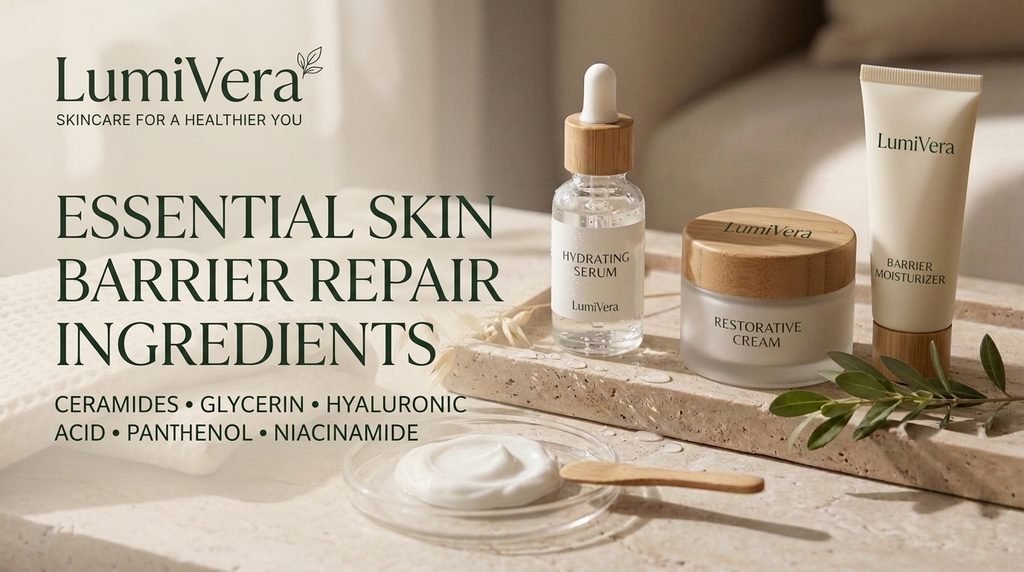
Ceramides
Ceramides are lipids naturally found in the skin. In moisturizers, they help support the protective barrier and reduce moisture loss.
Ceramide-containing creams and lotions can be useful for people experiencing dryness or sensitivity.
Glycerin
Glycerin is a humectant, meaning it attracts water. It helps hydrate the outer layers of the skin and is suitable for many skin types.
Hyaluronic Acid
Hyaluronic acid helps bind water and can improve the feel of dehydrated skin. It works well as part of a moisturizing routine, but it should not be viewed as a complete replacement for a moisturizer.
Panthenol
Panthenol, also known as provitamin B5, is used in skincare products for its moisturizing and skin-conditioning properties. It can be a helpful option in products designed for dry or uncomfortable skin.
Petrolatum
Petrolatum is an occlusive ingredient that helps reduce water loss. It may be useful on particularly dry patches, although some people prefer lighter textures, especially in hot or humid weather.
Niacinamide
Niacinamide, a form of vitamin B3, can support the skin barrier and help improve the appearance of uneven tone. However, some people experience irritation from certain formulas or concentrations. If your skin is currently very reactive, prioritize a simple moisturizer before experimenting with a new serum.

6. Morning and Evening Skincare Routine
A consistent routine is usually more useful than repeatedly changing products.
Morning Routine
- Gentle cleanse: Wash with a mild cleanser, or use water if that suits your skin.
- Moisturize: Apply a comfortable moisturizer suited to your skin type.
- Apply sunscreen: Finish with broad-spectrum SPF 30 or higher.
A hydrating serum is optional. You do not need one if your moisturizer already provides enough hydration.
Evening Routine
- Cleanse gently: Remove sunscreen, makeup, oil, and daily buildup.
- Apply moisturizer: Use a barrier-supportive formula with ingredients such as glycerin or ceramides.
- Protect very dry areas if needed: A small amount of an appropriate occlusive product may help reduce moisture loss.
During an irritation flare, keep the routine simple. Strong exfoliants, retinoids, and other potentially irritating treatments can wait until your skin tolerates them again or a clinician advises otherwise.
7. Skin Barrier Repair Tips for Different Skin Types
Dry Skin
Choose a cream-based moisturizer with ceramides, glycerin, or other moisturizing ingredients. Avoid overly hot showers and harsh cleansing products.
Oily Skin
Use a lightweight lotion or gel-cream if heavy products feel uncomfortable. Avoid trying to eliminate every trace of oil by repeatedly washing your face.
Combination Skin
Use a balanced moisturizer across the face and adjust the texture if necessary. Drier areas may benefit from a richer cream than the forehead, nose, and chin.
Sensitive Skin
Choose simple, preferably fragrance-free formulas and introduce new products gradually. Patch testing can help identify some reactions, although it cannot guarantee that a product will never cause irritation.
Acne-Prone Skin
Look for moisturizers labeled non-comedogenic when appropriate. Do not assume that dryness means acne treatments are working better. If acne medication is causing persistent irritation, discuss adjustments with a healthcare professional.
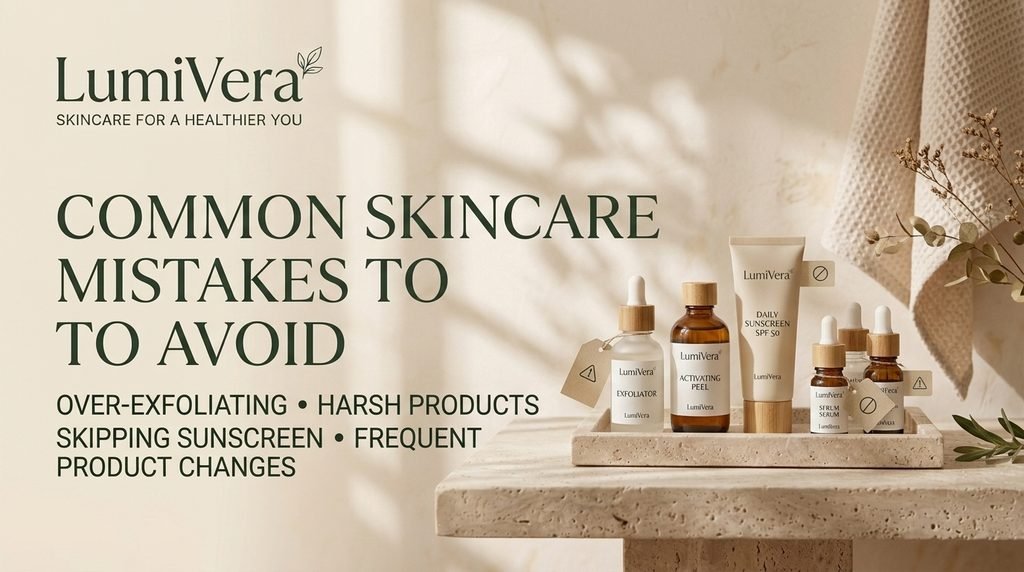
8. Skin Barrier Repair Mistakes to Avoid
Avoid these common habits while working toward healthier, more comfortable skin.
- Over-exfoliating: More exfoliation does not necessarily mean better results.
- Changing products too frequently: Constant experimentation makes it difficult to identify what is helping or causing irritation.
- Using DIY remedies: Lemon juice, baking soda, and undiluted essential oils can irritate the skin.
- Ignoring sunscreen: Ultraviolet exposure can contribute to ongoing skin damage.
- Expecting instant results: Skin recovery takes time and depends on the cause and severity of irritation.
- Assuming every reaction is barrier damage: Persistent symptoms may need medical assessment.
- Following every viral skincare trend: A routine popular online may not suit your skin or existing treatments.
The goal is not to eliminate every active ingredient forever. It is to use appropriate products at a level your skin can tolerate.
9. How Long Does Skin Barrier Repair Take?
There is no single recovery timeline for everyone. Mild irritation may improve after you remove the triggering products and consistently use gentle skincare. More significant irritation can take longer, particularly if the underlying cause remains.
The time required depends on factors such as the original trigger, skin condition, product choices, and whether an underlying condition needs treatment.
Pay attention to practical signs of improvement: less tightness, reduced stinging, fewer dry patches, and better comfort after cleansing.
If symptoms do not improve, repeatedly return, or become more severe, consult a dermatologist. Do not continue experimenting with multiple treatments when your skin is getting worse.
Conclusion
Learning how to repair your skin barrier does not require an expensive collection of products or a complicated ten-step routine. Start with a gentle cleanser, a suitable moisturizer, and daily sun protection. Reduce products that cause irritation and introduce new treatments gradually.
Ceramides, glycerin, hyaluronic acid, and other well-formulated moisturizing ingredients can help support hydration and skin comfort. However, persistent redness, burning, flaking, or sensitivity may indicate a condition that needs professional assessment.
Focus on consistency rather than perfection. A simple routine that suits your skin is often a better starting point than constantly chasing new skincare trends.
Frequently Asked Questions (FAQs)
1. How can I repair my skin barrier naturally?
Use gentle cleansing, regular moisturizing, sun protection, and avoid products that irritate your skin. Natural ingredients are not automatically safer, so choose products based on their formulation and your tolerance.
2. What is the best moisturizer for a damaged skin barrier?
A moisturizer containing ceramides, glycerin, or other suitable moisturizing ingredients is a useful option. Choose a texture that matches your skin type and avoid formulas that cause discomfort.
3. Can oily skin have a damaged skin barrier?
Yes. Oily skin can still lose moisture and become irritated. Use a gentle cleanser and a lightweight moisturizer rather than repeatedly stripping away oil.
4. Should I stop using retinol if my skin barrier is damaged?
If retinol is causing burning, persistent redness, or significant peeling, pause it while you assess the irritation. Seek medical advice if symptoms persist, especially if retinol was prescribed for a skin condition.
5. Is hyaluronic acid good for skin barrier repair?
Hyaluronic acid helps attract water and improve hydration. It can complement a moisturizer, but it does not replace the need for an appropriate moisturizing product.
6. Can I use vitamin C while repairing my skin barrier?
If your skin is irritated or sensitive, temporarily pause vitamin C if it stings or worsens symptoms. Consider reintroducing it only when your skin is comfortable and tolerates your basic routine.
7. What are the signs that my skin barrier is healing?
Reduced tightness, less stinging, fewer dry patches, and improved comfort are encouraging signs. They do not confirm that an underlying skin condition has resolved.
8. When should I see a dermatologist?
Seek professional advice if redness, itching, burning, peeling, or swelling persists or worsens. Severe pain, blistering, or signs of infection warrant prompt medical assessment.