
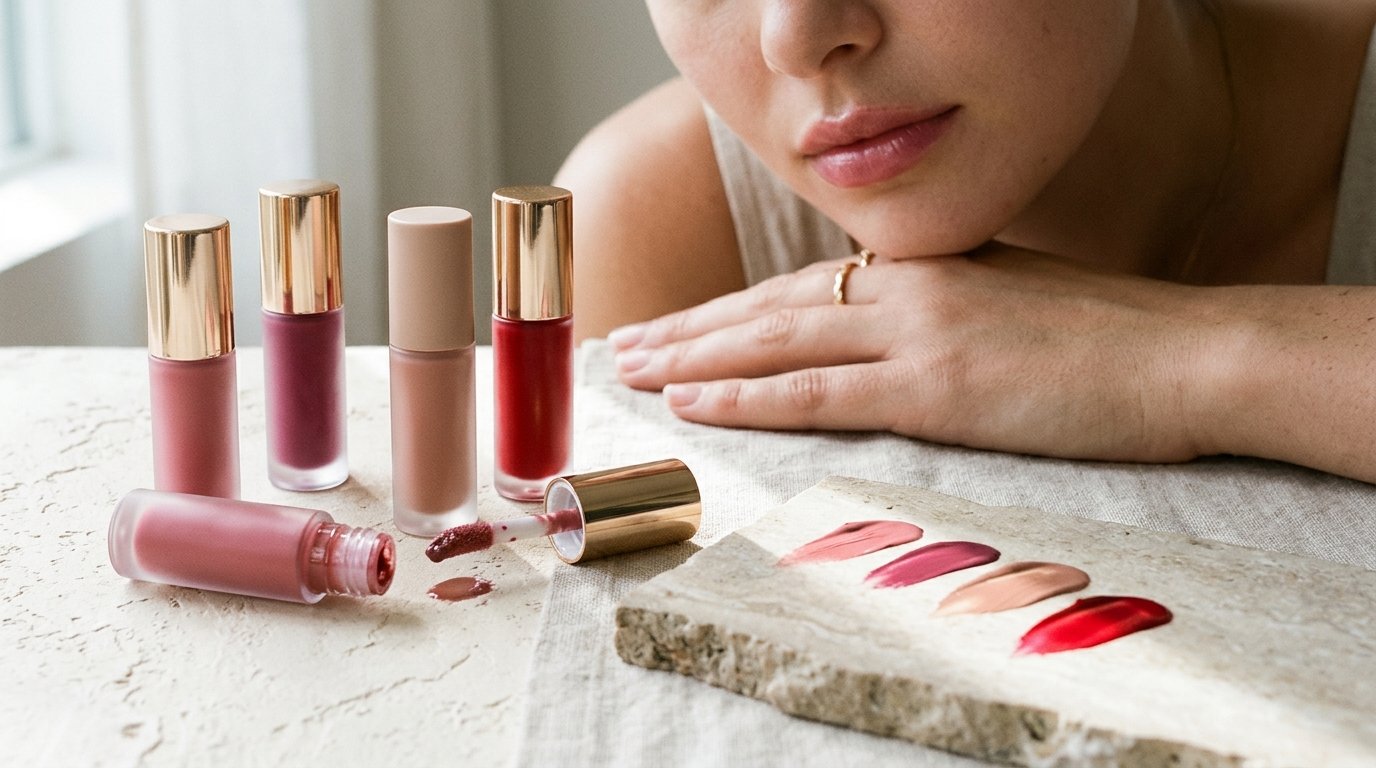
Lip stain makeup has become a popular choice for people who want beautiful lip color without constantly reapplying traditional lipstick. From soft rosy tints to rich berry shades, lip stains offer a lightweight way to add color while maintaining a natural-looking finish.
Unlike conventional lipstick, which generally sits more visibly on the surface of the lips, many lip stains are designed to leave a subtle layer of color after their initial formula settles. Depending on the product, the finish can look sheer, natural, matte, satin, or glossy.
One of the biggest attractions of lip stain makeup is its versatility. You can wear a light pink tint for an everyday makeup look, choose a warm nude for work, or create a deeper berry appearance for an evening occasion.
However, not every lip stain has the same texture, pigmentation, comfort level, or staying power. Some formulas feel lightweight and watery, while others are creamy, gel-like, or more intensely pigmented.
Choosing the right shade and formula can make a significant difference in how your lips look and feel throughout the day.
In this guide, we will explore different types of lip stains, how to choose flattering shades, how to apply them correctly, and how to create beautiful everyday and special-occasion lip looks.
Table of Contents
- What Is Lip Stain Makeup?
- Different Types of Lip Stains
- Water-Based Lip Stains
- Gel Lip Stains
- Cream Lip Stains
- Matte Lip Stains
- Glossy Lip Stains
- Lip Tint Pens
- How to Choose the Best Lip Stain for Your Skin Tone
- Fair Skin Tones
- Light to Medium Skin Tones
- Medium to Tan Skin Tones
- Deep Skin Tones
- How to Choose a Lip Stain According to Your Undertone
- Cool Undertones
- Warm Undertones
- Neutral Undertones
- Lip Stain Shade Collection
- How to Prepare Your Lips Before Applying Lip Stain
- Step-by-Step Guide: How to Apply Lip Stain Makeup
- Different Lip Stain Makeup Looks
- Natural Everyday Lip Look
- Korean Gradient Lip Look
- Soft Matte Lip Look
- Glossy Lip Stain Look
- Bold Evening Lip Look
- How to Make Lip Stain Last Longer
- Lip Stain vs. Lipstick vs. Lip Gloss
- Common Lip Stain Mistakes to Avoid
- How to Choose a Lip Stain for Dry Lips
- How to Select Lip Stain Makeup for Different Occasions
- Popular Lip Stain Trends Worth Exploring
- How to Build a Small Lip Stain Collection
- How to Remove Lip Stain Makeup
- Is Lip Stain Makeup Worth Trying?
- Frequently Asked Questions About Lip Stain Makeup
- Final Thoughts
What Is Lip Stain Makeup?
Lip stain makeup is a type of lip color designed to leave a tint on the lips. It usually comes in liquid, gel, cream, or marker-style formats.
The main difference between a traditional lipstick and a lip stain is how the color appears after application.
Traditional lipstick typically creates a more noticeable layer of pigment. Lip stains, on the other hand, are often designed to provide a thinner application and leave behind a softer wash of color.
Some lip stains are almost transparent, while others deliver intense pigmentation that resembles a bold lipstick.
The result depends on the product’s formula, application technique, and the natural color and texture of your lips.
Why Are Lip Stains So Popular?
Lip stains appeal to people who enjoy low-maintenance makeup.
They can provide several advantages:
- Lightweight appearance: Many formulas create a natural-looking wash of color.
- Versatile finishes: Available in matte, glossy, satin, and sheer options.
- Buildable color: Some products allow you to apply additional layers for stronger pigmentation.
- Everyday convenience: A soft tint can complement minimal makeup without looking overly dramatic.
- Variety of shades: Options range from pink and peach to brown, red, plum, and berry.
- Easy styling: Lip stains can work with casual outfits, professional makeup, and evening looks.
It is important to remember that longevity varies. Some stains fade gradually, while others may become patchy or require touch-ups after eating, drinking, or wearing them for several hours.
Different Types of Lip Stains
Before choosing a product, it helps to understand the main lip stain formulas.
Each type offers a different application experience and final appearance.
1. Water-Based Lip Stains
Water-based lip stains usually have a thin, lightweight consistency.
They are popular for creating soft, natural-looking lip color without the heavier feel of some traditional lip products.
Their watery texture makes them useful for creating a gradient lip effect, where the center of the lips appears more colorful than the outer edges.
However, some water-based formulas dry quickly. You may need to blend them immediately after application to prevent uneven patches.
2. Gel Lip Stains
Gel lip stains have a slightly thicker texture than water-based formulas.
They often provide a balance between lightweight application and noticeable pigmentation.
The gel consistency can make them easier to distribute across the lips, particularly for people who prefer a more controlled application.
Depending on the formula, the final finish may look soft, glossy, or natural.
3. Cream Lip Stains
Cream lip stains offer a richer texture.
They may feel more similar to liquid lipstick during application, although the final result depends on the product.
These formulas can be useful if you prefer stronger pigmentation and a more defined lip look.
Check the formula carefully if your lips are naturally dry, as some cream stains can emphasize dry areas.
4. Matte Lip Stains
Matte lip stains create a shine-free appearance.
They are a suitable option for people who enjoy sophisticated, understated makeup.
A muted rose, terracotta, or brown matte stain can complement neutral outfits and polished everyday looks.
However, matte formulas are not automatically comfortable for everyone. If your lips become dry easily, prepare them with gentle lip care before applying the product.
5. Glossy Lip Stains
Glossy lip stains combine color with a shiny finish.
They are particularly attractive for people who enjoy fresh, luminous makeup.
Some formulas provide shine immediately after application, while others leave a tint underneath as the glossy layer gradually wears away.
Glossy stains are useful when you want color without creating a completely matte appearance.
6. Lip Tint Pens
Lip tint pens usually feature a marker-like applicator.
They can provide more controlled application around the lip line and are useful for creating precise shapes.
However, the formula may dry quickly, so work in small sections and avoid repeatedly applying product to the same area if it begins to feel uncomfortable.
How to Choose the Best Lip Stain for Your Skin Tone
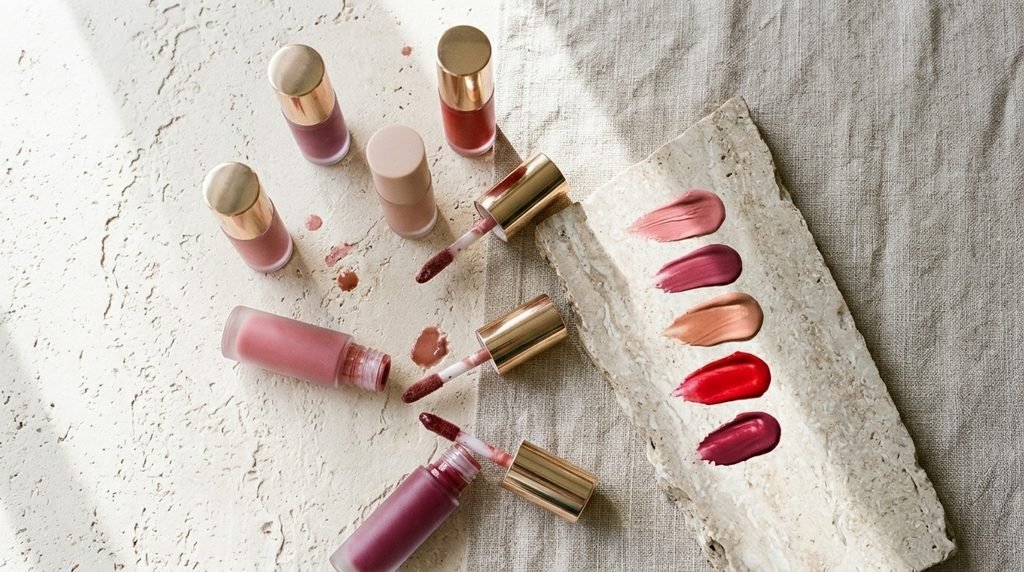
Choosing the right lip stain shade is one of the most important parts of creating a flattering makeup look.
There are no strict rules about which colors you can wear. Personal preference should always come first.
However, understanding undertones can help you narrow down your options.
Fair Skin Tones
Fair skin can look beautiful with soft pink, peach, rose, and delicate berry shades.
For everyday makeup, consider:
- Soft pink
- Dusty rose
- Peach nude
- Light raspberry
- Muted coral
If you prefer a stronger appearance, a classic cherry or berry stain can create an elegant contrast.
Light to Medium Skin Tones
Light to medium skin tones can work with a broad range of lip stain colors.
Consider:
- Warm rose
- Coral pink
- Rosewood
- Peach brown
- Soft terracotta
- Raspberry
A rosewood stain can be especially useful for everyday makeup because it offers more definition than a pale nude without looking overly bold.
Medium to Tan Skin Tones
Medium and tan complexions can look beautiful with warm, rich shades.
Explore:
- Caramel rose
- Cinnamon
- Warm berry
- Brick red
- Terracotta
- Deep coral
For a natural appearance, select a shade that adds definition while complementing your natural lip color.
Deep Skin Tones
Deep skin tones can carry rich, vibrant, and earthy lip colors beautifully.
Consider:
- Deep berry
- Wine red
- Plum
- Chocolate brown
- Rich rose
- Burgundy
For a softer daytime look, try a sheer berry or warm brown stain.
Understanding Lip Undertones
Your natural lip color can influence the final appearance of a stain.
A pink-based stain may look different on naturally brown, purple-toned, or pale lips.
This is why checking swatches on real lips can be more useful than relying only on product packaging.
Whenever possible, test a shade in natural lighting before purchasing.
How to Choose a Lip Stain According to Your Undertone
Skin undertones are commonly described as cool, warm, or neutral.
Cool Undertones
Cool undertones often pair nicely with blue-based pinks, berry shades, raspberry, and certain red tones.
If you prefer understated makeup, consider a muted mauve or cool rose.
Warm Undertones
Warm undertones can complement peach, coral, terracotta, warm red, and cinnamon shades.
A warm rose or brownish pink can also create a natural-looking result.
Neutral Undertones
Neutral undertones generally offer flexibility.
You can experiment with both warm and cool shades depending on your preferred makeup style.
Remember that these are suggestions rather than restrictions. The best shade is ultimately the one you enjoy wearing.
How to Prepare Your Lips Before Applying Lip Stain
Lip preparation can make a noticeable difference in the appearance of lip stain makeup.
Because many stains are relatively thin, they may emphasize flakes, uneven texture, or dry patches.
A simple preparation routine can help create a smoother surface.
Step 1: Gently Remove Loose Dry Skin
If your lips have visible flakes, use a soft, damp washcloth to gently remove loose skin.
Avoid aggressive scrubbing, particularly if your lips are sensitive or irritated.
You do not need to exfoliate every day.
Step 2: Apply a Comfortable Lip Balm
Use a simple moisturizing lip balm before applying your lip stain.
Allow it to absorb for a few minutes.
If a thick layer remains on the lips, gently blot away the excess with a clean tissue.
This helps prevent an overly slippery surface that may interfere with the application of certain formulas.
Step 3: Check Your Lip Condition
If your lips are cracked, sore, or irritated, consider postponing the use of strongly pigmented products.
Some formulas contain fragrance, flavoring, or other ingredients that may not suit sensitive lips.
Choose products according to your comfort and discontinue use if irritation develops.
Step-by-Step Guide: How to Apply Lip Stain Makeup
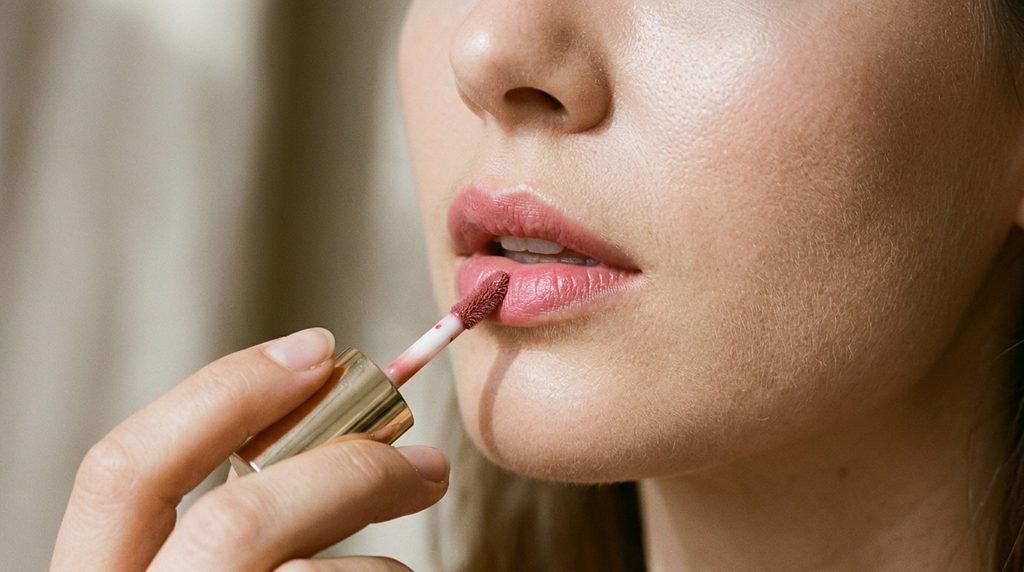
Applying lip stain correctly can help create a more even and polished appearance.
The best technique depends on the product, but the following method works as a useful starting point.
Step 1: Start With Clean Lips
Remove any remaining lipstick, gloss, or excess balm.
Make sure your lips are clean and reasonably dry before applying the stain.
Step 2: Apply a Small Amount
Begin with a small quantity of product.
For liquid stains, place a few small dots on the lips rather than covering the entire surface immediately.
This gives you greater control over the color.
Step 3: Blend Quickly
Use the applicator, a clean fingertip, or a suitable lip brush to distribute the color.
Work gently and blend before the formula dries.
Avoid rubbing the lips together aggressively if the product is beginning to set.
Step 4: Build the Color Gradually
If you want stronger pigmentation, allow the first layer to settle according to the manufacturer’s instructions.
Then apply another thin layer if needed.
Building color gradually can help you avoid applying too much product at once.
Step 5: Define the Lip Shape
If you want a more polished appearance, use a compatible lip liner.
Choose a shade close to the lip stain or slightly deeper for additional definition.
Blend the liner gently so that it does not create an obvious border.
Step 6: Add Gloss if Desired
For a glossy appearance, apply a suitable clear or lightly tinted lip gloss over the stain.
This can add shine and make the overall look feel fresher.
Keep in mind that adding gloss may change the finish and transfer behavior of the product.
How to Create Different Lip Stain Makeup Looks
One of the most appealing things about lip stains is their versatility.
The same product can create several different looks depending on how you apply it.
1. Natural Everyday Lip Look
A natural lip stain is ideal for casual outings, office makeup, and minimal beauty routines.
Choose a soft rose, pink nude, or peach shade.
Apply a thin layer and blend it across the lips.
Keep the rest of your makeup simple with light foundation or skin tint, softly groomed eyebrows, mascara, and a natural blush.
The result is fresh, polished, and easy to wear.
2. Korean Gradient Lip Look
The gradient lip technique is inspired by popular Korean beauty styling.
It creates a softer appearance by concentrating more color toward the center of the lips.
To achieve this look:
- Apply a small amount of lip stain to the inner center of your lips.
- Gently blend the edges outward.
- Keep the outer lip area softer.
- Add a little gloss if you prefer a luminous finish.
Rose, coral, cherry, and berry shades can all work for this technique.
3. Soft Matte Lip Look
A soft matte lip stain can create a refined appearance without the heavy look of some full-coverage liquid lipsticks.
Choose muted rose, brown nude, terracotta, or berry.
Apply a thin, even layer and allow it to settle.
Pair it with softly defined eyes and neutral makeup.
This look works particularly well with professional outfits and understated evening styling.
4. Glossy Lip Stain Look
If you enjoy shiny lips, combine a compatible lip stain with a lightweight gloss.
Start with a rosy or berry tint.
After it settles, apply a thin layer of gloss.
This creates a dimensional appearance that works beautifully with fresh, luminous makeup.
5. Bold Evening Lip Look
For an evening occasion, choose a deeper shade such as wine, burgundy, cherry, or plum.
Apply the color carefully and build pigmentation gradually.
A defined lip line can help create a more sophisticated result.
Keep the eye makeup balanced if you want the lips to remain the main feature.
How to Make Lip Stain Last Longer
Although lip stains are often marketed for their staying power, actual performance differs between products.
Your eating habits, drinking, lip preparation, formula, and application technique can all influence how long the color remains visible.
These practical tips may help improve the overall result.
1. Begin With a Smooth Lip Surface
Dry flakes can cause uneven application.
Prepare your lips gently and avoid applying stain over visibly peeling skin.
2. Use Thin Layers
Applying a thick layer does not necessarily improve longevity.
A thin, even application may produce a more natural finish and reduce the likelihood of uneven color buildup.
3. Allow the Formula to Set
Follow the product instructions and give the stain enough time to settle.
Avoid immediately applying several different lip products over it unless the manufacturer recommends layering.
4. Choose a Formula That Suits Your Needs
If you want a low-maintenance look, consider a stain specifically formulated for longer wear.
Read product descriptions carefully and look for independent reviews that discuss comfort, fading, and transfer.
5. Carry a Lip Balm
A lip stain may leave your lips feeling dry, depending on its formula.
Keep a comfortable lip balm available throughout the day.
You can reapply it when needed, although some balms may soften or alter the stain’s finish.
6. Be Realistic About Eating and Drinking
No lip stain is guaranteed to remain perfectly unchanged after meals.
Oily foods, repeated wiping, and frequent drinking can affect the color.
A quick touch-up may still be necessary.
Lip Stain vs. Lipstick vs. Lip Gloss: What Is the Difference?
Although these products are all used to add color or shine, they provide different finishes and experiences.
Lip Stain
Lip stain is designed to leave a tint on the lips.
It is useful for people who enjoy lighter-looking color and a natural makeup style.
Traditional Lipstick
Lipstick generally provides a more visible layer of pigment.
It is available in many finishes, including matte, satin, cream, and glossy.
It can be a better choice when you want fuller coverage or a more defined color result.
Lip Gloss
Lip gloss focuses primarily on shine.
Some glosses are transparent, while others contain noticeable pigment.
They are useful for creating a luminous appearance and can be worn alone or over other lip products.
Which One Should You Choose?
Choose a lip stain if you enjoy lightweight color.
Choose lipstick if you prefer stronger coverage and a more traditional lip makeup appearance.
Choose gloss if shine is your priority.
You can also combine these products to create different finishes.
Common Lip Stain Mistakes to Avoid
Even a beautiful lip stain can look uneven if the application is rushed.
Avoid these common mistakes.
Applying Too Much Product
A thick layer may create an overly intense appearance.
Start with a small amount and build color gradually.
Applying Over Dry, Flaky Lips
Some stains emphasize dry areas.
Prepare your lips gently before application.
Choosing a Shade Without Testing It
Product packaging and online swatches do not always show how a shade will appear on your natural lip color.
Check real-life swatches whenever possible.
Not Blending Quickly Enough
Some liquid formulas set rapidly.
Blend them immediately after application to prevent visible edges.
Expecting Every Formula to Be Transfer-Proof
A product described as long-wearing may still transfer or fade.
Check the specific product instructions and reviews instead of assuming every stain performs identically.
Using Too Many Lip Products Together
Layering several different formulas may affect the final texture and appearance.
Experiment gradually so you can understand how each product behaves.
How to Choose a Lip Stain for Dry Lips
If your lips are naturally dry, formula selection deserves extra attention.
Some stains can feel comfortable and lightweight, while others may emphasize dryness.
Consider the following features when shopping:
Look for Comfortable Textures
Gel and creamy formulas may feel more comfortable than certain fast-drying liquid stains.
However, the ingredients and complete formula matter more than the product category alone.
Avoid Uncomfortable Formulas
If a product consistently causes tightness, burning, or irritation, stop using it.
Do not continue using a lip stain simply because its color is attractive.
Use Lip Balm as Part of Your Routine
Regular lip care can help keep your lips comfortable.
Apply a suitable balm when needed and follow the instructions for layering it with your chosen stain.
Consider Fragrance and Flavoring
People who are sensitive to fragrance or flavoring ingredients may prefer simpler formulas.
Always review the ingredient list if you have known sensitivities.
How to Select Lip Stain Makeup for Different Occasions
A useful lip stain collection does not need to contain dozens of products.
A few carefully selected colors can cover many different occasions.
For Everyday Wear
Choose pink nude, soft rose, peach, or muted coral.
These colors can complement simple makeup and casual outfits.
For Work and Professional Settings
Consider rosewood, soft mauve, or warm brown-pink.
These shades provide definition without necessarily looking too dramatic.
For Weddings and Special Events
Berry, rose, cherry, and classic red can create a more noticeable finish.
Choose a formula that feels comfortable enough to wear throughout the event.
For Evening Makeup
Deep plum, wine, burgundy, and rich berry shades can create an elegant appearance.
Pair them with softly defined eyes or a more dramatic eye look, depending on your personal style.
Popular Lip Stain Trends Worth Exploring
Lip stain makeup continues to offer plenty of opportunities for creative styling.
Rather than following every new trend, choose the finishes and shades that work with your personal preferences.
Soft Rose Lips
Rose shades are versatile and can create a natural-looking finish.
They work particularly well with neutral makeup and understated fashion.
Cherry-Tinted Lips
Cherry tones can add brightness and color without requiring a traditional full-coverage red lipstick.
A sheer cherry stain is a useful option for people who prefer a softer red look.
Brown and Terracotta Tints
Brown-based lip colors create a warm, polished appearance.
They pair well with bronze eyeshadow, warm blush, and neutral clothing.
Berry Gradient Lips
A berry gradient offers a more dramatic version of the natural Korean lip effect.
Concentrate the pigment in the center and soften the edges for a blended finish.
Glossy Tinted Lips
Combining a lip stain with gloss creates a luminous look.
This is a practical option if you enjoy both color and shine.
How to Build a Small Lip Stain Collection
You do not need to purchase every shade available.
A small collection can provide plenty of variety.
Consider these five basic colors:
- Everyday rose: A versatile color for casual and professional makeup.
- Peach nude: A soft option for warm, natural-looking makeup.
- Berry: Useful for adding deeper color.
- Cherry red: A brighter option for special occasions.
- Brown or terracotta: Ideal for warm-toned makeup looks.
Before buying a new product, consider the lip colors you already own.
You may discover that your existing lipstick, tint, or gloss can create a similar result.
How to Remove Lip Stain Makeup
Because lip stains are designed to leave visible color, ordinary water may not remove every formula completely.
A gentle removal routine is usually the best approach.
Step 1: Use a Suitable Makeup Remover
Choose a makeup remover or cleansing product appropriate for your lips and follow its instructions.
An oil-based remover may help dissolve some long-wearing formulas.
Step 2: Avoid Aggressive Rubbing
Use a soft cotton pad or clean cloth.
Gently press and wipe rather than scrubbing repeatedly.
Step 3: Clean Any Remaining Color
If a tint remains, repeat the removal process gently instead of using harsh products.
Step 4: Apply Lip Balm
Finish with a comfortable lip balm to support hydration.
Avoid using strong exfoliating products on irritated lips.
Is Lip Stain Makeup Worth Trying?
Lip stain makeup can be a useful addition to a beauty routine if you enjoy lightweight color, versatile finishes, and relatively simple application.
It is especially appealing to people who prefer natural-looking makeup and want an alternative to traditional lipstick.
However, it is not automatically the best choice for everyone.
If you prefer full coverage, very creamy textures, or highly reflective shine, traditional lipstick or gloss may better suit your needs.
The best approach is to choose a formula according to your desired finish, lip condition, color preferences, and daily routine.
If possible, test a shade before investing in a full-size product.
Frequently Asked Questions About Lip Stain Makeup
What is the difference between lip tint and lip stain?
The terms are frequently used interchangeably. However, some brands use lip tint to describe lighter, softer color, while lip stain often refers to formulas designed to leave a more noticeable tint after application.
Always check the individual product description.
Does lip stain last longer than lipstick?
Some lip stains may leave color behind after their surface formula fades, but performance varies. Certain long-wearing lipsticks can also provide excellent staying power.
There is no universal winner.
Can I use lip stain every day?
Yes, provided the formula is comfortable for your lips and you remove it gently. If it causes persistent irritation or dryness, discontinue use.
Is lip stain suitable for mature lips?
Yes. A comfortable, well-blended lip stain can work at different ages.
Choose a formula that does not excessively emphasize dryness or lip texture.
Can I apply lip stain without lip liner?
Absolutely. Many lip stains can be worn alone.
A lip liner is optional and mainly helps create a more defined shape.
Can I put lip gloss over lip stain?
Yes, if the products are compatible. Allow the stain to settle first, then apply a thin layer of gloss.
The gloss may change the stain’s finish and transfer behavior.
Which lip stain shade is best for everyday makeup?
Soft rose, pink nude, peach, and muted berry are popular everyday choices. Select a shade that complements your natural lip color and personal style.
Why does my lip stain look patchy?
Possible reasons include dry lips, uneven application, a rapidly drying formula, or applying too much product. Prepare your lips gently and use small amounts of product.
Can lip stain be used as blush?
Some products are marketed for use on both lips and cheeks, but not every lip stain is suitable for facial skin. Only use a product in multiple areas when the manufacturer explicitly states that it is intended for that use.
How do I make lip stain look natural?
Apply a small amount to the center of your lips and blend the color outward. A thin layer of soft rose or peach tint can create a natural-looking finish.
Final Thoughts
Lip stain makeup is a versatile option for anyone who enjoys effortless-looking lip color. From soft pink tints and warm nude shades to bold cherry and deep berry finishes, there are plenty of ways to make this product work with your personal makeup style.
The secret to a beautiful result is choosing a formula that feels comfortable, preparing your lips properly, and applying the color gradually.
You do not need an extensive collection to create attractive lip looks. A few versatile shades can take you from everyday makeup to professional styling and special occasions.
Explore different textures, experiment with application techniques, and choose colors that make you feel confident.
Ultimately, the best lip stain is not necessarily the most popular or expensive one. It is the formula and shade that suit your lips, your preferences, and the way you enjoy wearing makeup.